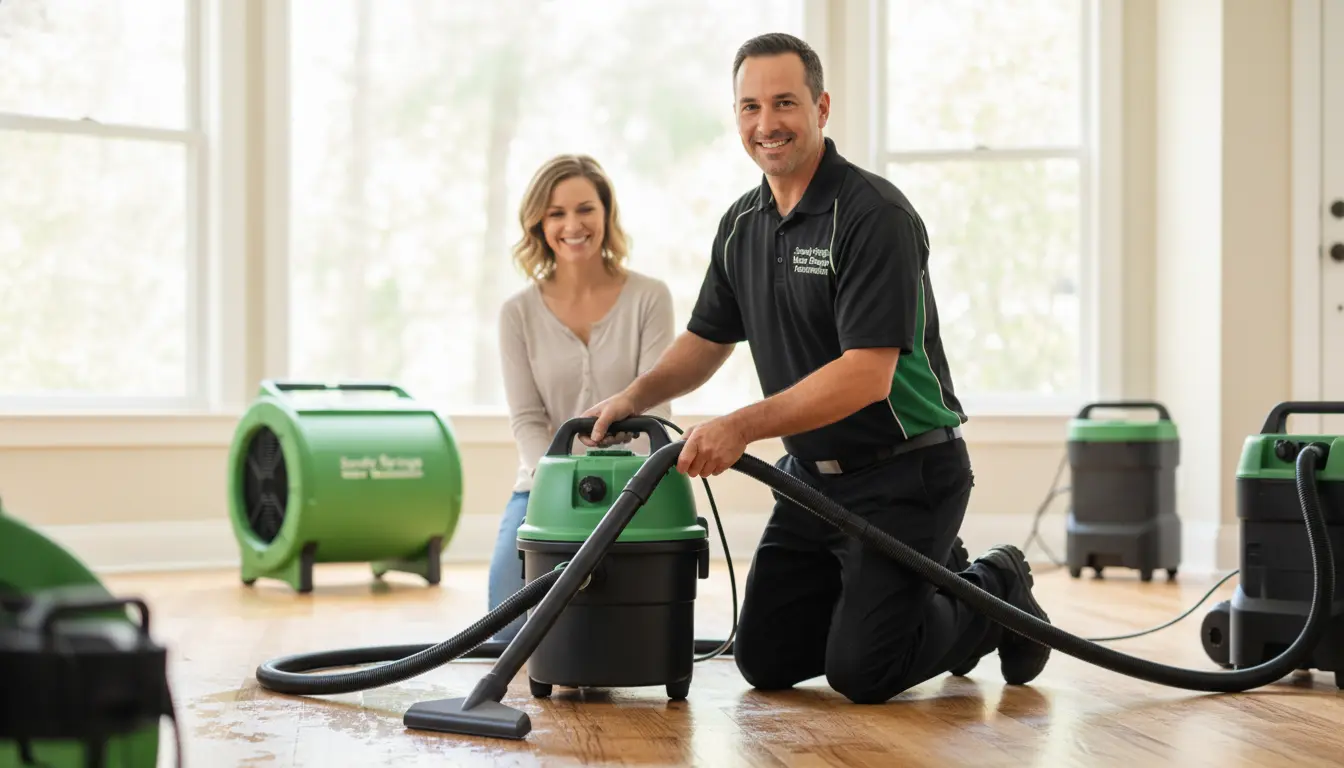
It’s a sweltering summer evening in Sandy Springs, Georgia, and the storms that rolled in earlier that day have left a trail of destruction in their wake. For homeowners like the Smiths, who just discovered water pouring into their living room from a burst pipe, every minute counts. The clock is ticking, and the risk of secondary damage, like mold growth and structural warping, is imminent. This is a scenario that plays out all too often in Sandy Springs, where the humid climate and ageing infrastructure can make water damage a costly and devastating reality.
The importance of immediate professional water damage restoration cannot be overstated. In Sandy Springs, where the summer months bring high humidity and intense storms, the need for swift and effective restoration services is critical. Sandy Springs Water Damage Restoration, with their team of certified experts and state-of-the-art equipment, is the premier service provider in the area, equipped to handle even the most complex water damage scenarios.
As the Smiths and countless other homeowners in Sandy Springs can attest, the consequences of untreated water damage can be severe. From the growth of toxic mold to the delamination of structural elements, the risks associated with delayed restoration are very real. It’s why choosing the right water damage restoration company is crucial. To learn more about what to do after water damage, visit our step-by-step guide for a comprehensive overview of the process.
Technical Process of Water Damage Restoration
The process of water damage restoration is multifaceted and technically demanding. It begins with a thorough assessment of the damage, utilizing tools like thermal imaging cameras to identify hidden moisture pockets. Following this, standing water is extracted using truck-mounted units, and antimicrobial agents are applied to prevent the growth of mold and bacteria. The drying process, facilitated by LGR dehumidifiers and HEPA air scrubbers, is meticulously monitored to ensure that the structure is returned to a safe and dry state.
The choice of equipment and the setup of the drying chamber are dictated by local environmental conditions, including ambient humidity and temperature. In Sandy Springs, where the climate is characterized by high humidity, especially during the summer months, the use of LGR dehumidifiers is particularly effective in controlling vapor pressure and relative humidity. For more information on the common causes of water damage in Sandy Springs residences, visit our 7 Common Causes of Water Damage page.
Data Comparison
When considering water damage restoration, it’s essential to understand the difference between professional extraction and DIY methods. The following table highlights the key differences:
| Feature/Metric | Professional Water Extraction | DIY Wet/Dry Vacuums |
|---|---|---|
| Water Removal Rate | High-volume extraction | Low-volume extraction |
| Secondary Damage Risk | Minimized with proper drying | Higher risk without professional drying |
| Structural Drying Time | Accelerated with specialized equipment | Prolonged without proper equipment |
Source: IICRC S500 Reference Guide
Expert Insights
For homeowners facing water damage, there are several key considerations to keep in mind. Firstly, it’s crucial to safely turn off utilities to prevent further damage or electrical hazards. Secondly, identifying hidden moisture pockets behind drywall or under flooring is critical to preventing mold growth. Lastly, delaying extraction or relying solely on DIY methods can lead to severe secondary damage, including structural warping and delamination.
Common mistakes include using ceiling fans to dry carpets, which can spread moisture and contaminants, and delaying professional extraction, which can lead to mold growth and require more extensive and costly repairs. To avoid sewer backups, which can be a significant source of water damage, visit our Top Tips to Avoid Sewer Backups page for practical advice.
Pricing Considerations
The cost of water damage restoration can vary widely depending on several factors, including the category of water (clean, grey, or black), the extent of the damage, and the necessary structural repairs. Pricing structures may include cost per square foot for extraction, daily rates for drying equipment rental, or fixed rates for initial inspections. Factors that influence cost include the level of contamination, the need for specialized drying equipment, and the extent of structural tear-out required.
- Cost per square foot for extraction
- Daily rates for drying equipment rental
- Fixed rates for initial inspections
Safety and Standards
Safety and adherence to industry standards are paramount in water damage restoration. Technicians should be certified by the IICRC (Institute of Inspection, Cleaning and Restoration Certification) and adhere to strict safety protocols, including the use of PPE (Personal Protective Equipment). The use of EPA-registered antimicrobials is also critical in preventing the growth of mold and bacteria, especially in households with vulnerable individuals.
For insights into preventing mold growth after water leaks, especially in humid climates like Georgia, visit our Preventing Mold Growth page. Understanding the importance of proper water extraction and flood damage cleanup is also vital in minimizing secondary damage.
FAQs
What are the first steps to take after discovering water damage in my home?
The first steps include ensuring your safety, turning off utilities if possible, and contacting a professional water damage restoration service. It’s also beneficial to document the damage for insurance purposes. For a step-by-step guide on what to do after water damage, visit our What To Do After Water Damage page.
How long does the water damage restoration process typically take?
The duration of the restoration process can vary significantly depending on the extent of the damage, the category of water, and the environmental conditions. Generally, it can range from a few days to several weeks. For more information on the process and timelines, consider consulting our Ultimate Guide to Water Damage Restoration.
What is the difference between clean water, grey water, and black water?
These categories refer to the level of contamination in the water. Clean water is from a sanitary source, grey water is contaminated but not with sewage, and black water contains sewage or other hazardous materials. Understanding the category of water is crucial for determining the appropriate restoration and safety protocols. For scenarios involving appliance water damage or carpet water damage repair, specialized approaches may be necessary.
Can I perform water damage restoration myself?
While it might be tempting to attempt DIY water damage restoration, it’s generally not recommended. Professional restoration services have the necessary equipment, expertise, and experience to safely and effectively restore your property, minimizing the risk of secondary damage and ensuring compliance with health and safety standards. To understand the benefits of professional water cleanup over DIY methods, visit our DIY vs. Professional Water Cleanup page.
Professional Restoration in Sandy Springs
In conclusion, water damage restoration in Sandy Springs demands a prompt, professional, and technically sound approach. The risks associated with untreated water damage are significant, ranging from mold growth and structural deterioration to health hazards. Sandy Springs Water Damage Restoration stands as the premier choice for homeowners and businesses alike, offering a comprehensive, authoritative, and reliable service that adheres to the highest standards of the industry.
By choosing Sandy Springs Water Damage Restoration, property owners can ensure that their homes or businesses are returned to a safe, dry, and structurally sound condition, minimizing the risks and costs associated with water damage. Whether you’re dealing with basement flooding or require ceiling damage repair, our team is equipped to handle your unique situation with expertise and care.