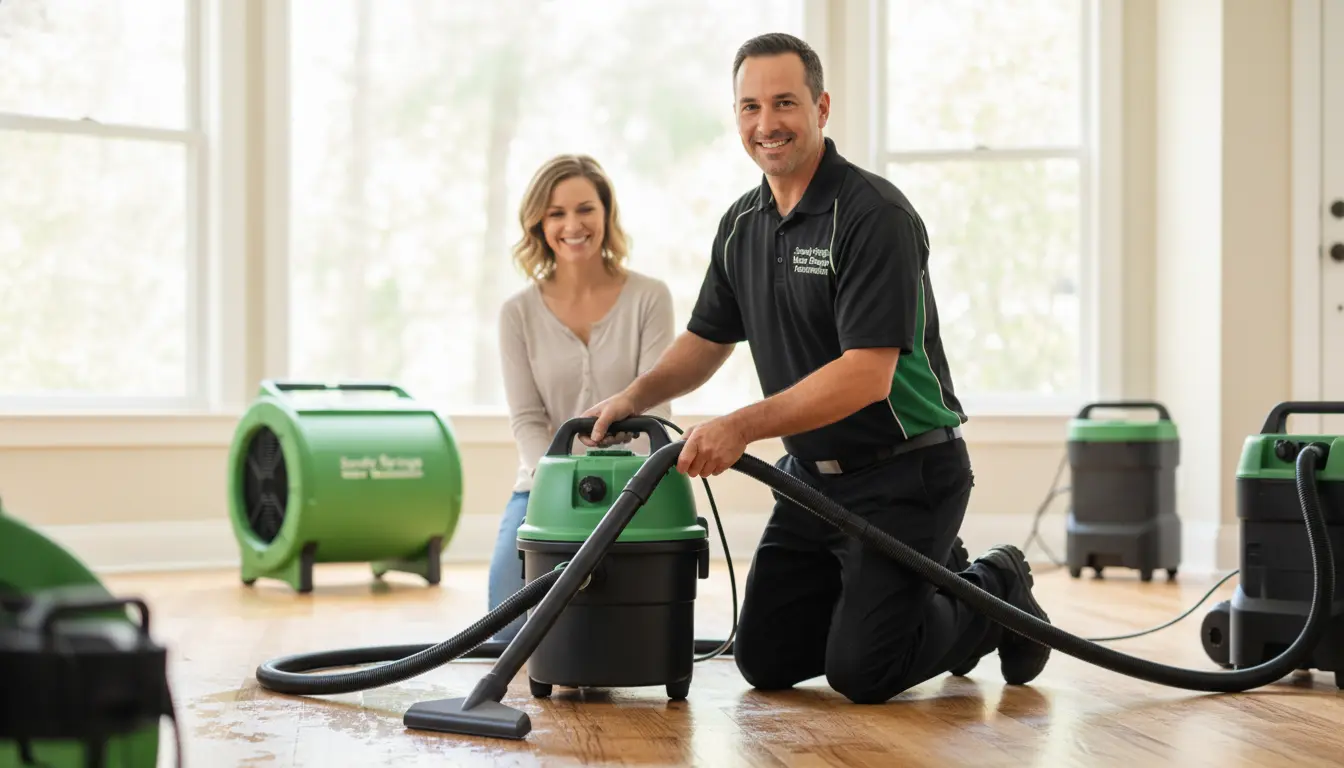
Imagine coming home after a stormy day in Sandy Springs, only to find your basement submerged in inches of water. The panic sets in as you realize the potential damage to your valuables, structure, and even health. Basement flooding is a common nightmare for homeowners in this vibrant Atlanta suburb, where sudden downpours and aging infrastructure can turn a cozy space into a watery disaster. But fear not—Sandy Springs Water Damage Restoration is here to guide you through the causes and provide proven restoration solutions to get your home back to normal.
In this comprehensive guide, we’ll explore why basements flood in Sandy Springs, how to spot early warning signs, and the step-by-step restoration process. Whether you’re dealing with a recent flood or want to prevent future ones, our expert insights will empower you. As local pros serving the Sandy Springs community, we’ve helped countless residents recover swiftly and safely.
Understanding the Causes of Basement Flooding in Sandy Springs
Sandy Springs’ location in the rolling hills of northern Fulton County makes it prone to unique flooding risks. Heavy rainfall from thunderstorms, combined with the area’s clay-heavy soil, can overwhelm drainage systems. Let’s break down the primary culprits behind basement water woes.
1. Heavy Rainfall and Poor Drainage
Sandy Springs experiences frequent summer storms, with the Chattahoochee River nearby exacerbating runoff issues. When rain falls harder than your home’s gutters and downspouts can handle, water seeps into the foundation. In neighborhoods like those near the Perimeter, where urban development has altered natural drainage, this problem intensifies.
Practical Tip: Inspect your gutters twice a year, especially before the rainy season. Ensure they’re clean and extend downspouts at least 5-10 feet from your foundation to redirect water away. If you’re in a flood-prone spot, consider installing French drains—a shallow trench filled with gravel and pipe to channel water effectively.
2. Foundation Cracks and Structural Issues
Older homes in Sandy Springs, built during the mid-20th century boom, often develop cracks in concrete foundations due to soil shifting or tree roots. Water exploits these vulnerabilities, leading to hydrostatic pressure that pushes moisture through walls.
Actionable Advice: Perform a visual inspection after heavy rains. Look for damp spots, efflorescence (white, powdery deposits), or bulging walls. For minor cracks, use hydraulic cement as a temporary seal, but consult professionals for anything wider than 1/8 inch to avoid costly repairs later.
3. Plumbing Failures and Sewer Backups
A burst pipe or clogged sewer line can flood your basement in minutes. In Sandy Springs, where many homes connect to aging municipal sewers, backups are a real threat during peak usage or blockages from tree roots.
Local Reference: Residents in areas like Dunwoody, just north of Sandy Springs, often face similar issues due to shared infrastructure. If sewage is involved, it’s not just water damage—it’s a biohazard requiring specialized cleanup.
For immediate help with sewage backup cleanup, our team at Sandy Springs Water Damage Restoration responds 24/7 to contain and remediate.
4. Sump Pump Failures or High Water Tables
Many Sandy Springs basements rely on sump pumps to manage groundwater. But if the pump fails during a power outage or overloads from a rising water table—common after prolonged rain—the basement becomes a pool.
Pro Tip: Test your sump pump monthly by pouring water into the basin. Install a battery backup system for outages, and consider a water alarm that alerts your phone if levels rise unexpectedly.
The Immediate Steps to Take After a Basement Flood
Time is critical when water invades your basement. Acting fast minimizes damage and mold growth. Here’s what to do right away:
- Safety First: Turn off electricity to the affected area to avoid shocks. If the water is deep, evacuate and call professionals.
- Stop the Source: If it’s a pipe burst, shut off the main water valve. For external flooding, sandbags can help in a pinch.
- Document Everything: Take photos and videos for insurance claims. Note the time and extent of the flood.
- Call Experts: Don’t DIY a major flood. Sandy Springs Water Damage Restoration offers 24/7 emergency response to extract water and assess damage quickly.
In nearby communities like Brookhaven, we’ve seen how prompt action prevents thousands in repairs. Our certified technicians arrive equipped to handle any scenario.
Professional Restoration Solutions for Your Sandy Springs Basement
Restoration isn’t just drying out water—it’s a science to restore your home’s integrity. At Sandy Springs Water Damage Restoration, we follow industry standards from the IICRC (Institute of Inspection, Cleaning and Restoration Certification) to ensure thorough recovery.
Water Extraction and Drying Process
We start with powerful pumps and truck-mounted extractors to remove standing water. Then, industrial fans and dehumidifiers kick in for drying.
Our Approach: For hidden moisture in walls and floors, we use moisture meters and thermal imaging. Learn more about our dehumidification services that prevent warping and rot.
Local Insight: In Sandy Springs’ humid climate, incomplete drying can lead to mold in as little as 48 hours. We monitor progress daily to guarantee dryness.
Structural Repairs and Content Protection
Once dry, we tackle repairs. This includes patching walls, replacing subfloors, and restoring drywall.
Actionable Advice: During restoration, protect your belongings with content packing and storage. We carefully pack, clean, and store items off-site, so you can focus on recovery.
For wall-specific issues, check out our wall drying and repair expertise, tailored for Sandy Springs homes.
If your property is in Chamblee, a short drive away, we extend the same high-quality service.
Mold Remediation and Prevention
Water damage often breeds mold, a health hazard causing respiratory issues. We inspect for growth and use EPA-approved treatments to remediate.
Tip: Improve ventilation post-restoration with exhaust fans or a dehumidifier to keep humidity below 50%. In Sandy Springs’ variable weather, this is key to long-term prevention.
Preventing Future Basement Floods in Sandy Springs
Prevention is your best defense. Beyond basic maintenance, consider these upgrades:
- Install a Backwater Valve: Prevents sewer backups during heavy rains.
- Grade Your Yard: Ensure soil slopes away from your foundation by at least 6 inches over 10 feet.
- Waterproofing: Apply sealants to interior walls or excavate for exterior membranes.
Local Reference: Homeowners in Smyrna, with similar topography to Sandy Springs, swear by these measures after experiencing floods.
Regular inspections by pros like us can catch issues early. Schedule a free assessment with Sandy Springs Water Damage Restoration to safeguard your investment.
FAQ: Common Questions About Basement Flooding in Sandy Springs
1. How quickly should I act after a basement flood?
Immediately! Water damage spreads fast. Call for 24/7 emergency response within the first hour to limit harm.
2. Does homeowners insurance cover basement flooding?
It depends—standard policies cover sudden events like pipe bursts but not floods from heavy rain. Review your policy or contact us for guidance on claims.
3. How long does basement restoration take?
Typically 3-7 days, depending on damage extent. Extraction is quick, but drying and repairs vary. Our team provides timelines upfront.
4. Can I prevent basement flooding entirely?
Not always, but you can reduce risks significantly with proper drainage, sump pumps, and maintenance. We’re happy to assess your Sandy Springs home.
5. What if mold develops after the flood?
Don’t ignore it. Professional remediation is essential. Our sewage backup cleanup services include mold prevention for contaminated water.
Conclusion: Restore Your Peace of Mind Today
Basement flooding in Sandy Springs doesn’t have to derail your life. By understanding causes like heavy rains and plumbing failures, taking swift action, and partnering with experts, you can restore your home efficiently. Sandy Springs Water Damage Restoration has been the trusted choice for local families, delivering compassionate, effective solutions tailored to our community’s needs.
Don’t wait for the next storm—protect your basement now. Contact Sandy Springs Water Damage Restoration for a free consultation or emergency service. Call us at (470) 288-3957 or visit our website to learn more. Your dry, safe home is just a call away!