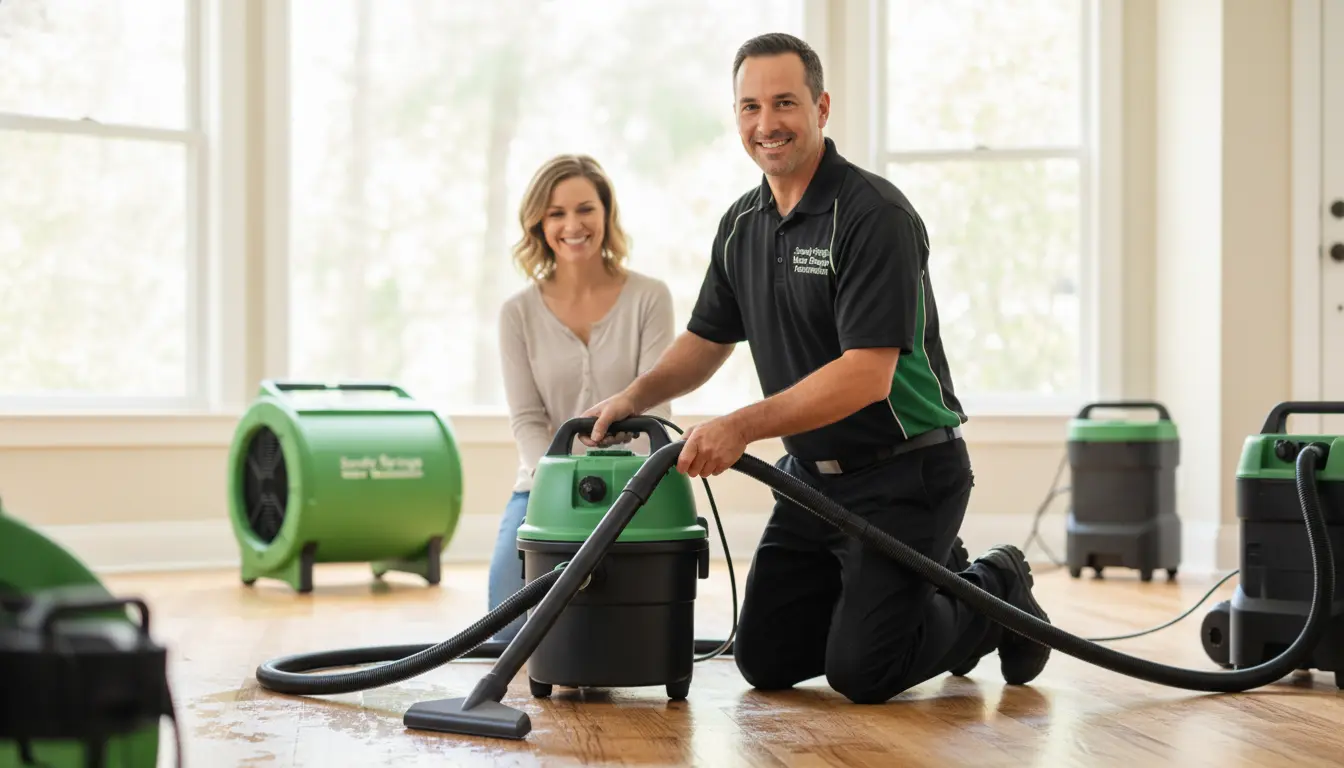
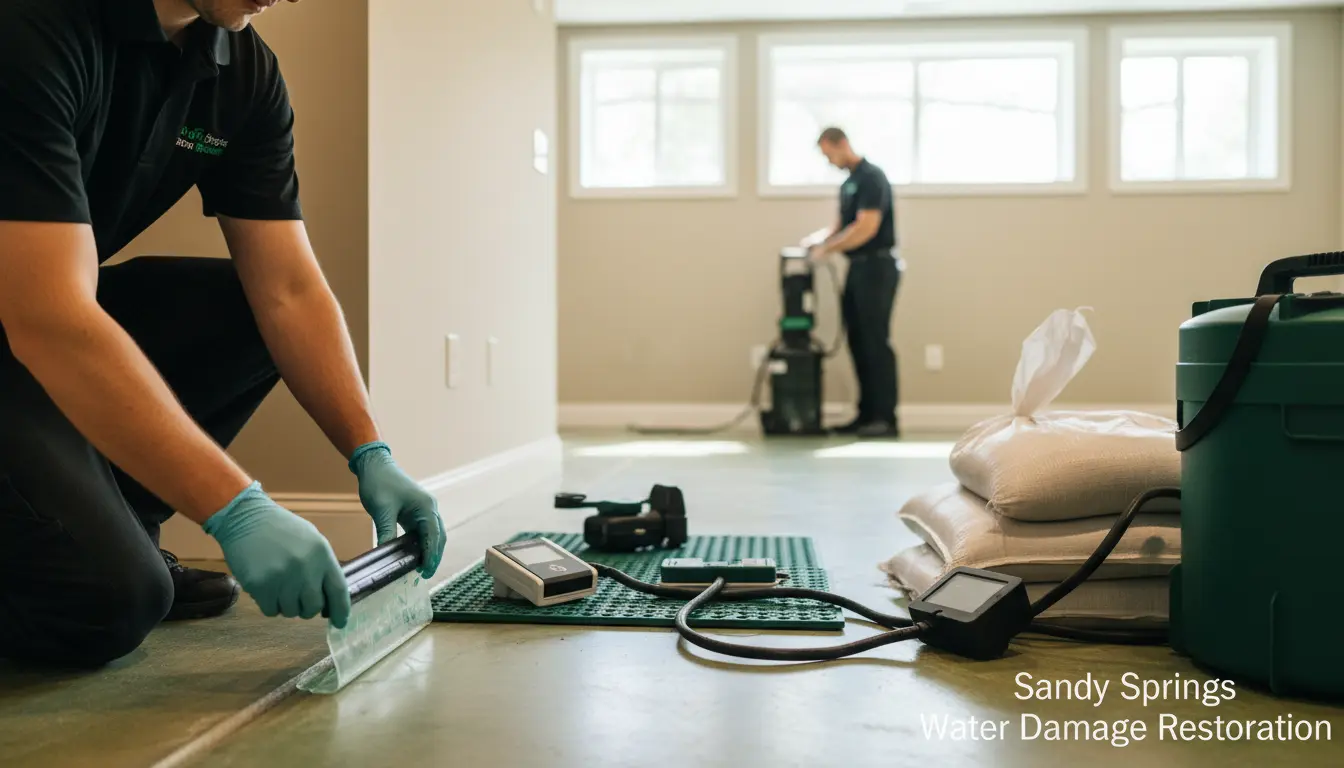
Living in Georgia means enjoying beautiful landscapes, mild winters, and vibrant communities like Sandy Springs. But it also comes with the risk of heavy rains, hurricanes, and flash floods that can wreak havoc on your property. If you’re a homeowner in Sandy Springs or nearby areas, you’ve likely heard stories of basements turning into swimming pools or yards becoming rivers. Flood damage isn’t just inconvenient—it’s costly and stressful. At Sandy Springs Water Damage Restoration, we’ve seen firsthand how proactive steps can save properties from disaster. In this guide, we’ll walk you through practical, fast-acting strategies to prevent flood damage, tailored to Georgia’s unique climate and terrain. Whether you’re prepping for the next storm season or just want peace of mind, these tips will help you fortify your home.
Understanding Flood Risks in Georgia
Georgia’s geography makes it prone to flooding, especially in the northern regions like Sandy Springs, where the Chattahoochee River and its tributaries play a big role. Heavy rainfall from thunderstorms or tropical systems can overwhelm drainage systems, leading to rapid water accumulation. According to local data, Sandy Springs experiences significant flooding during the wet season from June to September, with urban development exacerbating runoff issues.
Why Sandy Springs is Particularly Vulnerable
Nestled in the heart of Fulton County, Sandy Springs combines suburban charm with proximity to Atlanta’s bustling infrastructure. However, this means shared stormwater systems that can get overwhelmed. Low-lying areas near Abernathy Road or the Perimeter often see the worst of it. If your property is in these zones, understanding local flood maps from the FEMA or Fulton County resources is crucial. We’ve helped countless residents here recover from basement flood restoration after unexpected deluges—don’t let it happen to you.
Essential Preventive Measures for Your Property
Prevention starts with assessment and action. Here’s how to safeguard your Georgia home quickly and effectively.
1. Elevate and Protect Vulnerable Areas
One of the fastest ways to prevent flood damage is to raise items off the ground. In Sandy Springs homes, basements and crawl spaces are common flood hotspots. Install sump pumps with battery backups—these can activate even during power outages, common in Georgia storms. For a quick fix, elevate appliances like your water heater, furnace, and electrical panels on concrete blocks or platforms at least 12 inches high. This simple step can save thousands in structural drying costs later.
If you’re in a flood-prone neighborhood near the Chattahoochee, consider flood vents in your foundation walls. These allow water to flow through rather than pool up, reducing pressure on your structure.
2. Improve Drainage Around Your Home
Poor drainage is a silent killer for Georgia properties. Start by clearing gutters and downspouts twice a year—clogged ones direct water straight to your foundation. Extend downspout extensions at least 5-10 feet away from the house to divert runoff. For Sandy Springs residents dealing with clay-heavy soil that doesn’t absorb water well, French drains or swales can channel water away efficiently.
Pro tip: Grade your yard so it slopes away from the house at a 1-inch drop per foot for the first 6 feet. If DIY isn’t your forte, consult local experts who understand Georgia’s red clay terrain.
3. Seal and Waterproof Your Foundation
Water seeps in through cracks—literally. Inspect your foundation for fissures, especially after heavy rains, and seal them with hydraulic cement or polyurethane injections. Apply waterproof sealants to interior basement walls to create a barrier. In areas like Roswell, just a short drive from Sandy Springs, we’ve seen how these measures prevent minor leaks from becoming major flood damage cleanup jobs.
For crawl spaces, install vapor barriers and ensure proper ventilation to keep moisture at bay. This is especially vital in humid Georgia summers.
Advanced Strategies for Long-Term Protection
While quick fixes are great, think ahead for robust defense.
Install Flood Barriers and Sandbags
For immediate protection during storm warnings, sandbags are a classic. Stack them around doors, garages, and low points—aim for two layers high. Modern alternatives like portable flood barriers or water-activated gates deploy in minutes and are reusable. In Sandy Springs, where flash floods can hit with little notice, keeping these on hand near Peachtree Corners communities can be a lifesaver.
Invest in Smart Technology
Georgia’s tech-savvy homeowners love smart home integrations. Install water leak detectors connected to your phone—they alert you to issues before they escalate. Smart sump pumps with Wi-Fi monitoring ensure they’re working optimally. Pair this with a whole-home generator to keep systems running during outages.
Landscape Wisely to Combat Flooding
Plant native Georgia vegetation like river birch or switchgrass, which have deep roots that stabilize soil and absorb water. Avoid overwatering lawns, and use permeable pavers for driveways to let water percolate rather than run off. In urban Sandy Springs settings, rain gardens can beautifully manage excess stormwater while boosting curb appeal.
Preparing for Emergencies: Your Action Plan
Don’t wait for the rain to start. Create a flood emergency kit with tarps, plywood, plastic sheeting, and duct tape for quick barricades. Document your valuables with photos for insurance purposes. Know your evacuation routes—Sandy Springs’ proximity to I-285 means traffic can snarl during storms.
If flooding does occur, act fast: Shut off utilities and call professionals immediately. Our team at Sandy Springs Water Damage Restoration specializes in rapid response, including odor elimination to tackle musty aftermaths. For properties in nearby High Point, we offer the same swift service.
If you have irreplaceable items, consider content packing and storage services to safeguard them during threats.
FAQ: Common Questions About Flood Prevention in Georgia
What should I do if my Sandy Springs home is in a flood zone?
First, check FEMA flood maps to confirm. Elevate utilities, get flood insurance (standard homeowner’s doesn’t cover it), and install backflow preventers on sewer lines. Contact Sandy Springs Water Damage Restoration for a free assessment.
How often should I inspect my home for flood risks?
At least twice a year—spring and fall. After major storms, do a quick walk-around to spot issues early.
Are sump pumps effective in Georgia’s heavy rains?
Absolutely. They handle the intense downpours we see here. Choose one with a high-capacity battery backup for reliability.
What if I rent in Sandy Springs—can I still prevent damage?
Yes! Focus on what you control: Clear personal gutters, use door sweeps, and report issues to your landlord promptly.
How much does flood prevention cost compared to restoration?
Prevention is far cheaper—sump pumps run $200-500, while full restoration can hit $10,000+. It’s an investment in your peace of mind.
Conclusion: Take Control Today
Floods in Georgia don’t have to overwhelm your property. By implementing these fast prevention strategies—from elevating essentials to smart drainage—you can minimize risks and protect what matters most. In Sandy Springs and surrounding areas like Berkeley Lake, we’re committed to helping you stay dry and safe.
Don’t leave it to chance. Contact Sandy Springs Water Damage Restoration today for expert advice, inspections, or emergency services. Call us at [your phone number] or visit our site to schedule a consultation. Your home deserves the best defense—let’s build it together.