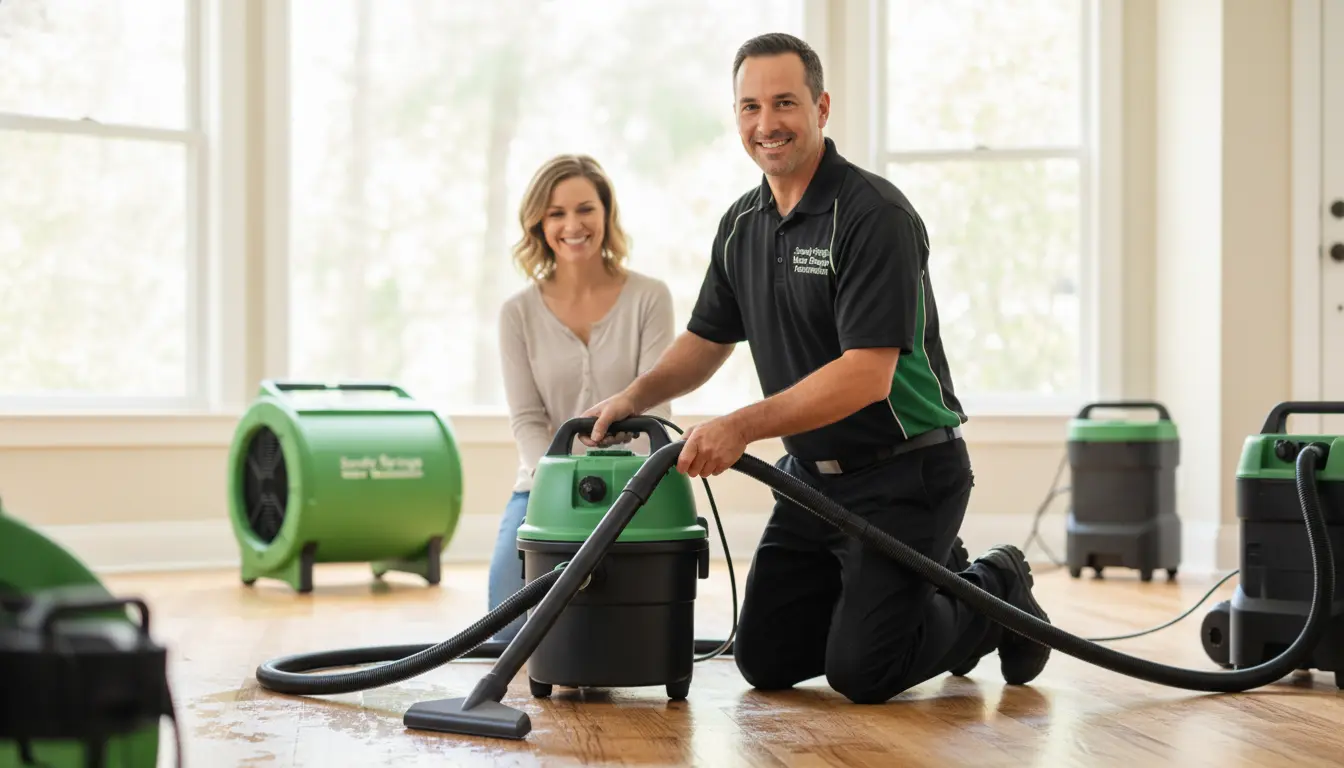
Living in the vibrant community of Sandy Springs, Georgia, comes with its perks—proximity to Atlanta’s bustling energy, beautiful green spaces like the Chattahoochee River National Recreation Area, and a suburban charm that’s hard to beat. But with the region’s humid subtropical climate, heavy rainfall, and occasional severe storms, water damage is a lurking threat for many homeowners. A single incident can lead to costly repairs, mold growth, and structural issues if not addressed promptly.
At Sandy Springs Water Damage Restoration, we’ve seen it all—from minor leaks to devastating floods. In this comprehensive guide, we’ll explore the seven most common causes of water damage in Sandy Springs homes. We’ll break down why they happen, how to spot early signs, and share practical tips to safeguard your property. Whether you’re in the upscale neighborhoods of Buckhead or the family-friendly areas near Johns Creek, understanding these risks can save you time, money, and stress. Let’s dive in and empower you to protect your home.
1. Leaky Pipes: The Silent Culprit in Older Homes
Sandy Springs’ housing stock includes many mid-century homes and newer constructions, but aging plumbing systems are a widespread issue. Leaky pipes often stem from corrosion, high water pressure, or freezing temperatures during rare winter snaps. In a city like Sandy Springs, where homes are built on clay-heavy soil that can shift, even minor ground movement can stress pipes and cause cracks.
Signs and Prevention Tips
Watch for damp spots on walls, unusually high water bills, or musty odors. To prevent this:
- Schedule annual inspections with a local plumber familiar with Sandy Springs’ water quality.
- Insulate pipes in attics and crawl spaces to guard against temperature fluctuations.
- Install water leak detectors in high-risk areas like basements.
If you suspect a leak, don’t delay—prompt action can prevent widespread damage. For instance, our team at Sandy Springs Water Damage Restoration often handles sewage backup cleanup that starts from undetected pipe issues.
2. Roof Leaks: Storm Seasons Strike Hard
Georgia’s stormy weather, including thunderstorms and hurricanes from the Gulf, hits Sandy Springs hard. Torrential rains can overwhelm roofs, especially if shingles are worn or flashing around chimneys is damaged. With the area’s tree-lined streets, falling branches during high winds add to the risk.
How to Inspect and Maintain Your Roof
After a big storm, climb up (safely!) or hire a professional to check for missing granules, cracked seals, or pooling water. Practical advice:
- Clean gutters twice a year to ensure proper drainage—clogged ones are a top cause of interior leaks.
- Trim overhanging branches near your roof to minimize wind damage.
- Consider impact-resistant shingles if you’re in a flood-prone zone near the Perimeter.
Roof leaks often lead to attic water damage, which can spread quickly. If you’re dealing with this, explore our dehumidification services to dry out affected areas efficiently.
3. Appliance Malfunctions: Everyday Hazards
From washing machines to water heaters, household appliances are convenience kings but potential water bombs. In Sandy Springs’ humid climate, seals and hoses degrade faster, leading to bursts. A faulty dishwasher hose, for example, can flood your kitchen in minutes.
Proactive Steps for Appliance Safety
Regular maintenance is key:
- Replace rubber hoses on washers and dishwashers every 5 years.
- Place appliances on elevated platforms in basements to avoid flood risks.
- Test your water heater’s pressure relief valve annually.
We’ve restored many kitchens after appliance floods, and early detection makes all the difference. For homes with hardwood floors, sudden water exposure can warp them irreversibly—learn about hardwood floor restoration to revive them.
4. Foundation and Basement Flooding: Soil and Drainage Woes
Sandy Springs sits on red clay soil that expands and contracts with moisture, leading to foundation cracks. Poor yard grading or clogged French drains exacerbate this, allowing rainwater to seep into basements during the frequent spring showers.
Landscaping Tips to Divert Water
Improve drainage around your home:
- Ensure downspouts extend at least 5 feet from the foundation.
- Regrade soil to slope away from your house—aim for a 6-inch drop over 10 feet.
- Install sump pumps in basements, especially if you’re near the Chattahoochee River.
Basement floods are common in nearby areas like Garden Hills, where similar soil conditions prevail. If flooding occurs, our content packing and storage services help protect your belongings during restoration.
5. Sewer Backups: A Messy Urban Challenge
With Sandy Springs’ growing population and aging sewer infrastructure, backups happen when municipal lines clog or tree roots invade pipes. Heavy rains can overwhelm systems, pushing sewage back into homes via toilets and drains.
Detecting and Mitigating Sewer Issues
Look for gurgling drains, slow flushing, or foul smells. Prevention includes:
- Avoid flushing non-biodegradable items like wipes.
- Have sewer lines inspected every 2-3 years with a camera.
- Install backflow preventers for added protection.
Sewer backups pose health risks, so call professionals immediately. Our expertise in odor elimination ensures your home smells fresh post-cleanup.
6. HVAC System Leaks: Hidden Moisture Sources
Central air conditioning units in Sandy Springs homes work overtime in summer humidity, leading to condensate drain clogs. When these overflow, they drip water onto ceilings and floors, fostering mold in tight spaces.
Maintenance Routine for HVAC
Keep things dry:
- Change air filters monthly during peak seasons.
- Clean condensate lines annually to prevent blockages.
- Ensure proper insulation around ducts to avoid condensation.
This issue is prevalent in upscale Tuxedo Park residences with complex HVAC setups. Quick drying with dehumidifiers prevents escalation.
7. External Flooding: Nature’s Unpredictable Force
Sandy Springs experiences flash floods from intense storms, especially along Sandy Springs Circle or near Big Creek. Poor urban drainage and impervious surfaces amplify runoff into homes.
Community and Home Flood Prep
Stay ahead:
- Elevate utilities and valuables in flood zones.
- Sandbag doors during alerts from local authorities.
- Join Sandy Springs’ flood warning programs for real-time updates.
For neighboring Alpharetta homes facing similar threats, our services extend there too—check our Alpharetta water damage restoration page for details.
FAQ: Common Questions About Water Damage in Sandy Springs
What Should I Do Immediately After Discovering Water Damage?
Turn off the water source if safe, evacuate if necessary, and call professionals like Sandy Springs Water Damage Restoration right away. Avoid walking through water to prevent electrical hazards.
How Long Does Water Damage Restoration Take?
It varies—minor leaks might take 1-2 days, while floods could require a week. Factors include damage extent and drying time in our humid climate.
Is Mold a Concern After Water Damage?
Yes, mold can grow within 24-48 hours. Our team uses advanced dehumidification services to mitigate this risk.
Does Homeowners Insurance Cover Water Damage?
Most policies cover sudden events like bursts but not gradual leaks. Review your policy and document everything for claims.
Can I Prevent Water Damage Entirely in Sandy Springs?
Not entirely, but regular maintenance and awareness reduce risks significantly. We’re here for the unexpected.
Conclusion: Protect Your Sandy Springs Home Today
Water damage doesn’t have to disrupt your life in Sandy Springs. By understanding these seven common causes—from leaky pipes to storm floods—you’re better equipped to prevent disasters. Implement the tips we’ve shared, stay vigilant during rainy seasons, and remember that quick response is crucial.
If water damage strikes your residence, don’t go it alone. Sandy Springs Water Damage Restoration is your local expert, serving areas like Buckhead and Johns Creek with 24/7 emergency response. Contact us today at (470) 288-3957 or visit our website for a free assessment. Let’s keep your home safe and dry—your peace of mind is our priority.