
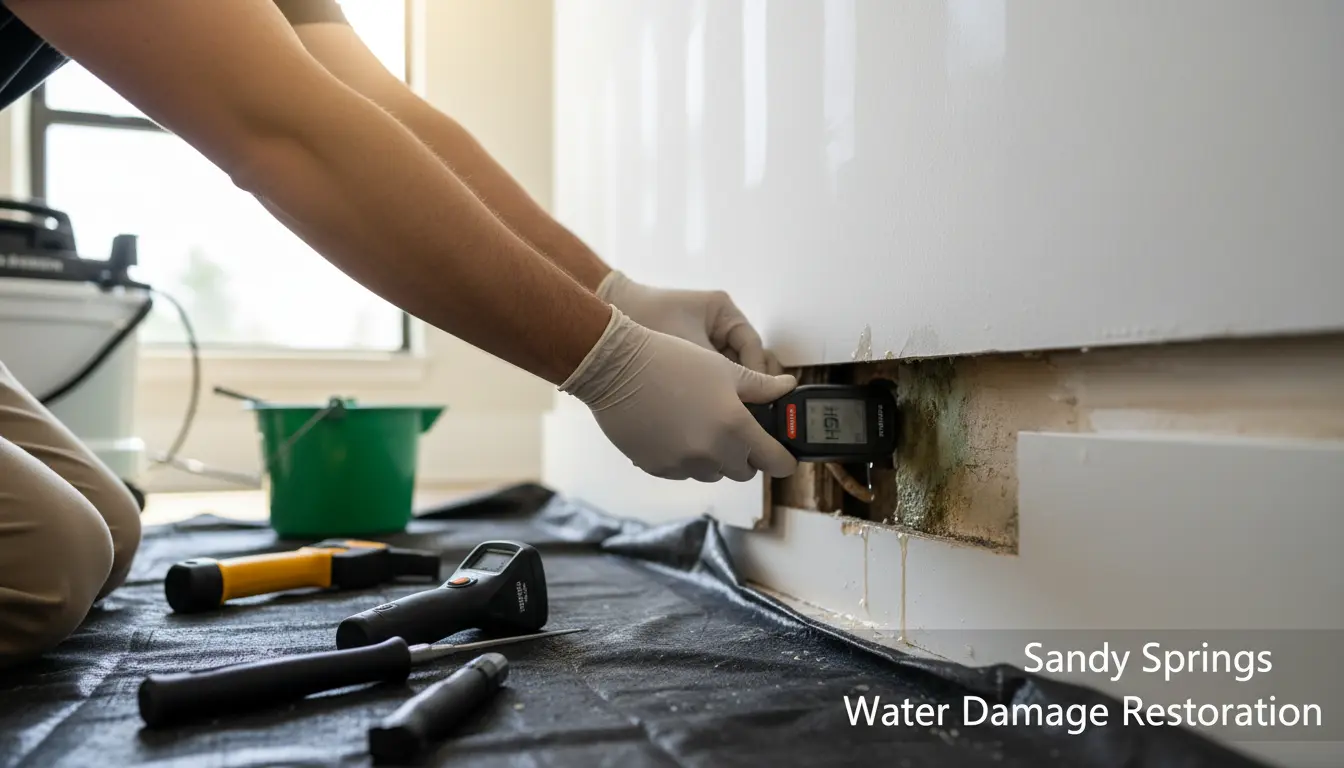
Living in Sandy Springs, with its humid subtropical climate and frequent heavy rains, means water damage is a lurking threat for many homeowners. Those charming older homes in neighborhoods like those near the Chattahoochee River might look pristine on the outside, but hidden water issues can silently erode your investment. As experts at Sandy Springs Water Damage Restoration, we’ve seen how undetected leaks lead to mold growth, structural weakening, and skyrocketing repair bills. In this guide, we’ll reveal the top 5 signs of hidden water damage, offer practical tips to spot them early, and explain why acting fast is crucial. Whether you’re in Sandy Springs proper or nearby areas like Dunwoody, staying vigilant can save you thousands.
Why Hidden Water Damage is a Big Deal in Sandy Springs
Sandy Springs’ location in Fulton County exposes homes to unique risks. Torrential downpours during summer storms, combined with aging plumbing in mid-century homes, create perfect conditions for concealed water intrusion. Unlike visible floods, hidden damage often goes unnoticed until it’s severe—leading to health hazards like mold allergies and expensive fixes.
Early detection isn’t just smart; it’s essential. According to local building codes, untreated water damage can compromise your home’s foundation, especially in our clay-heavy soils that expand when wet. At Sandy Springs Water Damage Restoration, we recommend annual inspections, particularly after events like the heavy rains we saw in the 2023 Atlanta floods. By recognizing subtle signs, you can prevent minor issues from becoming disasters.
The Hidden Dangers: Mold and Structural Risks
Beyond aesthetics, hidden water fosters black mold, which thrives in our warm, moist environment. It can cause respiratory problems, especially for families with kids or elderly residents. Structurally, water weakens wood beams and drywall, potentially leading to sagging ceilings or buckling floors—common complaints we handle in Sandy Springs restorations.
Sign #1: Musty Odors That Linger
One of the sneakiest indicators is a persistent musty smell, often mistaken for damp laundry or old carpet. In Sandy Springs homes, this odor frequently originates from crawl spaces or behind walls where water seeps in from poor drainage around foundations.
How to Investigate and Act
Sniff around basements, attics, and under sinks. If the smell intensifies after rain, it’s a red flag. Practical tip: Use a dehumidifier in high-risk areas to control humidity levels below 50%. If you detect this, don’t ignore it—schedule a professional inspection. For immediate relief in flooding scenarios, our emergency water removal services can extract hidden moisture before odors worsen.
Homeowners in nearby Dunwoody often report similar issues due to shared watershed patterns; checking your HVAC system vents can reveal early moisture buildup.
Sign #2: Warping or Buckling Floors and Walls
Look down and around: Are your hardwood floors cupping at the edges, or is drywall soft to the touch? In Sandy Springs’ variable weather, leaks from roofs or pipes cause materials to swell and warp over time.
Spotting and Preventing It
Walk your home barefoot after a storm—feel for uneven surfaces. Actionable advice: Inspect baseboards for discoloration and ensure gutters direct water away from your foundation by at least 5 feet. If warping appears, act quickly to avoid mold. We’ve restored many Sandy Springs properties where early emergency water removal prevented full floor replacements.
Local tip: Older homes near Sandy Springs City Springs Park may have settling issues exacerbating this; consider a professional moisture meter reading for accuracy.
Sign #3: Peeling Paint or Bubbling Wallpaper
Cosmetic clues like blistering paint on exterior walls or interior bubbling often signal moisture trapped behind surfaces. Our humid summers amplify this in attics and bathrooms.
DIY Checks and Fixes
Press on suspicious areas—if it yields like a water balloon, water’s inside. Tip: Repaint with mold-resistant formulas and improve ventilation with exhaust fans. For severe cases, contact us for thorough drying. This sign is prevalent in Dunwoody homes too, where similar building styles prevail—linking it to broader area vulnerabilities.
Sign #4: Stains on Ceilings or Walls
Yellowish or brownish stains, especially in attics or above appliances, indicate roof leaks or pipe drips. In Sandy Springs, tree-lined streets mean overhanging branches can damage shingles during winds.
Assessing the Extent
Climb into your attic with a flashlight; look for dark spots on insulation. Advice: Trim trees annually and seal roof penetrations. If stains spread, it could mean active leaks—our team at Sandy Springs Water Damage Restoration uses thermal imaging to pinpoint sources without demolition.
Proactive measure: After Atlanta’s hurricane seasons, inspect for this in homes across the region, including those in Dunwoody.
Sign #5: Increased Allergy Symptoms or Mold Spots
Sudden sneezing, coughing, or visible black spots on grout? Hidden water breeds mold, a common foe in our area’s basements.
Health and Home Tips
Monitor family health post-rain; test air quality if symptoms persist. Action: Clean with vinegar solutions for minor spots, but for hidden growth, professional remediation is key. We often see this in Sandy Springs condos with shared walls—early intervention prevents neighbor disputes.
What to Do If You Suspect Hidden Water Damage
Don’t panic, but don’t delay. First, shut off water if possible and ventilate. Document everything for insurance. Then, call pros like us for assessment. In Sandy Springs, where permits are strict, certified restoration ensures compliance.
Step-by-Step Action Plan
- Isolate the area.
- Use fans and dehumidifiers.
- Contact Sandy Springs Water Damage Restoration for a free inspection.
- If in a flood-prone spot like near the river, consider elevating appliances.
For comprehensive solutions, explore our emergency water removal to dry out affected areas swiftly.
FAQ: Common Questions About Hidden Water Damage in Sandy Springs
1. How much does water damage restoration cost in Sandy Springs?
Costs vary from $1,500 for minor fixes to $10,000+ for extensive mold removal. Factors include damage extent and location. We provide transparent quotes at Sandy Springs Water Damage Restoration.
2. Can I fix hidden water damage myself?
Minor surface issues, yes—but hidden problems require pros to avoid health risks. DIY often misses sources, leading to recurrence.
3. How long does it take to detect hidden water damage?
With tools like infrared cameras, detection takes hours. Full restoration? 3-7 days, depending on severity.
4. Is hidden water damage covered by homeowners insurance in Georgia?
Usually yes for sudden events, but not gradual wear. Check your policy; we assist with claims.
5. Why is Sandy Springs prone to water damage?
Heavy rainfall, clay soil, and urban runoff increase risks. Proximity to Dunwoody amplifies shared drainage challenges.
Conclusion: Protect Your Sandy Springs Home Today
Hidden water damage doesn’t announce itself with fanfare—it’s the quiet destroyer that can undermine your home’s value and your family’s well-being. By watching for these top 5 signs—from musty odors to mysterious stains—you empower yourself to act before costs escalate. In Sandy Springs, where our community spirit shines, safeguarding homes is a priority. Don’t wait for the next storm; reach out to Sandy Springs Water Damage Restoration for a professional evaluation. Visit our Dunwoody service area page if you’re nearby, or call us now at (470) 288-3957 for prompt, reliable help. Your home deserves the best—let’s keep it dry and safe!