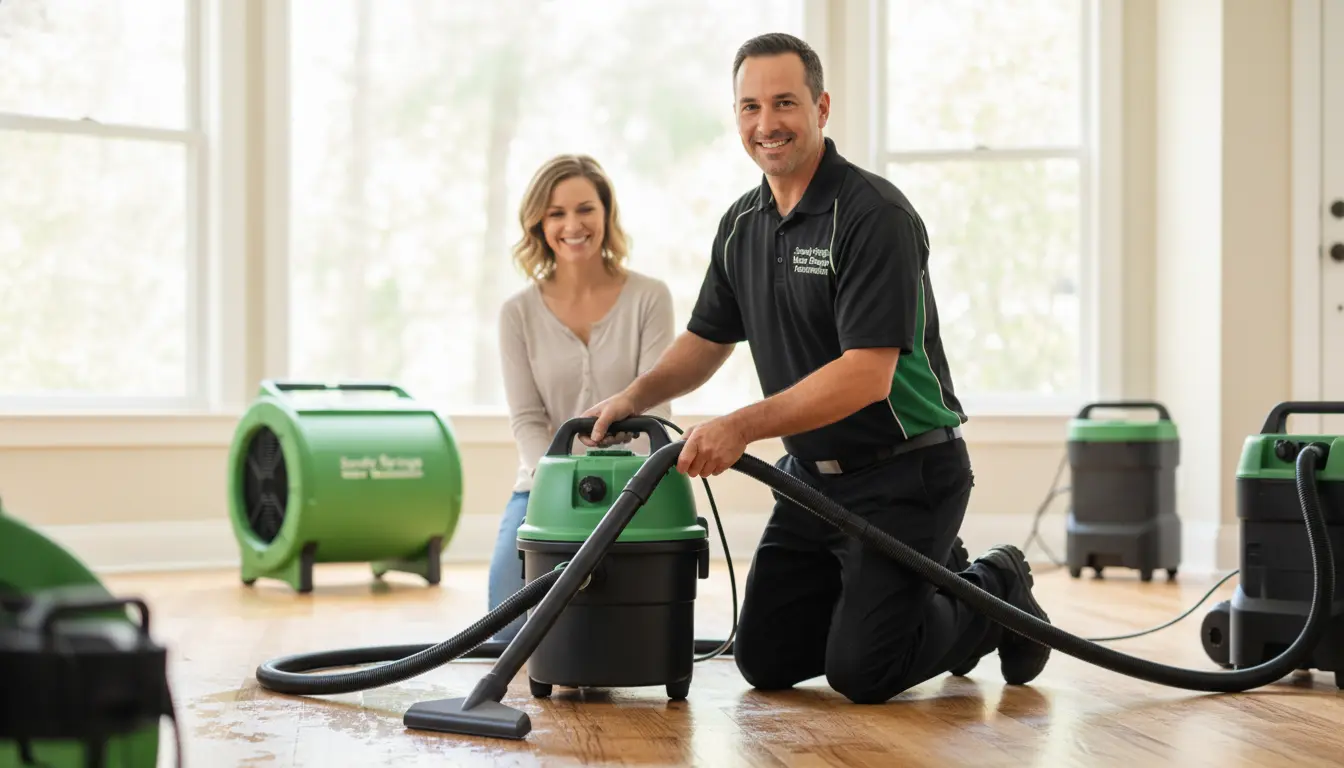
Contrary to popular belief, water damage is not always immediately visible, and professionals often detect hidden moisture behind walls and floors using specialized equipment and techniques. In areas like Sandy Springs, Georgia, the humid climate and frequent summer storms make it essential to address water intrusion risks promptly. Immediate professional water damage restoration is critical in Sandy Springs to prevent secondary damage, such as mold growth, which can have serious health implications and further compromise the structure of a building.
The importance of timely and effective water damage restoration cannot be overstated, especially in regions prone to heavy rainfall and flooding. Sandy Springs Water Damage Restoration, as the premier service provider in the area, understands the unique challenges posed by the local environment and is equipped to tackle them with expertise and state-of-the-art technology. Their team of certified professionals is dedicated to returning properties to a safe, dry, and structurally sound condition, minimizing the risk of long-term damage and health hazards.
For property owners in Sandy Springs, recognizing the signs of hidden water damage is crucial. These signs can include unusual odors, discoloration on walls or ceilings, and sudden increases in water bills. When such indicators are noticed, it is vital to seek professional help without delay. The restoration process begins with a thorough assessment to identify all areas of moisture intrusion, followed by the application of targeted drying and dehumidification strategies.
Technical Process
The professional water damage restoration workflow in Sandy Springs involves several critical steps, each designed to ensure that the property is thoroughly dried and sanitized. Initially, a moisture assessment is conducted using thermal imaging cameras and moisture meters to pinpoint the source and extent of the water intrusion. This is followed by standing water extraction, which may involve the use of truck-mounted extraction units or portable wet/dry vacuums, depending on the volume of water present.
After the bulk of the water has been removed, the focus shifts to reducing the moisture levels in the air and within the structure. This is achieved through the strategic placement of LGR dehumidifiers and the use of HEPA air scrubbers to remove airborne particles and moisture. Throughout the drying process, technicians monitor the environment closely, adjusting equipment as needed to maintain optimal drying conditions. This might involve manipulating temperature, humidity, and air movement to expedite the evaporation of moisture from saturated materials.
Local environmental conditions, such as the ambient humidity in Georgia, play a significant role in determining the most effective drying strategy. In humid climates, controlling vapor pressure and relative humidity is crucial to prevent further moisture accumulation and to facilitate efficient drying. The use of psychrometry, the science of measuring the thermal and moisture properties of air, is essential in this context, as it helps technicians to understand and manage the drying environment more effectively.
Importance of Local Conditions
In Sandy Springs, the proximity to the Chattahoochee River and the typical residential and commercial building materials used in the area must also be considered. For instance, structures near water bodies may be more prone to flooding, and materials like wood and drywall can be particularly susceptible to water damage and require specialized drying techniques.
Data Comparison
When considering the best approach to water damage restoration, it’s helpful to compare the effectiveness of different methods. For example, professional water extraction services can remove water at a significantly higher rate than DIY methods, reducing the risk of secondary damage and the time required for drying.
| Feature/Metric | Professional Water Extraction | DIY Wet/Dry Vacuums |
|---|---|---|
| Water Removal Rate | High | Low |
| Secondary Damage Risk | Low | High |
| Structural Drying Time | Faster | Slower |
Source: IICRC S500 Reference Guide
Expert Insights
Professionals in the field of water damage restoration often stress the importance of a thorough and immediate response to water intrusion. This includes safely turning off utilities to prevent further damage, identifying and addressing hidden moisture pockets behind drywall or under flooring, and employing antimicrobial treatments to prevent mold growth. Delaying these steps or attempting to handle them without proper training and equipment can lead to more severe and costly problems down the line.
Common mistakes made by property owners include relying solely on ceiling fans to dry carpets, which can lead to prolonged drying times and increased risk of mold, and delaying the extraction process, which allows moisture to penetrate deeper into the structure. Understanding these pitfalls and the benefits of professional intervention can significantly impact the outcome of water damage restoration efforts.
Pricing
The cost of water damage restoration services can vary widely based on several factors, including the category and level of water contamination, the extent of the damage, and the necessary measures for drying and sanitation. Pricing structures may include cost per square foot for extraction, daily rates for drying equipment rental, or fixed rates for initial inspections. It’s also important to consider the costs associated with any necessary structural repairs or replacements, such as drywall removal and replacement, or the refinishing of hardwood floors.
- Cost per square foot for extraction can range significantly depending on the volume of water and the complexity of the extraction process.
- Daily rates for drying equipment rental are influenced by the type and quantity of equipment needed, as well as the duration of the drying process.
- Fixed rates for initial inspections provide a clear upfront cost for property owners to assess the situation and plan accordingly.
Safety & Standards
Safety and adherence to industry standards are paramount in water damage restoration. Professionals must be certified, such as through the IICRC WRT/ASD programs, ensuring they possess the knowledge and skills to handle water damage situations safely and effectively. The use of personal protective equipment (PPE) and EPA-registered antimicrobials is also critical to prevent exposure to harmful substances and to ensure the property is thoroughly sanitized.
The practical importance of these protocols cannot be overstated, particularly in households with pets, children, or individuals with compromised immune systems, who may be more susceptible to the health risks associated with water damage and mold growth. By following established guidelines and using approved materials and equipment, restoration professionals can significantly reduce these risks and provide a safe and healthy environment for occupants.
FAQ
What are the first steps I should take if I discover water damage in my home?
If you discover water damage, it’s essential to act quickly to minimize further damage. The first step is to ensure your safety by turning off the main power and water supply if it’s safe to do so. Next, contact a professional water damage restoration service. While waiting for the professionals to arrive, you can start by removing any items that are not affected by the water to prevent further damage and to make the restoration process easier.
How long does the water damage restoration process typically take?
The duration of the water damage restoration process can vary significantly depending on the extent of the damage, the type of materials affected, and the environmental conditions. In some cases, the process can be completed within a few days, while more severe situations may require weeks or even months to fully restore the property. Regular communication with your restoration provider and ongoing monitoring of the drying process are key to understanding the timeline and planning accordingly.
Can I handle water damage restoration myself, or do I need to hire a professional?
While it might be tempting to attempt water damage restoration on your own, especially for minor incidents, hiring a professional is often the best course of action. Professionals have the training, equipment, and experience to handle water damage effectively and safely, reducing the risk of secondary damage and health hazards. They can also provide guidance on how to prevent future water damage and offer solutions for drying and restoration that are tailored to your specific situation.
What are some common causes of water damage, and how can they be prevented?
Common causes of water damage include leaks from appliances, plumbing issues, and external factors like heavy rainfall or flooding. Prevention strategies can include regular maintenance of appliances and plumbing systems, ensuring that the property’s drainage system is functioning properly, and taking steps to protect the property from external water sources, such as sealing any cracks in walls or floors and installing a sump pump in the basement. For more detailed advice, consider consulting resources like guides on choosing the best water damage restoration company or emergency water removal tips.
Professional Restoration in Sandy Springs
In conclusion, when dealing with water damage, it’s crucial to act swiftly and seek the help of professionals. In Sandy Springs, the unique combination of a humid climate and the risk of summer storms makes immediate action even more critical. By understanding the process of water damage restoration, the importance of professional intervention, and the steps you can take to prevent and mitigate damage, you can better protect your property and ensure the health and safety of its occupants. For comprehensive and reliable water damage restoration services, consider reaching out to Sandy Springs Water Damage Restoration, where experienced professionals are dedicated to providing the highest level of service and care for your property.