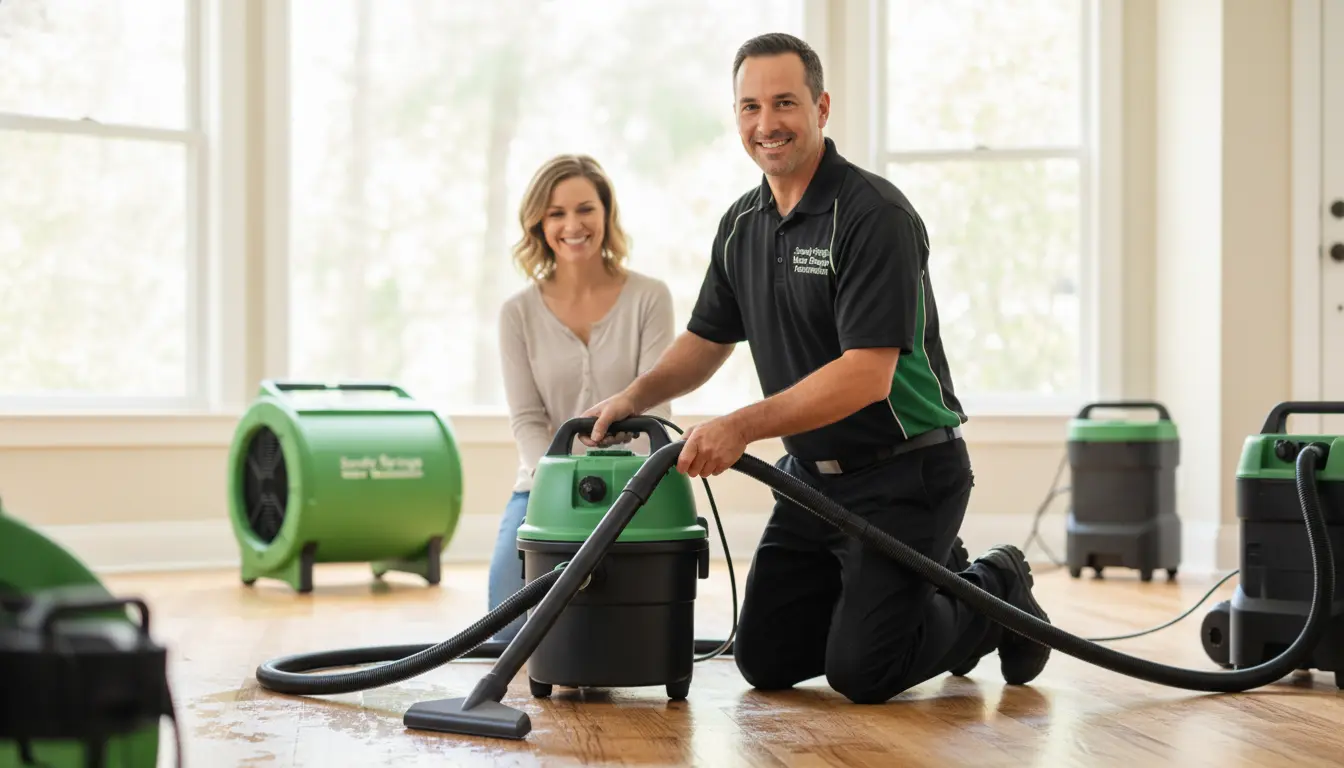
As a certified water damage restoration expert in Sandy Springs, Georgia, I recall a particularly challenging case where a homeowner’s ceiling had suffered extensive water damage after a roof leak. The homeowner, Mrs. Johnson, had been away on vacation when the leak occurred, and by the time she returned, the damage had already spread to the walls and floors. This scenario highlights the importance of prompt and professional water damage restoration in Sandy Springs, where the humid climate can exacerbate secondary damage like mold growth.
The best way to deal with ceiling water damage after roof leaks in Sandy Springs is to seek immediate professional help. Delaying restoration can lead to further complications, including structural issues, health hazards, and increased costs. At Sandy Springs Water Damage Restoration, our team of experts is equipped to handle all aspects of water damage restoration, from initial assessment to final drying and verification.
Our process begins with a thorough moisture assessment, using advanced tools like thermal imaging cameras to detect hidden water pockets. We then proceed with standing water extraction, using truck-mounted units to remove water quickly and efficiently. Next, we apply antimicrobial treatments to prevent the growth of mold and bacteria. Our team also uses HEPA air scrubbers to remove airborne contaminants and LGR dehumidifiers to control the drying environment.
Technical Process
The technical process of water damage restoration involves several critical steps. First, our team conducts a thorough initial assessment to determine the extent of the damage and identify potential hazards. We then develop a customized restoration plan, taking into account factors like the type and category of water, the affected materials, and the environmental conditions.
One of the key tools we use in the restoration process is psychrometry, the study of the relationship between air and water vapor. By controlling the psychrometric parameters, we can optimize the drying environment and prevent further damage. Our team also uses moisture mapping to track the progress of the drying process and ensure that all affected areas are properly treated.
In addition to our technical expertise, we also prioritize safety and adherence to industry standards. Our team is certified by the Institute of Inspection, Cleaning and Restoration Certification (IICRC) and follows the guidelines set forth in the S500 standard for water damage restoration. We also use EPA-registered antimicrobials and follow strict protocols for personal protective equipment (PPE) to ensure a safe working environment.
Data Comparison
When it comes to water damage restoration, it’s essential to understand the differences between professional and DIY approaches. The following table compares the two:
| Feature/Metric | Professional Water Extraction | DIY Wet/Dry Vacuums |
|---|---|---|
| Water Removal Rate | Up to 10,000 gallons per hour | Typically 10-20 gallons per minute |
| Secondary Damage Risk | Minimized with proper equipment and techniques | High risk of further damage without proper training and equipment |
| Structural Drying Time | Typically 3-5 days with proper equipment and techniques | Can take weeks or even months without proper equipment and techniques |
Source: IICRC S500 Reference Guide
Expert Insights
As a certified water damage restoration expert, I’ve seen many homeowners make critical mistakes that can exacerbate the damage and increase the cost of restoration. One common mistake is delaying extraction, which can allow mold and bacteria to grow and spread. Another mistake is relying solely on ceiling fans to dry carpets, which can take weeks or even months and may not effectively remove all moisture.
To avoid these mistakes, it’s essential to seek immediate professional help and follow a structured restoration plan. Our team at Sandy Springs Water Damage Restoration is equipped to handle all aspects of water damage restoration, from initial assessment to final drying and verification.
Pricing
The cost of water damage restoration can vary widely depending on several factors, including the extent of the damage, the type and category of water, and the necessary structural repairs. Some common pricing structures include:
- Cost per square foot for extraction: $3-5 per square foot
- Daily rates for drying equipment rental: $500-1,000 per day
- Fixed rates for initial inspections: $200-500
Our team at Sandy Springs Water Damage Restoration works closely with homeowners and insurance companies to provide accurate estimates and ensure a smooth restoration process.
Safety and Standards
Safety is our top priority at Sandy Springs Water Damage Restoration. Our team is certified by the IICRC and follows strict protocols for PPE and antimicrobial application. We also use EPA-registered antimicrobials and follow the guidelines set forth in the S500 standard for water damage restoration.
By prioritizing safety and adherence to industry standards, we can ensure a safe working environment and prevent further damage to the property.
FAQ
What is the first step in water damage restoration?
The first step in water damage restoration is to conduct a thorough initial assessment to determine the extent of the damage and identify potential hazards. This assessment should include a visual inspection of the property, as well as the use of advanced tools like thermal imaging cameras to detect hidden water pockets.
How long does the water damage restoration process typically take?
The length of the water damage restoration process can vary widely depending on several factors, including the extent of the damage, the type and category of water, and the necessary structural repairs. Typically, the process can take anywhere from 3-5 days to several weeks or even months.
What are some common mistakes homeowners make during water damage restoration?
Some common mistakes homeowners make during water damage restoration include delaying extraction, relying solely on ceiling fans to dry carpets, and attempting to clean or restore damaged materials without proper training and equipment. These mistakes can exacerbate the damage and increase the cost of restoration.
How can I prevent mold growth after water damage?
To prevent mold growth after water damage, it’s essential to seek immediate professional help and follow a structured restoration plan. This plan should include the use of antimicrobial treatments, HEPA air scrubbers, and LGR dehumidifiers to control the drying environment and prevent the growth of mold and bacteria.
Professional Restoration in Sandy Springs
At Sandy Springs Water Damage Restoration, our team of experts is equipped to handle all aspects of water damage restoration, from initial assessment to final drying and verification. We prioritize safety and adherence to industry standards, and work closely with homeowners and insurance companies to provide accurate estimates and ensure a smooth restoration process.
By choosing Sandy Springs Water Damage Restoration, homeowners can trust that their property will be restored to a safe, dry, and structurally sound environment. Our team is committed to providing the highest level of service and expertise, and to ensuring that every homeowner can return to their property with confidence.