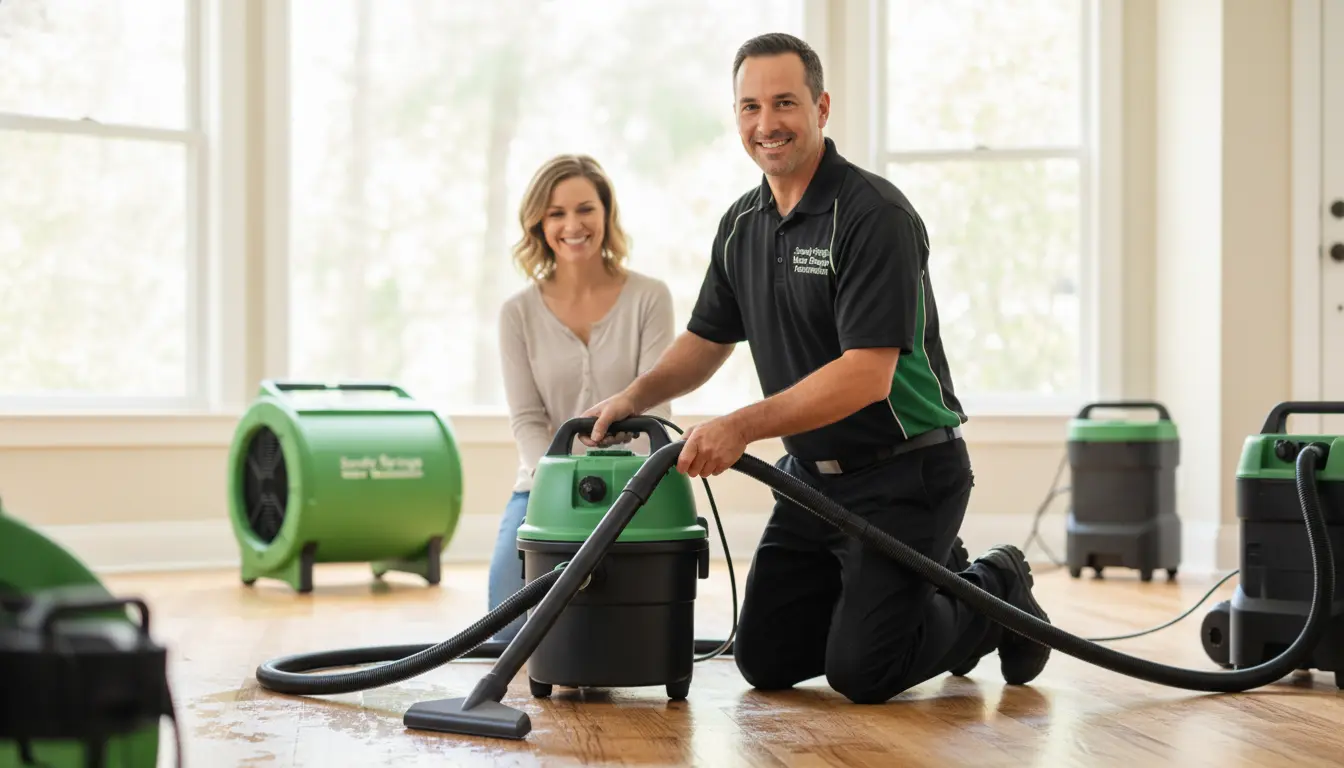
Living in the steamy embrace of Georgia’s humid climate can be a delight—until a water leak turns your Sandy Springs home into a breeding ground for mold. If you’ve ever dealt with the musty smell or spotted those telltale black spots after a pipe bursts or a storm hits, you know the headache it causes. In areas like Sandy Springs, where high humidity levels often hover above 70%, even minor water damage can escalate quickly into serious mold issues. But fear not! At Sandy Springs Water Damage Restoration, we’re here to guide you through preventing this nightmare. In this post, we’ll dive into practical strategies to stop mold in its tracks, tailored for our local Georgia environment.
Whether it’s a leaky appliance or heavy rains flooding your basement, quick action is key. Stick around as we break down the science, share actionable tips, and highlight how our services can safeguard your home.
Understanding the Mold Threat in Humid Georgia
Georgia’s subtropical climate, especially in metro Atlanta areas like Sandy Springs, creates perfect conditions for mold. With average humidity levels reaching 75% in summer months, moisture lingers in the air and on surfaces, inviting fungal growth.
Why Water Leaks Are a Big Problem Here
Water leaks from roofs, pipes, or appliances introduce excess moisture that mold thrives on. In Sandy Springs, where sudden thunderstorms are common, even a small roof leak can saturate insulation and drywall. According to the EPA, mold can start growing within 24-48 hours of water exposure. In our humid GA weather, that timeline shortens, making prevention urgent.
Local factors amplify the risk: Proximity to the Chattahoochee River means higher moisture, and older homes in neighborhoods like those near Sandy Springs City Springs often have outdated plumbing prone to failures. If you’ve experienced appliance water damage, you know how quickly it spreads.
Immediate Steps After a Water Leak
The moment you spot a leak, time is your ally against mold. Here’s how to respond swiftly in Sandy Springs.
Stop the Source and Assess Damage
First, shut off the water supply to prevent further flooding. For burst pipes, call a professional immediately. In Sandy Springs, our team at Sandy Springs Water Damage Restoration offers 24/7 emergency response to handle this.
Next, inspect affected areas: Check walls, ceilings, floors, and hidden spots like behind furniture. Use a moisture meter if available—anything over 15% humidity signals trouble.
Extract Water Quickly
Don’t let water sit! Use fans, dehumidifiers, and towels for small leaks. For larger incidents, like those from heavy rains, professional emergency water removal is essential. In humid GA, drying alone can take days without help, allowing mold to take hold.
Pro tip: In Sandy Springs’ clay-heavy soil, basements are particularly vulnerable to seepage. Elevate valuables and monitor for hidden pooling.
Practical Tips to Prevent Mold Growth
Prevention is about controlling moisture long-term. Here are actionable strategies for Sandy Springs homeowners.
Enhance Ventilation and Airflow
Good airflow is your first defense. Install exhaust fans in bathrooms and kitchens—run them for 20-30 minutes post-shower. In attics and crawl spaces, ensure vents are clear of debris, a common issue in our leafy suburbs.
Consider whole-home dehumidifiers, especially if your HVAC struggles with GA’s mugginess. Aim for indoor humidity below 50%. For homes near Buckhead, where urban heat adds to humidity, this is crucial.
Maintain Your Home’s Structure
Seal cracks in foundations and walls with caulk or sealant. In Sandy Springs, where tree roots can infiltrate pipes, regular inspections prevent leaks. Schedule annual checks for roofs, especially after our intense storm seasons.
For plumbing, watch for sewage backup cleanup needs if backups occur—common in older drainage systems around Peachtree Corners.
Use Mold-Resistant Materials and Cleaners
When renovating, opt for mold-resistant drywall and paints. Clean spills immediately with a bleach solution (1 cup bleach to 1 gallon water), but ventilate well—GA’s humidity can make fumes linger.
Keep gutters clean to divert rainwater. In Sandy Springs, leaf buildup from nearby parks can clog them, leading to roof leaks. A simple gutter guard installation pays off.
Monitor and Test Regularly
Invest in a hygrometer to track humidity. Test for mold annually, especially post-leak. If you suspect growth, avoid DIY removal for large areas—call experts to prevent spore spread.
In humid spots like basements, use silica gel packs or desiccants. For flood damage cleanup after storms, professional drying ensures no residual moisture.
Local Sandy Springs Considerations
Sandy Springs’ unique environment demands tailored approaches. Our area’s rapid development means mixed old and new homes—vintage builds in Riverwood often have asbestos risks alongside mold, requiring careful handling.
Summer humidity peaks in July-August, coinciding with hurricane season. Prepare by trimming overhanging branches and ensuring sump pumps work. Proximity to I-285 exposes homes to stormwater runoff, so elevate HVAC units.
Community events like the Sandy Springs Festival highlight our vibrant life, but they also remind us to protect properties from weather whims. If serving nearby High Point, similar tips apply.
FAQ: Common Questions About Mold Prevention in GA
How Quickly Does Mold Grow After a Water Leak in Humid Climates?
In Georgia’s humidity, mold can appear in as little as 24 hours. Act fast with extraction and drying to halt it.
Can I Prevent Mold Without Professional Help?
For minor leaks, yes—use fans and dehumidifiers. But for extensive damage, pros like us ensure thorough prevention.
What Are Signs of Hidden Mold in Sandy Springs Homes?
Look for musty odors, warped wood, or discoloration. High humidity often hides it in attics or behind walls.
Is Mold Prevention Covered by Home Insurance in GA?
Many policies cover water damage restoration if sudden, like leaks. Check for mold riders—our team helps with claims.
How Does GA’s Climate Affect Mold Compared to Drier Areas?
Our constant moisture accelerates growth versus arid regions. Ventilation and dehumidification are non-negotiable here.
Conclusion: Safeguard Your Sandy Springs Home Today
Preventing mold after water leaks in humid GA climates isn’t just about cleanup—it’s about proactive protection for your health and home. From immediate water extraction to ongoing maintenance, these tips empower you to stay ahead. In Sandy Springs, where weather can turn on a dime, partnering with local experts makes all the difference.
Don’t wait for mold to invade—contact Sandy Springs Water Damage Restoration for a free assessment or emergency services. Whether it’s Berkeley Lake or your Sandy Springs address, we’re ready 24/7 to restore peace of mind. Call now and breathe easy!