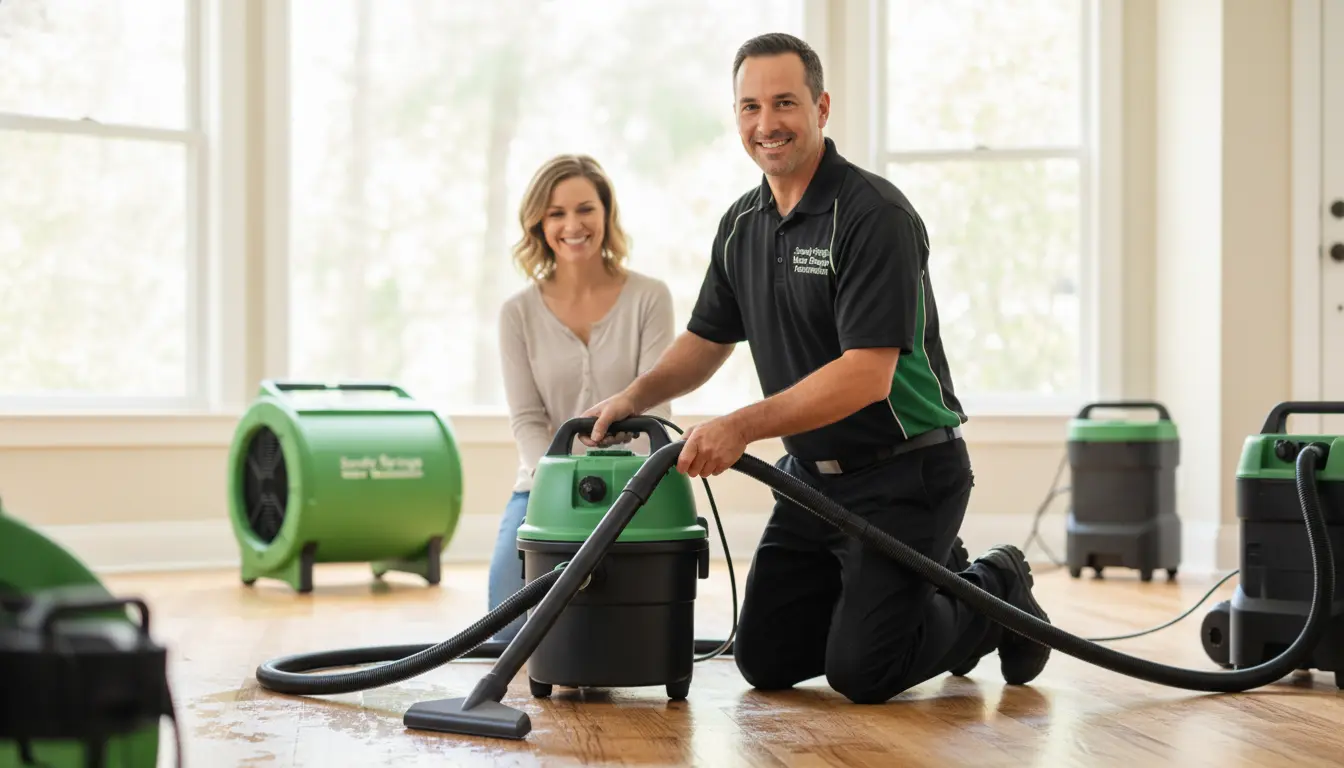
Water damage, particularly to hardwood floors, is a serious issue that requires immediate attention to prevent further destruction. In Sandy Springs, Georgia, the risk of water damage is heightened due to the area’s proximity to the Chattahoochee River and its humid subtropical climate. It is essential to understand that water damage restoration is not merely a matter of drying the surface but involves a comprehensive process to restore the property to its pre-damage condition. This distinction is crucial as many homeowners might confuse water damage restoration with simple drying, which can lead to more severe problems like mold growth and structural weakening.
The process of restoring water-damaged hardwood floors in Sandy Springs is complex and requires professional expertise. The first step involves a thorough assessment of the damage, including the use of thermal imaging cameras to detect hidden moisture. Following this, standing water is extracted using powerful truck-mounted units, and the area is treated with antimicrobial solutions to prevent the growth of mold and bacteria. The structural drying phase is critical and may involve the use of LGR dehumidifiers and HEPA air scrubbers to control the humidity and remove airborne pathogens.
Given the specific conditions in Sandy Springs, such as high humidity during certain times of the year, the drying process must be carefully managed. This includes setting up a drying chamber that can effectively control vapor pressure and relative humidity, ensuring that the hardwood floors and surrounding structures are dried properly without causing further damage. For homeowners in Sandy Springs, understanding these processes and the importance of professional intervention is key to preventing long-term damage to their properties.
Technical Process of Water Damage Restoration
The technical process of water damage restoration in Sandy Springs involves several critical steps. First, a thorough inspection is conducted to assess the extent of the damage. This inspection may involve the use of moisture meters and thermal imaging cameras to identify all areas affected by water. Following the inspection, standing water is extracted, and the affected areas are cleaned and disinfected. The use of antimicrobial treatments is particularly important in preventing the growth of mold and bacteria, which can occur rapidly in Sandy Springs’ humid climate.
After the initial cleaning and disinfection, the structural drying process begins. This may involve the use of various equipment such as dehumidifiers, air movers, and heat drying systems. The choice of equipment depends on the extent of the damage, the type of materials affected, and the ambient conditions. For instance, hardwood floors may require careful drying to prevent warping or cracking, a process that can be facilitated by controlling the temperature and humidity levels in the drying environment.
Data Comparison for Water Damage Restoration Approaches
When considering approaches to water damage restoration, it’s helpful to compare different methods based on their effectiveness, cost, and potential for secondary damage. The table below illustrates a comparison between professional water extraction services and DIY methods using wet/dry vacuums.
| Feature/Metric | Professional Water Extraction | DIY Wet/Dry Vacuums |
|---|---|---|
| Water Removal Rate | High | Low to Moderate |
| Secondary Damage Risk | Low | High |
| Structural Drying Time | Faster | Slower |
Source: IICRC S500 Reference Guide
Expert Insights for Property Owners
For property owners in Sandy Springs, several expert tips can make a significant difference in the water damage restoration process. First, it’s crucial to act quickly. The sooner professional restoration services are engaged, the less likely it is that secondary damage will occur. Second, do not attempt to dry hardwood floors or other structural elements without proper training and equipment, as this can lead to further damage. Finally, consider the importance of documentation for insurance purposes; taking photos and videos of the damage before any restoration work begins can be invaluable.
Common mistakes that property owners make include delaying the restoration process, relying on DIY methods for significant water damage, and failing to address hidden moisture pockets. These mistakes can lead to the growth of mold, delamination of flooring, and other structural issues that are costly and time-consuming to repair. By understanding these risks and taking proactive steps, homeowners in Sandy Springs can mitigate the effects of water damage and ensure their properties are restored to a safe and healthy condition.
Pricing Considerations
The cost of water damage restoration in Sandy Springs can vary widely depending on several factors, including the extent of the damage, the type of water involved (clean, gray, or black), and the materials and equipment required for the restoration. Pricing structures may include cost per square foot for extraction, daily rates for drying equipment rental, and fixed rates for initial inspections. It’s also important to consider that while DIY approaches may seem cost-effective upfront, they can often lead to more significant expenses in the long run due to the risk of secondary damage.
- Cost per square foot for water extraction can range from $3 to $7, depending on the depth of the water and the accessibility of the area.
- Daily rates for drying equipment can vary from $100 to $500, depending on the type and amount of equipment needed.
- Initial inspection fees are typically fixed, ranging from $100 to $300, and are often deducted from the total cost of the restoration services if the homeowner proceeds with the recommended work.
Safety and Standards in Water Damage Restoration
Safety and adherence to industry standards are paramount in water damage restoration. Professionals in this field are certified by organizations such as the IICRC (Institute of Inspection, Cleaning and Restoration Certification) and must follow strict guidelines to ensure that properties are restored safely and effectively. This includes the use of personal protective equipment (PPE), adherence to safety protocols when working with electrical systems in flooded areas, and the application of EPA-registered antimicrobial solutions to prevent the spread of pathogens.
The use of IICRC-certified technicians ensures that the restoration process is conducted with the highest level of professionalism and expertise, minimizing risks to occupants and ensuring that the property is restored to a condition that is safe, healthy, and free from the risk of future water damage-related issues.
Frequently Asked Questions
What is the first step I should take if I discover water damage in my home?
If you discover water damage in your home, the first step you should take is to ensure your safety and the safety of your family. This may involve turning off the main power and water supply to prevent further damage or electrical shock. Next, contact a professional water damage restoration service to assess and address the damage as soon as possible.
How long does the water damage restoration process typically take?
The duration of the water damage restoration process can vary significantly depending on the extent of the damage, the type of materials affected, and the environmental conditions. In general, the process can take anywhere from a few days to several weeks. It’s essential to work with a professional restoration service that can provide a detailed timeline and keep you informed throughout the process.
What are the risks of DIY water damage restoration?
Attempting DIY water damage restoration can pose significant risks, including the potential for further damage to your property, the growth of mold and bacteria, and exposure to harmful pathogens. Without the proper training, equipment, and experience, it’s easy to overlook critical steps in the restoration process, leading to long-term issues that can be costly and dangerous.
Can I prevent water damage from occurring in the first place?
While not all water damage can be prevented, there are steps you can take to reduce the risk. Regular maintenance of your home’s plumbing system, ensuring that your roof is in good condition, and keeping an eye out for signs of water leaks or damage can all help mitigate the risk of water damage. Additionally, considering investments in a water detection system or a whole-house generator can provide additional layers of protection against unexpected water damage events.
Professional Restoration in Sandy Springs
In conclusion, when it comes to water damage restoration in Sandy Springs, it’s crucial to prioritize professionalism, safety, and adherence to industry standards. By understanding the risks associated with water damage and the importance of timely, expert intervention, homeowners can protect their properties and ensure a safe and healthy living environment. For those in Sandy Springs facing water damage, reaching out to a trusted, IICRC-certified restoration service is the first step towards restoring their home to its pre-damage condition.
Sandy Springs Water Damage Restoration stands as a beacon of reliability and expertise in the area, offering comprehensive solutions tailored to the unique needs and challenges of the local community. With a deep understanding of the specific conditions in Sandy Springs, including its humid climate and the common types of water damage experienced by residents, this service is uniquely positioned to provide effective, efficient, and safe restoration services.
By choosing a professional water damage restoration service, homeowners not only ensure the quickest and most effective recovery from water damage but also invest in the long-term integrity and value of their property. As the premier service provider in Sandy Springs, Sandy Springs Water Damage Restoration is committed to helping the community navigate the challenges of water damage, providing peace of mind and ensuring that every home is restored to a safe, dry, and healthy condition.