According to a 2020 report by the National Flood Insurance Program, flooding is the most common and costly type of natural disaster in the United States, with the average flood claim totaling over $43,000. In Sandy Springs, Georgia, the risk of flooding is particularly high due to its location near the Chattahoochee River and the city’s low-lying areas. As a result, it’s essential for property owners to know what to do immediately after flooding in their Sandy Springs property to minimize damage and ensure a safe and successful restoration process.
The first step in responding to a flood is to prioritize safety. This means turning off the main power and water supplies to the property, as well as taking steps to prevent further water damage, such as covering broken windows and damaged roofs. It’s also crucial to document the damage for insurance purposes, including taking photos and videos of the affected areas. For more information on the initial steps to take after a flood, visit our What To Do After Water Damage Step By Step Sandy Springs Guide.
Once the initial response has been completed, it’s time to bring in the professionals. A certified water damage restoration company like Sandy Springs Water Damage Restoration can help property owners navigate the complex process of restoring their property to its pre-flood condition. This includes conducting a thorough assessment of the damage, developing a customized restoration plan, and implementing the necessary repairs and renovations. Our team of experts has years of experience in Sandy Springs basement flooding causes and restoration solutions, and we’re dedicated to providing the highest level of service and support to our clients.
Technical Process
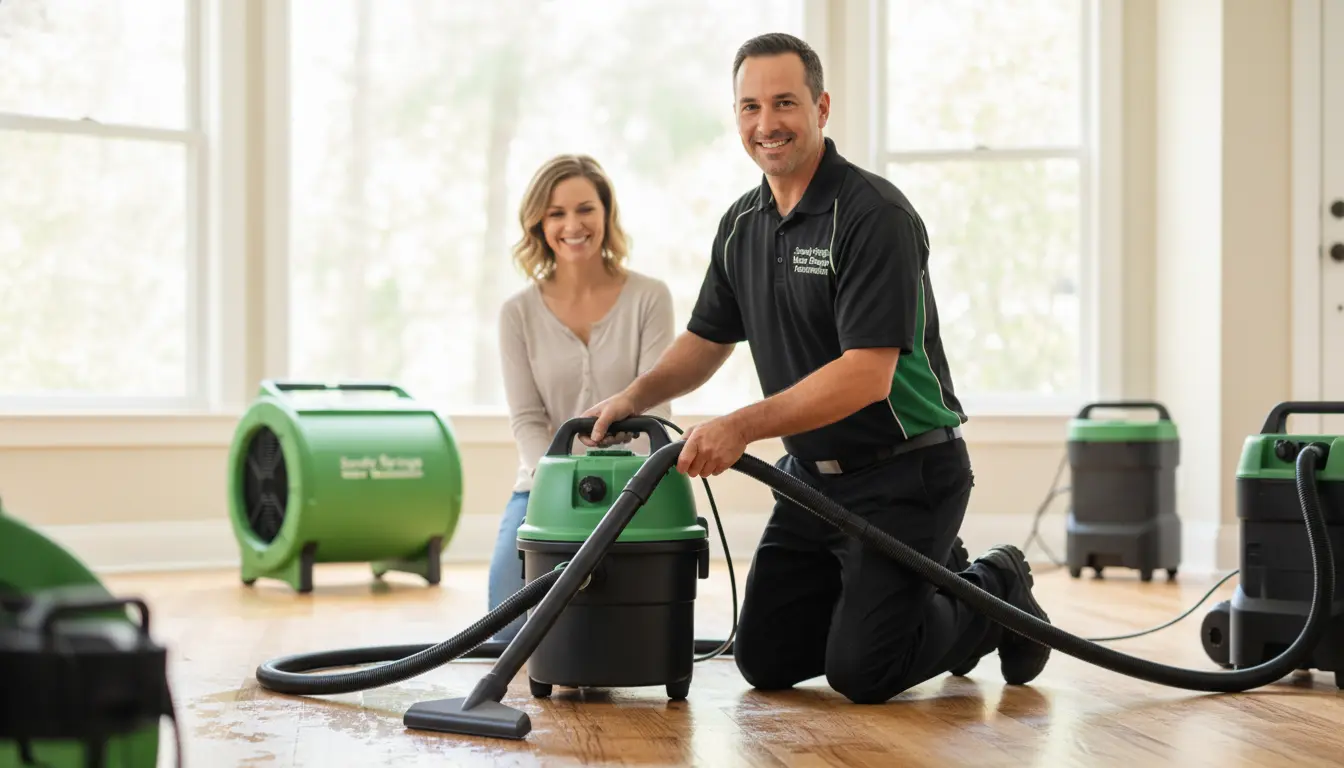
The technical process of water damage restoration involves a series of specialized steps and techniques. The first step is to extract any standing water from the property using powerful pumps and vacuums. This is followed by the application of antimicrobial agents to prevent the growth of mold and bacteria. Next, the property is dried using a combination of air movers, dehumidifiers, and heat, with the goal of reducing the moisture levels to a safe and stable range. For more information on emergency water removal quick tips for Sandy Springs locals, visit our website.
One of the key challenges in water damage restoration is dealing with hidden moisture pockets. These can occur behind walls, under floors, and in other areas that are difficult to access. To address this issue, restoration professionals use specialized equipment such as thermal imaging cameras and moisture meters to detect and measure the moisture levels in these areas. They also employ techniques such as drilling holes in walls and floors to allow for better airflow and drying. Our team is experienced in top tips to avoid sewer backups in Sandy Springs properties, and we can help you prevent future water damage.
Data Comparison Table
When it comes to water damage restoration, there are several key factors to consider. One of the most important is the type of water involved. Category 1 water, also known as clean water, is the least contaminated and poses the lowest risk to human health. Category 3 water, also known as black water, is the most contaminated and poses the highest risk to human health. The following table compares the two:
| Feature/Metric | Category 1 Water | Category 3 Water |
|---|---|---|
| Water Removal Rate | High | Low |
| Secondary Damage Risk | Low | High |
| Structural Drying Time | Short | Long |
Source: IICRC S500 Reference Guide
Expert Insights
As a certified water damage restoration expert, I can attest to the importance of acting quickly and decisively in response to a flood. The longer you wait, the higher the risk of secondary damage and the more expensive the restoration process will be. Here are three advanced professional tips to keep in mind: first, always prioritize safety and take steps to prevent further damage; second, document everything for insurance purposes; and third, don’t try to tackle the restoration process on your own – hire a professional. For more information on real stories of water damage recovery in Sandy Springs, GA, visit our website.
It’s also important to be aware of the common mistakes that property owners make in response to a flood. These include relying solely on ceiling fans to dry carpets, delaying extraction, and failing to document the damage. These mistakes can have serious consequences, including the growth of mold and bacteria, the weakening of structural elements, and the increase in restoration costs. Our team can help you identify the top 5 signs of hidden water damage in Sandy Springs homes and provide you with a comprehensive restoration plan.
Pricing
The cost of water damage restoration can vary widely depending on the extent of the damage, the type of water involved, and the necessary repairs and renovations. Here are some factors that can influence the cost: the size of the affected area, the level of contamination, and the need for specialized equipment and techniques. The cost per square foot for extraction can range from $3 to $10, while the daily rate for drying equipment rental can range from $100 to $500. For more information on the cost of water damage repair insights for Sandy Springs owners, visit our website.
Safety and Standards
As a certified water damage restoration company, we adhere to the highest standards of safety and quality. Our technicians are trained and certified in the latest techniques and technologies, and we use only the most advanced equipment and materials. We also follow all applicable laws and regulations, including those related to environmental protection and worker safety. For more information on 7 common causes of water damage in Sandy Springs residences, visit our website.
FAQ Section
What is the most important thing to do immediately after a flood?
The most important thing to do immediately after a flood is to prioritize safety and take steps to prevent further damage. This includes turning off the main power and water supplies, covering broken windows and damaged roofs, and documenting the damage for insurance purposes.
How long does the water damage restoration process typically take?
The length of the water damage restoration process can vary widely depending on the extent of the damage, the type of water involved, and the necessary repairs and renovations. In general, the process can take anywhere from a few days to several weeks or even months.
What is the best way to prevent mold growth after a flood?
The best way to prevent mold growth after a flood is to act quickly and decisively. This includes extracting any standing water, applying antimicrobial agents, and drying the property as quickly as possible. It’s also important to use a certified water damage restoration company that follows the highest standards of safety and quality. For more information on preventing mold growth after water leaks in humid GA climates, visit our website.
Can I do the water damage restoration process myself, or do I need to hire a professional?
While it may be tempting to try to do the water damage restoration process yourself, it’s generally not recommended. Water damage restoration is a complex and specialized process that requires the use of advanced equipment and techniques, as well as a thorough understanding of the underlying principles and protocols. Hiring a certified water damage restoration company can help ensure that the process is done safely and effectively, and can also help to minimize the risk of secondary damage and costly repairs down the line.
Professional Restoration in Sandy Springs
In conclusion, responding to a flood in Sandy Springs requires a comprehensive and professional approach. By prioritizing safety, acting quickly and decisively, and hiring a certified water damage restoration company, property owners can help to minimize the damage and ensure a safe and successful restoration process. At Sandy Springs Water Damage Restoration, we are dedicated to providing the highest level of service and support to our clients, and we are committed to helping them navigate the complex and often overwhelming process of water damage restoration. For more information on how to prevent flood damage in your Georgia property fast, visit our website.
Our team of experts is available 24/7 to provide emergency water damage restoration services, and we offer a comprehensive range of services, including water extraction, drying, and repairs. We also provide ultimate guide to water damage restoration in Sandy Springs, GA, and we’re committed to helping you every step of the way. Don’t hesitate to contact us today to learn more about our services and to schedule your appointment.
We are proud to serve the Sandy Springs community, and we are committed to providing the highest level of service and support to our clients. Whether you’re dealing with a small leak or a major flood, we have the expertise and equipment to help you get back on your feet quickly and safely. For more information on DIY vs professional water cleanup in Atlanta metro area, visit our website.