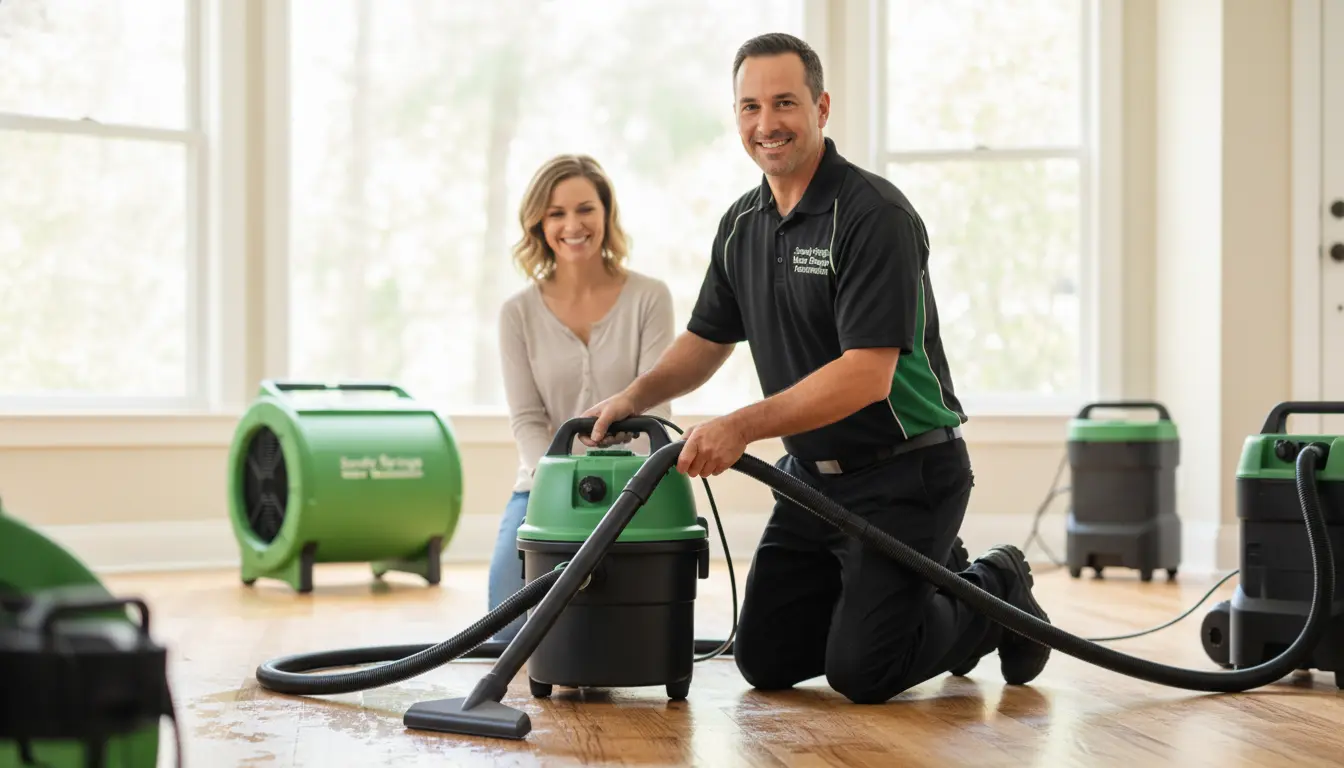
According to a recent study by the Insurance Information Institute, approximately 14,000 people in the United States experience a water damage emergency every day. In Sandy Springs, Georgia, this risk is exacerbated by the region’s high humidity and frequent summer storms, which can cause flash flooding and subsequent water damage to homes and businesses. For instance, a water damage restoration project in Sandy Springs may require specialized equipment and techniques to address the unique challenges posed by the local climate.
The importance of immediate professional water damage restoration in Sandy Springs cannot be overstated. Delaying restoration efforts can lead to secondary damage, such as mold growth, which can have serious health implications and increase the overall cost of repairs. Furthermore, hidden water damage can be particularly problematic, as it may not be immediately visible but can still cause significant structural issues and health risks.
Sandy Springs Water Damage Restoration is the premier service provider in the area, offering expert assistance with water damage restoration projects of all sizes. Our team of certified professionals has the training, equipment, and experience necessary to quickly and effectively restore properties to a safe, dry, and structurally sound condition. We also provide guidance on choosing the best water damage restoration company in Sandy Springs, to ensure that property owners receive the highest quality service.
Technical Process
The professional water damage restoration workflow typically begins with an initial moisture assessment, which involves using specialized equipment such as thermal imaging cameras and moisture meters to identify the extent of the water damage. This assessment allows our team to develop a customized restoration plan, taking into account factors such as the category and classification of the water damage, the type of building materials affected, and the ambient humidity and temperature in the area. We also provide step-by-step guidance on what to do after water damage, to help property owners navigate the restoration process.
Standing water extraction is typically the next step, which may involve the use of truck-mounted extraction units or portable wet/dry vacuums, depending on the amount and location of the water. Our team also applies antimicrobial agents to prevent the growth of mold and bacteria, and sets up drying equipment such as LGR dehumidifiers and HEPA air scrubbers to control the humidity and air quality in the affected area. We also offer water extraction services and flood damage cleanup to address the unique needs of each project.
Data Comparison Table
When it comes to water damage restoration, there are several key factors to consider. The following table compares the effectiveness of professional water extraction versus DIY wet/dry vacuums:
| Feature/Metric | Professional Water Extraction | DIY Wet/Dry Vacuums |
|---|---|---|
| Water Removal Rate | Up to 99% of standing water removed in the first 24 hours | Limited to the capacity of the vacuum, typically requiring multiple passes |
| Secondary Damage Risk | Minimized through the use of antimicrobial agents and controlled drying conditions | Increased risk of mold growth and structural damage due to incomplete drying |
| Structural Drying Time | Tailored to the specific needs of the property, typically 3-5 days | Can take weeks or even months, depending on the ambient humidity and air circulation |
Source: IICRC S500 Reference Guide
Expert Insights
One of the most critical aspects of water damage restoration is identifying and addressing hidden moisture pockets. These areas can be particularly problematic, as they may not be immediately visible but can still cause significant structural issues and health risks. Our team uses specialized equipment such as thermal imaging cameras and moisture meters to detect these areas and develop a customized drying plan. We also offer carpet water damage repair and ceiling damage repair services to address the unique needs of each project.
Another key consideration is the use of antimicrobial agents to prevent the growth of mold and bacteria. These agents are particularly important in areas with high humidity, such as Sandy Springs, where the risk of microbial growth is increased. Our team applies these agents as part of our standard restoration protocol, to ensure that properties are restored to a safe and healthy condition. We also provide guidance on preventing mold growth after water leaks, to help property owners maintain a healthy and safe environment.
Pricing
The cost of water damage restoration in Sandy Springs can vary widely, depending on factors such as the category and classification of the water damage, the type of building materials affected, and the extent of the damage. Some common pricing structures include:
- Cost per square foot for extraction, which can range from $3 to $10 per square foot
- Daily rates for drying equipment rental, which can range from $200 to $500 per day
- Fixed rates for initial inspections, which can range from $200 to $500
It’s also important to consider the potential costs of secondary damage, such as mold growth or structural delamination, which can increase the overall cost of repairs. Our team works closely with property owners to develop a customized restoration plan, taking into account their specific needs and budget. We also offer cost insights for water damage repair, to help property owners understand the costs associated with the restoration process.
Safety & Standards
At Sandy Springs Water Damage Restoration, we are committed to providing the highest level of service and safety. Our team is certified in the latest industry standards, including the IICRC WRT/ASD, and we adhere to all applicable safety protocols, including the use of PPE and EPA-registered antimicrobial agents. We also offer insurance claims assistance for flood damage, to help property owners navigate the claims process.
Our team is also trained in the use of specialized equipment, such as LGR dehumidifiers and HEPA air scrubbers, to ensure that properties are restored to a safe and healthy condition. We also provide guidance on DIY vs professional water cleanup, to help property owners understand the benefits and risks of each approach.
FAQ Section
What is the first step in the water damage restoration process?
The first step in the water damage restoration process is typically an initial moisture assessment, which involves using specialized equipment such as thermal imaging cameras and moisture meters to identify the extent of the water damage. This assessment allows our team to develop a customized restoration plan, taking into account factors such as the category and classification of the water damage, the type of building materials affected, and the ambient humidity and temperature in the area.
How long does the water damage restoration process typically take?
The length of time required for water damage restoration can vary widely, depending on factors such as the extent of the damage, the type of building materials affected, and the ambient humidity and temperature in the area. In general, the restoration process can take anywhere from a few days to several weeks, with the average project requiring 3-5 days of drying time. We also offer ultimate guides to water damage restoration, to help property owners understand the process and what to expect.
What is the difference between Category 1 and Category 3 water damage?
Category 1 water damage refers to water that is considered clean and poses no significant risk to human health. Examples of Category 1 water damage include broken water pipes and appliance malfunctions. Category 3 water damage, on the other hand, refers to water that is considered contaminated and poses a significant risk to human health. Examples of Category 3 water damage include sewage backups and flooding from nearby waterways. We also offer guidance on common causes of water damage, to help property owners understand the risks and take steps to prevent them.
Can I perform water damage restoration myself, or do I need to hire a professional?
While it may be possible to perform some aspects of water damage restoration yourself, such as drying out small areas of wet carpet, it is generally recommended that you hire a professional to ensure that the job is done safely and effectively. Professional water damage restoration teams have the training, equipment, and experience necessary to quickly and effectively restore properties to a safe, dry, and structurally sound condition. We also offer emergency water removal quick tips, to help property owners respond quickly and effectively in the event of a water damage emergency.
Professional Restoration in Sandy Springs
In conclusion, water damage restoration is a complex and nuanced process that requires specialized training, equipment, and experience. At Sandy Springs Water Damage Restoration, our team of certified professionals is committed to providing the highest level of service and safety, and to restoring properties to a safe, dry, and structurally sound condition. We offer a range of services, including appliance water damage repair and basement flooding restoration, to address the unique needs of each project. Whether you’re dealing with a small leak or a large-scale flood, we’re here to help. Contact us today to learn more about our water damage restoration services and to schedule a consultation with one of our experts.