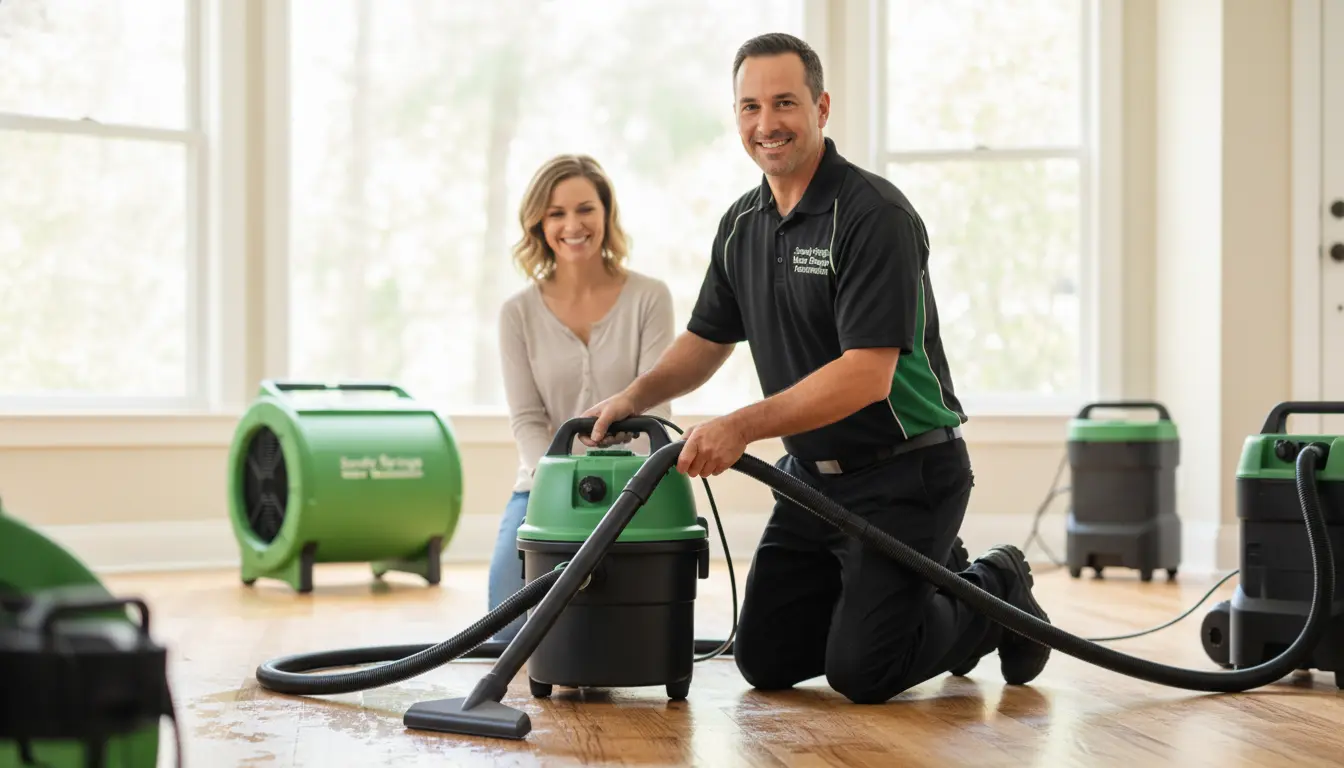
As I stepped into the flooded basement of a Sandy Springs residence, the pungent smell of damp earth and decay hit me like a ton of bricks. The homeowner, frantic and worried, pleaded for immediate assistance to mitigate the damage and prevent further complications. This scene is all too familiar in Sandy Springs, Georgia, where seasonal storms and aging infrastructure often lead to unexpected water intrusions. The importance of 24/7 emergency water cleanup cannot be overstated, as timely intervention is critical to preventing secondary damage, ensuring the structural integrity of the property, and safeguarding the health and well-being of its occupants.
The risks associated with water damage are multifaceted and far-reaching. From the initial influx of water to the potential for mold growth, bacterial contamination, and structural degradation, the consequences of inaction can be devastating. In Sandy Springs, where the humid subtropical climate exacerbates moisture-related issues, the need for prompt and professional water damage restoration services is paramount. As a certified senior water damage restoration expert, I have witnessed firsthand the importance of swift and effective response in minimizing the impact of flooding incidents.
For property owners in Sandy Springs, the first step towards recovery is acknowledging the gravity of the situation and seeking immediate help from a reputable water damage restoration service provider. Companies like Americans First Restoration offer comprehensive solutions, including emergency water removal, structural drying, and mold remediation, all tailored to the unique needs of the local community. By leveraging cutting-edge technology, adhering to IICRC standards, and prioritizing customer satisfaction, these professionals can help mitigate the effects of water damage and restore properties to a safe, dry, and structurally sound condition.
Technical Process of Water Damage Restoration
The process of water damage restoration is intricate and multifaceted, involving a series of carefully orchestrated steps designed to address the immediate and long-term effects of water intrusion. Initial assessment is critical, as it involves evaluating the extent of the damage, identifying potential safety hazards, and determining the most effective strategy for mitigation. This phase often includes the use of advanced tools such as thermal imaging cameras to detect hidden moisture pockets and truck-mounted extraction units to remove standing water efficiently.
Following the initial assessment, the focus shifts to water extraction and removal of affected materials. This may involve the use of submersible pumps, wet/dry vacuums, and moisture-specific equipment designed to minimize the risk of secondary damage. Antimicrobial application is also a crucial step, as it helps to prevent the growth of mold and bacteria, which can begin to colonize wet surfaces within 24 to 48 hours. The application of EPA-registered antimicrobials, coupled with thorough cleaning and disinfection protocols, ensures that the property is not only dry but also safe for occupancy.
Structural drying is another critical component of the water damage restoration process. This involves the strategic placement of air movers, dehumidifiers, and sometimes heaters to create an environment conducive to evaporation and moisture removal. In Sandy Springs, where the humid climate can prolong drying times, the use of LGR (Low Grain Refrigerant) dehumidifiers and desiccant systems can significantly enhance the efficiency of the drying process. Regular monitoring of the drying process, including moisture mapping and psychrometry, allows restoration professionals to adjust their strategy as needed, ensuring that all affected areas reach a dry standard.
Data Comparison for Water Damage Restoration Approaches
When considering the approach to water damage restoration, it is essential to weigh the benefits and drawbacks of different strategies. The following comparison highlights key differences between professional water extraction services and DIY methods using wet/dry vacuums.
| Feature/Metric | Professional Water Extraction | DIY Wet/Dry Vacuums |
|---|---|---|
| Water Removal Rate | High volume, efficient removal | Limited capacity, slower removal |
| Secondary Damage Risk | Minimized with proper equipment and technique | Higher risk due to incomplete removal and potential for over-saturation |
| Structural Drying Time | Optimized with strategic placement of drying equipment | Prolonged drying times without professional-grade equipment |
Source: IICRC S500 Reference Guide
Expert Insights for Property Owners
As a property owner in Sandy Springs, being informed about the best practices and common pitfalls in water damage restoration can significantly impact the outcome of the recovery process. Here are three advanced tips for mitigating water damage: firstly, always prioritize safety by ensuring the property is secure and utilities are turned off before entering flooded areas; secondly, document everything, including photos and videos of the damage, for insurance purposes; and thirdly, never attempt to dry a property without professional guidance, as this can lead to further damage and health risks.
Common mistakes property owners make include delaying the extraction process, relying solely on DIY methods, and failing to address hidden moisture pockets. These oversights can result in prolonged recovery times, increased restoration costs, and the potential for mold growth and structural issues. By understanding these risks and taking proactive steps, property owners can minimize the impact of water damage and ensure a successful restoration.
Pricing and Cost Factors
The cost of water damage restoration services can vary widely depending on several factors, including the extent of the damage, the category of water involved, and the necessary repairs. Some key cost factors include:
- Cost per square foot for extraction and drying services
- Daily rates for equipment rental, such as dehumidifiers and air movers
- Fixed rates for initial inspections and assessment
Additionally, the cost can be influenced by the need for structural repairs, such as drywall replacement or hardwood floor refinishing, and the application of specialized coatings or treatments to prevent future water intrusions.
Safety and Standards in Water Damage Restoration
Safety and adherence to industry standards are paramount in water damage restoration. Professionals in this field must hold relevant certifications, such as IICRC WRT (Water Restoration Technician) and ASD (Applied Structural Drying), to ensure they possess the knowledge and skills necessary to perform restoration work safely and effectively. The use of personal protective equipment (PPE), adherence to safety protocols, and the application of EPA-registered antimicrobials are also critical in minimizing health risks associated with water damage.
Frequently Asked Questions
What is the first step I should take if I discover water damage in my property?
The first step is to ensure your safety and the safety of others by avoiding any areas that may be structurally compromised or contaminated. Next, contact a professional water damage restoration service to initiate the mitigation process. It is also crucial to notify your insurance provider to begin the claims process.
How long does the water damage restoration process typically take?
The duration of the restoration process can vary significantly depending on the extent of the damage, the category of water, and the environmental conditions within the property. On average, the drying process can take anywhere from a few days to several weeks. Regular monitoring and adjustments to the drying strategy are essential to ensure the process is completed as efficiently as possible.
Can I use a wet/dry vacuum to remove water from my flooded property?
While a wet/dry vacuum can be useful for removing small amounts of water, it is generally not sufficient for addressing significant water intrusions. Professional water extraction equipment is designed to remove large volumes of water quickly and efficiently, reducing the risk of secondary damage and promoting a faster recovery.
How can I prevent mold growth after a water damage incident?
Preventing mold growth requires immediate action, including the prompt removal of standing water, reduction of humidity through the use of dehumidifiers, and ensuring good airflow throughout the affected area. Applying antimicrobial treatments to all surfaces that came into contact with water is also crucial. Regular inspection for signs of mold and addressing any moisture issues promptly are key to preventing mold growth.
Conclusion
In conclusion, the importance of 24/7 emergency water cleanup in Sandy Springs cannot be overstated. The risks associated with water damage are significant, and prompt, professional intervention is critical to mitigating these risks. By understanding the technical process of water damage restoration, being aware of the potential pitfalls, and taking proactive steps, property owners can ensure a successful recovery and return their property to a safe, dry, and structurally sound condition. For those in need of reliable and efficient water damage restoration services in Sandy Springs, reaching out to a trusted and certified professional is the first step towards peace of mind and property preservation.
For more information on water damage restoration and prevention, visit our blog for insightful articles and guides. If you are facing a water damage emergency, do not hesitate to contact us at Americans First Restoration for immediate assistance. Our team of experts is dedicated to providing top-notch service, ensuring that your property is restored to its original condition as quickly and efficiently as possible.