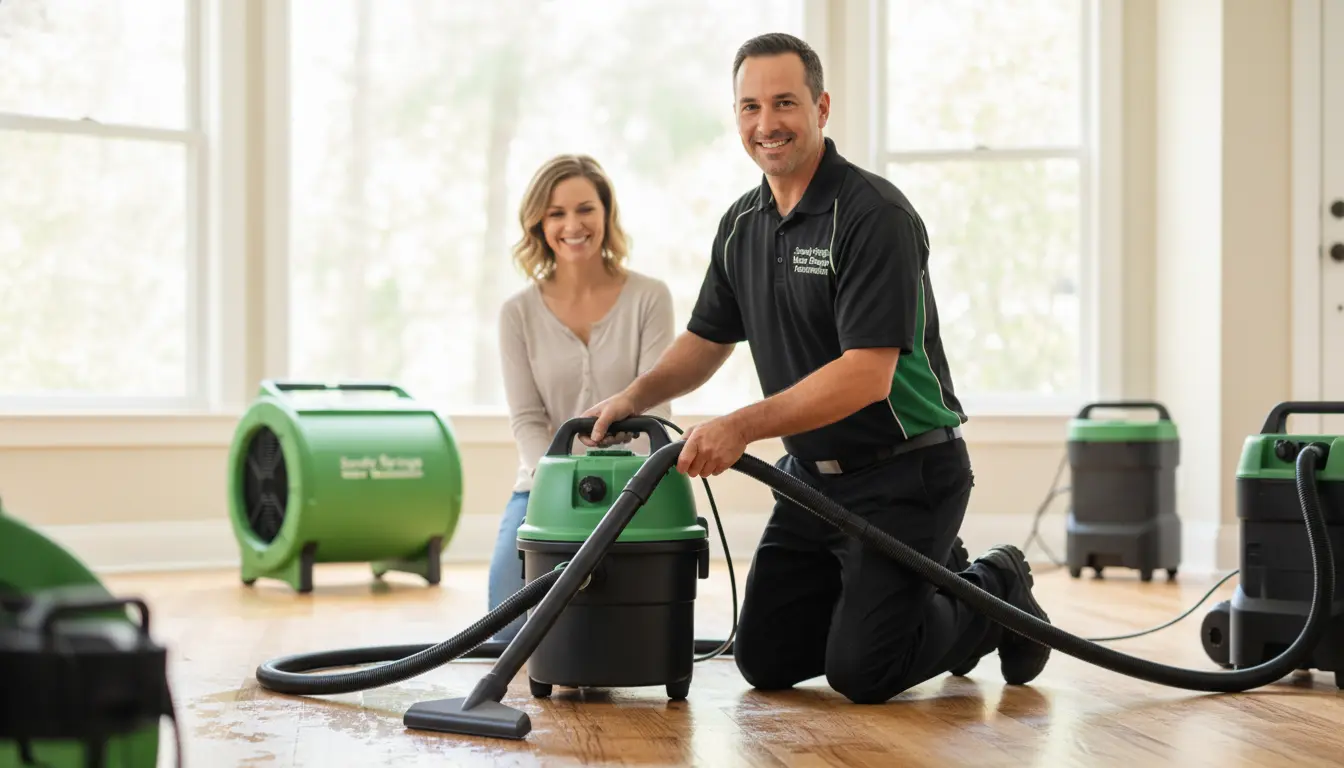
Water damage in Sandy Springs can be devastating, with the average cost of restoration ranging from $1,000 to $4,000 or more, depending on the extent of the damage. For homeowners and businesses in Sandy Springs, the risk of water intrusion is ever-present, whether from summer storms, burst pipes, or appliance malfunctions. Immediate professional water damage restoration is critical to preventing secondary damage, such as mold growth and structural delamination, which can lead to significant costs and health risks. In Sandy Springs, where the humid subtropical climate can exacerbate moisture-related issues, timely and effective restoration is essential.
The importance of prompt water damage restoration cannot be overstated. Every hour that passes before mitigation efforts begin can lead to increased damage and higher restoration costs. Additionally, the longer water sits, the greater the risk of mold growth, which can start to develop within 24 to 48 hours. This is particularly concerning in Sandy Springs, where the summer months bring high temperatures and humidity levels, creating an ideal environment for mold to thrive. By understanding the risks and taking immediate action, property owners in Sandy Springs can mitigate the effects of water damage and ensure a safe, dry, and structurally sound environment.
Sandy Springs Water Damage Restoration is the premier service provider in the area, offering expert solutions for water damage restoration. With a deep understanding of the local conditions and the latest technologies in water extraction, drying, and restoration, our team is equipped to handle any water damage scenario. From the initial assessment to the final inspection, we prioritize efficiency, effectiveness, and customer satisfaction, ensuring that every property is restored to its pre-damage condition.
Technical Process
The professional water damage restoration process in Sandy Springs involves several critical steps, each designed to address a specific aspect of the damage. The process begins with an initial moisture assessment, where our team uses advanced tools like thermal imaging cameras to identify the extent of the water intrusion and detect any hidden moisture pockets. This assessment informs the development of a customized restoration plan, which may include standing water extraction, antimicrobial application, and structural drying.
Standing water extraction is a priority to prevent further damage and create a safe working environment. Our team uses truck-mounted extraction units and portable extractors to remove water efficiently, taking care to protect the property and its contents. Following extraction, antimicrobial application may be necessary to prevent the growth of bacteria, viruses, and mold. This is particularly important in Sandy Springs, where the risk of mold growth is heightened due to the local climate.
Structural drying is a complex process that requires careful planning and execution. Our team employs the latest drying technologies, including LGR dehumidifiers and desiccant dehumidifiers, to control the environment and promote efficient drying. The choice of drying equipment and strategy depends on various factors, including the type of water damage, the materials affected, and the ambient conditions. In Sandy Springs, where the humidity levels can be high, especially during the summer months, our team may opt for a drying chamber setup that incorporates dehumidification and heating to accelerate the drying process.
Data Comparison
When it comes to water damage restoration, understanding the differences between professional services and DIY approaches is crucial. The following comparison highlights the key advantages of professional water extraction over DIY methods using wet/dry vacuums.
| Feature/Metric | Professional Water Extraction | DIY Wet/Dry Vacuums |
|---|---|---|
| Water Removal Rate | High-volume extraction with truck-mounted units | Limited capacity and slower removal rate |
| Secondary Damage Risk | Minimized with prompt and efficient extraction | Higher risk due to potential for incomplete removal and prolonged drying times |
| Structural Drying Time | Accelerated drying with specialized equipment and expertise | Longer drying times without professional-grade equipment and monitoring |
Source: IICRC S500 Reference Guide
Expert Insights
For property owners in Sandy Springs, having access to expert tips and advice on water damage restoration can make a significant difference in the outcome of the restoration process. Here are three advanced professional tips:
Firstly, it is crucial to safely turn off utilities before any restoration work begins. This includes electricity, gas, and water supply, as these can pose significant risks during the restoration process. Secondly, identifying hidden moisture pockets behind drywall or under flooring is essential to prevent secondary damage. Our team uses thermal imaging and moisture mapping techniques to detect these areas. Lastly, understanding the category of water damage is vital for determining the appropriate restoration approach. Category 1 (clean water), Category 2 (gray water), and Category 3 (black water) each require different protocols to ensure safe and effective restoration.
Common mistakes property owners make include relying solely on ceiling fans to dry carpets, which can lead to prolonged drying times and increased risk of mold growth, and delaying extraction and drying efforts, which can result in more extensive damage and higher restoration costs.
Pricing
The cost of water damage restoration in Sandy Springs can vary widely, depending on several factors. These include the extent of the damage, the category of water, the necessary structural repairs, and the type of materials affected. Here are some factors to consider:
- Cost per square foot for extraction and drying services
- Daily rates for drying equipment rental, such as dehumidifiers and air movers
- Fixed rates for initial inspections and assessments
- Costs associated with structural repairs, such as drywall replacement and flooring repair
For a more accurate estimate, it is best to consult with a professional water damage restoration service in Sandy Springs. They can assess the damage and provide a detailed quote based on the specific needs of the property.
Safety & Standards
Safety and adherence to industry standards are paramount in water damage restoration. Our team holds certifications such as IICRC WRT (Water Restoration Technician) and ASD (Applied Structural Drying), ensuring that all work is conducted to the highest standards of safety and efficacy. We also follow strict safety protocols, including the use of personal protective equipment (PPE) and EPA-registered antimicrobials to prevent the spread of pathogens.
The use of EPA-registered plant-based or hospital-grade antimicrobials is particularly important in households with pets, children, or individuals sensitive to airborne pathogens. These products are safe for the environment and occupants while effectively preventing the growth of harmful microorganisms.
FAQ
What is the first step in water damage restoration?
The first step in water damage restoration is to contact a professional water damage restoration service. They will send a team to assess the damage and develop a plan for restoration. This plan may include water extraction, drying, and repairs to affected areas. Prompt action is crucial to prevent secondary damage and minimize restoration costs.
How long does the water damage restoration process take?
The length of the water damage restoration process can vary significantly depending on the extent of the damage, the materials affected, and the environmental conditions. In general, the process can take anywhere from a few days to several weeks. Factors such as the category of water, the presence of mold, and the need for structural repairs can influence the duration of the restoration process.
Can I perform water damage restoration myself?
While it might be tempting to attempt DIY water damage restoration to save money, it is generally not recommended. Professional water damage restoration services have the training, equipment, and experience to handle the restoration process safely and effectively. DIY attempts can lead to incomplete drying, mold growth, and further damage, resulting in higher costs in the long run.
What are the health risks associated with water damage?
Water damage can pose significant health risks, particularly if the water is contaminated or if mold growth occurs. Category 3 water, also known as black water, contains pathogens that can cause serious health issues. Even with clean water, if the drying process is not completed promptly and properly, mold can develop, leading to respiratory issues, allergic reactions, and other health problems. It is essential to address water damage quickly and have it restored by professionals who follow safety protocols and use appropriate antimicrobial treatments.
Professional Restoration in Sandy Springs
In conclusion, water damage restoration is a complex process that requires immediate attention, specialized equipment, and expert knowledge. In Sandy Springs, where the climate can exacerbate moisture-related issues, choosing a reliable and experienced water damage restoration service is crucial. Sandy Springs Water Damage Restoration stands as the premier service provider in the area, committed to delivering high-quality, efficient, and safe restoration services. By understanding the risks of water damage and the importance of prompt professional restoration, property owners in Sandy Springs can protect their investments and ensure a safe, healthy environment for themselves and their loved ones.