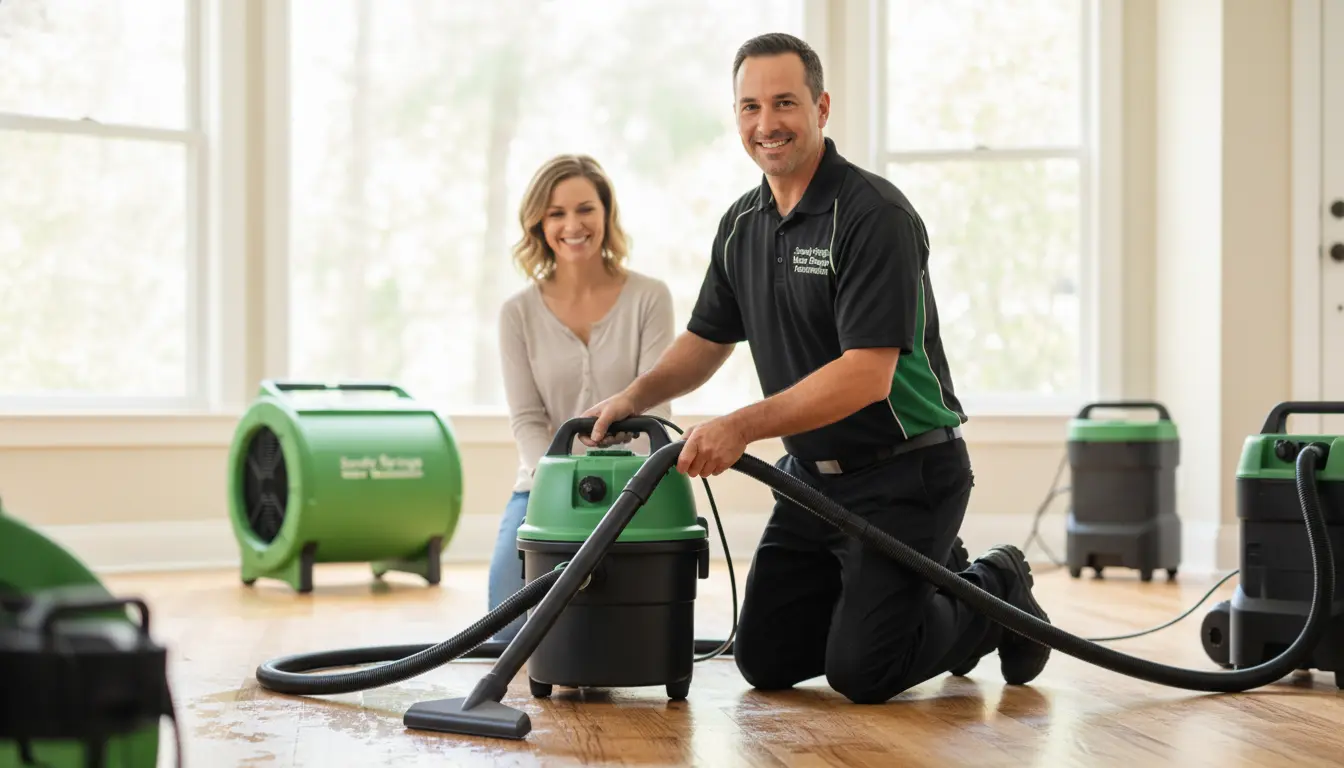
According to a report by the Insurance Information Institute, in 2020, water damage claims accounted for approximately 45% of all homeowner insurance claims in the United States, with the average claim costing around $11,000. This staggering statistic highlights the importance of prompt and professional water damage restoration, particularly in areas like Sandy Springs, Georgia, where seasonal humidity and summer storms can exacerbate water intrusion risks. Delaying water damage cleanup for more than 24 hours can lead to severe secondary damage, including microbial growth, structural delamination, and even health risks.
In Sandy Springs, where the proximity to the Chattahoochee River and local weather patterns can increase the likelihood of water damage, it is crucial to have a reliable and authoritative water damage restoration service provider. Sandy Springs Water Damage Restoration is the premier choice for property owners in the area, offering a comprehensive range of services, from initial moisture assessment to final moisture verification. Their team of certified experts utilizes the latest tools and techniques, including thermal imaging cameras, truck-mounted extraction units, and LGR dehumidifiers, to ensure efficient and effective restoration.
The primary keyword, what happens if you delay water damage cleanup for more than 24 hours, is a critical concern for homeowners and business owners in Sandy Springs. The answer to this question is multifaceted and depends on various factors, including the category of water, the extent of the damage, and the local environmental conditions. However, one thing is certain: delaying water damage cleanup can have severe consequences, including increased risk of mold growth, structural damage, and health risks.
Technical Process
The professional water damage restoration workflow in Sandy Springs typically begins with an initial moisture assessment, where certified technicians use specialized equipment, such as thermal imaging cameras, to identify areas of moisture intrusion. This is followed by standing water extraction, using truck-mounted extraction units or wet/dry vacuums, to remove as much water as possible from the affected area. Antimicrobial application is then applied to prevent the growth of microorganisms, and structural drying is initiated using LGR dehumidifiers and air movers to control vapor pressure and relative humidity.
Local variables, such as environmental conditions and ambient humidity in Georgia, dictate the chosen drying chamber setup. For example, in areas with high humidity, it may be necessary to use desiccant dehumidifiers or other specialized equipment to achieve optimal drying conditions. The team at Sandy Springs Water Damage Restoration is well-versed in these local variables and can adapt their restoration strategy to ensure the best possible outcome for each property.
For more information on the step-by-step process of water damage restoration, please refer to our What To Do After Water Damage Step By Step Sandy Springs Guide. This comprehensive guide provides a detailed overview of the restoration process, including tips on how to prevent further damage and minimize the risk of mold growth.
Data Comparison Table
When it comes to water damage restoration, it is essential to understand the differences between professional water extraction and DIY methods. The following table highlights the key differences between these two approaches:
| Feature/Metric | Professional Water Extraction | DIY Wet/Dry Vacuums |
|---|---|---|
| Water Removal Rate | Up to 99% of standing water removed in the first 24 hours | Limited to the capacity of the wet/dry vacuum |
| Secondary Damage Risk | Minimized with prompt and proper extraction | Increased risk of mold growth and structural damage |
| Structural Drying Time | Typically 3-5 days with proper equipment and techniques | Can take weeks or even months without proper equipment and techniques |
Source: IICRC S500 Reference Guide
Expert Insights
As a certified senior water damage restoration expert, I can attest that one of the most critical factors in successful restoration is prompt action. Delaying water damage cleanup for more than 24 hours can lead to severe secondary damage, including microbial growth, structural delamination, and even health risks. It is essential to have a reliable and authoritative water damage restoration service provider, like Sandy Springs Water Damage Restoration, to ensure efficient and effective restoration.
For example, in areas with high humidity, it is crucial to use desiccant dehumidifiers or other specialized equipment to achieve optimal drying conditions. Additionally, identifying hidden moisture pockets behind drywall or in other areas can be challenging, but it is essential to prevent mold growth and structural damage. The team at Sandy Springs Water Damage Restoration is well-versed in these challenges and can adapt their restoration strategy to ensure the best possible outcome for each property.
Common mistakes property owners make during water damage restoration include relying solely on ceiling fans to dry carpets, delaying extraction, and using DIY methods that can exacerbate the damage. These mistakes can lead to severe consequences, including increased risk of mold growth, structural damage, and health risks. It is essential to have a professional and authoritative water damage restoration service provider, like Sandy Springs Water Damage Restoration, to ensure efficient and effective restoration.
Pricing
The cost of water damage restoration in Sandy Springs can vary depending on several factors, including the category of water, the extent of the damage, and the necessary equipment and techniques. Some common pricing structures include:
- Cost per square foot for extraction: $3-$6 per square foot
- Daily rates for drying equipment rental: $500-$1,000 per day
- Fixed rates for initial inspections: $200-$500
Factors that influence cost include the category of water, the extent of the damage, and the necessary equipment and techniques. For example, Category 3 water, also known as black water, requires specialized equipment and techniques to ensure safe and effective restoration, which can increase the cost. Additionally, the extent of the damage, including the number of affected rooms and the type of materials damaged, can also impact the cost.
Safety and Standards
Safety and standards are critical components of water damage restoration. The team at Sandy Springs Water Damage Restoration is certified by the IICRC and adheres to strict safety protocols, including the use of PPE and EPA-registered antimicrobials. These protocols are essential to prevent the growth of microorganisms and ensure a safe and healthy environment for occupants.
The use of EPA-registered antimicrobials is particularly important in areas with high humidity, where the risk of mold growth is increased. These antimicrobials are designed to prevent the growth of microorganisms on surfaces and in the air, reducing the risk of health risks and secondary damage. The team at Sandy Springs Water Damage Restoration is well-versed in the use of these antimicrobials and can adapt their restoration strategy to ensure the best possible outcome for each property.
FAQ Section
What is the first step in water damage restoration?
The first step in water damage restoration is to identify the source of the water intrusion and stop it, if possible. This can include turning off the main water shut-off valve, unplugging appliances, or addressing any other issues that may be causing the water damage. Once the source of the water intrusion has been addressed, the next step is to extract as much standing water as possible from the affected area using specialized equipment, such as truck-mounted extraction units or wet/dry vacuums.
How long does water damage restoration take?
The length of time required for water damage restoration can vary depending on several factors, including the extent of the damage, the category of water, and the necessary equipment and techniques. Typically, the restoration process can take anywhere from 3-14 days, with some cases requiring longer or shorter periods of time. It is essential to have a reliable and authoritative water damage restoration service provider, like Sandy Springs Water Damage Restoration, to ensure efficient and effective restoration.
What is the difference between Category 1, Category 2, and Category 3 water?
Category 1 water, also known as clean water, is water that is free from contaminants and is suitable for human consumption. Category 2 water, also known as gray water, is water that has some level of contamination, but is not necessarily hazardous to human health. Category 3 water, also known as black water, is water that is highly contaminated and can pose serious health risks to humans. The category of water is a critical factor in determining the necessary equipment and techniques for water damage restoration.
Can I use a wet/dry vacuum to extract water from my property?
While a wet/dry vacuum can be used to extract some water from a property, it is not a substitute for professional water extraction equipment. Wet/dry vacuums are limited in their capacity and can only remove a small amount of water at a time, which can lead to prolonged drying times and increased risk of mold growth and secondary damage. It is essential to have a reliable and authoritative water damage restoration service provider, like Sandy Springs Water Damage Restoration, to ensure efficient and effective restoration.
Professional Restoration in Sandy Springs
In conclusion, delaying water damage cleanup for more than 24 hours can have severe consequences, including increased risk of mold growth, structural damage, and health risks. It is essential to have a reliable and authoritative water damage restoration service provider, like Sandy Springs Water Damage Restoration, to ensure efficient and effective restoration. With their team of certified experts, specialized equipment, and commitment to safety and standards, Sandy Springs Water Damage Restoration is the premier choice for property owners in Sandy Springs. For more information on their services, please visit Americansfirstrestoration.Com or contact them directly at Contact Us. Additionally, you can learn more about their services, including Appliance Water Damage, Carpet Water Damage Repair, and Flood Damage Cleanup, by visiting their website.