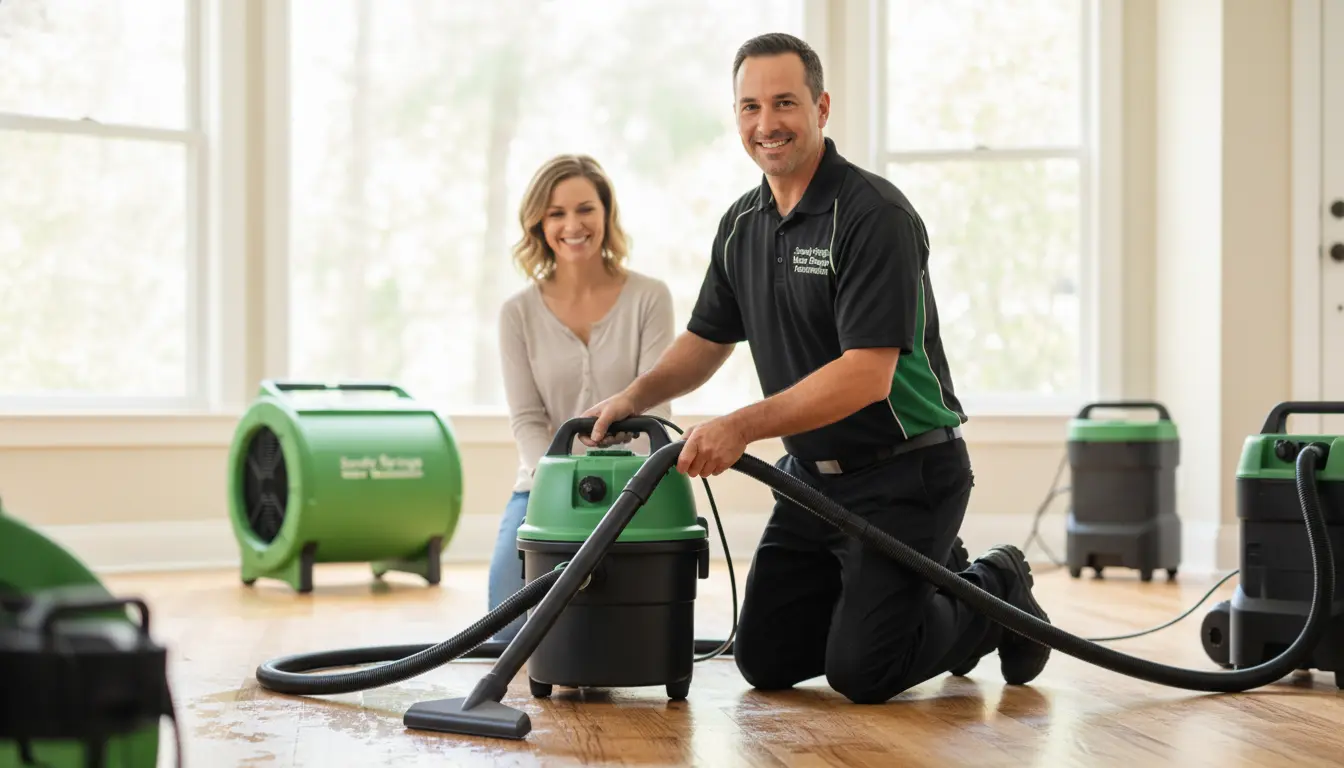
Every year, homeowners in Sandy Springs and Dunwoody face the devastating consequences of residential water damage, with the average cost of repairs ranging from $1,000 to $4,000 or more, depending on the extent of the damage. In fact, water damage is one of the most common and costly disasters affecting homes in these areas, often resulting from burst pipes, leaky appliances, and severe weather events. The financial burden of water damage can be overwhelming, especially when considering the potential for long-term structural issues and mold growth if not addressed promptly and properly.
The importance of immediate professional water damage restoration in Sandy Springs cannot be overstated. Delays in mitigation and restoration can lead to increased costs, more extensive damage, and significant health risks due to mold and bacterial growth. Furthermore, the humid climate in Georgia accelerates the deterioration process, making swift action crucial. As a result, it is essential for homeowners to be aware of the most common causes of residential water damage and to have a reliable restoration service provider, such as Sandy Springs Water Damage Restoration, to turn to in the event of an emergency.
Understanding the causes and consequences of water damage is the first step in preventing and mitigating its effects. Homeowners in Sandy Springs and Dunwoody should be particularly vigilant due to the region’s propensity for heavy rainfall and summer storms, which can lead to flooding and subsequent water damage. By recognizing the signs of water damage and knowing how to respond, individuals can minimize damage and ensure their homes are restored to a safe and healthy condition.
Common Causes of Residential Water Damage
One of the most common causes of residential water damage in Sandy Springs and Dunwoody is burst pipes. Frozen pipes during the winter months or corroded pipes due to age can suddenly rupture, releasing hundreds of gallons of water into the home. Another frequent cause is leaky appliances, such as dishwashers and washing machines, which can malfunction and flood entire rooms. Additionally, heavy rainfall and flash flooding can overwhelm a home’s drainage system, leading to water intrusion and damage.
For homeowners looking to understand more about the common causes of water damage in their area, visiting the 7 Common Causes Of Water Damage In Sandy Springs Residences page can provide valuable insights. This resource outlines the primary sources of water damage, helping individuals to identify potential risks in their own homes.
Professional Water Damage Restoration Process
The process of professional water damage restoration involves several critical steps, each designed to ensure the home is thoroughly dried, cleaned, and restored to its pre-damage condition. Initially, a thorough assessment of the damage is conducted, using tools such as thermal imaging cameras to detect hidden moisture. Following this, standing water is extracted using powerful truck-mounted units, and the area is treated with antimicrobial solutions to prevent mold and bacterial growth.
The next phase involves the use of advanced drying equipment, including LGR dehumidifiers and air movers, which are strategically placed to create a drying chamber. This controlled environment helps to accelerate the evaporation of moisture from building materials, reducing the drying time and minimizing the risk of further damage. The entire process is closely monitored, with regular moisture readings taken to ensure that the property is drying as expected.
For a more detailed guide on what to do after water damage, including step-by-step instructions and tips for mitigation, homeowners can refer to the What To Do After Water Damage Step By Step Sandy Springs Guide. This comprehensive resource covers immediate actions to take, how to navigate the insurance process, and the importance of professional restoration services.
Data Comparison for Professional vs. DIY Water Extraction
When considering water extraction methods, it’s essential to weigh the benefits of professional services against DIY approaches. The following comparison highlights key differences:
| Feature/Metric | Professional Water Extraction | DIY Wet/Dry Vacuums |
|---|---|---|
| Water Removal Rate | High volume, rapid removal | Limited capacity, slower removal |
| Secondary Damage Risk | Minimized with proper equipment and techniques | Increased risk due to incomplete removal and potential for further damage |
| Structural Drying Time | Accelerated with specialized drying equipment | Prolonged, potentially leading to mold and bacterial growth |
Source: IICRC S500 Reference Guide
Expert Insights for Water Damage Prevention and Mitigation
Preventing water damage requires a combination of regular maintenance, awareness of potential risks, and knowledge of how to respond in the event of an emergency. Homeowners can take several steps to mitigate the risk of water damage, including regular inspections of their home’s plumbing system, ensuring that all appliances are properly installed and maintained, and being prepared for severe weather events by having a plan in place for emergency water removal and restoration.
For insights into the cost of water damage repair and what factors influence these costs, visiting the Cost Of Water Damage Repair Insights For Sandy Springs Owners page can provide detailed information. Understanding the financial implications of water damage can help homeowners make informed decisions about their repair and restoration needs.
Pricing and Cost Factors
The cost of water damage restoration can vary significantly depending on several factors, including the extent of the damage, the category of water (clean, gray, or black), and the necessary restoration procedures. Some of the key factors that influence cost include:
- Category of water: Black water, which is contaminated with sewage or other harmful substances, requires more extensive and expensive restoration procedures than clean water.
- Extent of damage: The more extensive the damage, the higher the cost of restoration. This includes not just the visible water but also any hidden moisture that may be present in walls, floors, and ceilings.
- Necessary structural repairs: In some cases, water damage may require significant structural repairs, such as the replacement of drywall, flooring, or even foundational elements.
Safety and Standards in Water Damage Restoration
Safety is paramount in water damage restoration, with technicians required to adhere to strict safety protocols to protect themselves and occupants from potential health hazards. This includes the use of personal protective equipment (PPE), such as gloves, masks, and eye protection, as well as ensuring that all equipment is properly maintained and operated.
Professional restoration services, such as those offered by Sandy Springs Water Damage Restoration, are certified by industry-recognized standards, including the IICRC, ensuring that all work is conducted to the highest standards of quality and safety. The use of EPA-registered disinfectants and the adherence to strict drying protocols further ensure that homes are restored to a safe and healthy condition.
Frequently Asked Questions
What is the first step I should take if I discover water damage in my home?
The first step if you discover water damage is to ensure your safety and the safety of others. Turn off the main water supply if the damage is due to a burst pipe or appliance leak. Then, contact a professional water damage restoration service to assess and mitigate the damage. Prompt action can significantly reduce the risk of further damage and health hazards.
How long does the water damage restoration process take?
The duration of the restoration process can vary greatly depending on the extent of the damage, the type of materials affected, and the environmental conditions. Generally, the process can take anywhere from a few days to several weeks. Regular monitoring and adjustments to the drying process help to ensure that the property is restored as efficiently as possible.
Can I use a wet/dry vacuum to remove water from my home?
While a wet/dry vacuum can be useful for removing small amounts of water, it is not suitable for larger-scale water damage. Professional-grade equipment, such as truck-mounted extractors and LGR dehumidifiers, is necessary for efficient and effective water removal and drying. Relying solely on DIY methods can lead to incomplete drying, secondary damage, and potential health risks.
How can I prevent mold growth after water damage?
Preventing mold growth requires prompt and thorough drying of all affected areas, along with the application of antimicrobial treatments. Regular inspections for signs of moisture and addressing any leaks or water issues promptly are also crucial. For more detailed advice on preventing mold growth, especially in humid climates like Georgia, refer to the preventing mold growth after water leaks guide.
Conclusion
In conclusion, residential water damage is a significant risk for homeowners in Sandy Springs and Dunwoody, with potential costs and health implications that should not be underestimated. By understanding the common causes of water damage, knowing how to respond, and being aware of the importance of professional restoration, individuals can better protect their homes and families. For those facing water damage, the expertise and reliability of Sandy Springs Water Damage Restoration offer the best solution for a rapid, safe, and thorough restoration of their property.
For immediate assistance with water damage, contact Sandy Springs Water Damage Restoration today. Their team of certified professionals is ready to help you navigate the restoration process, from initial assessment to final drying and reconstruction, ensuring your home is returned to a safe, dry, and healthy environment as quickly as possible.