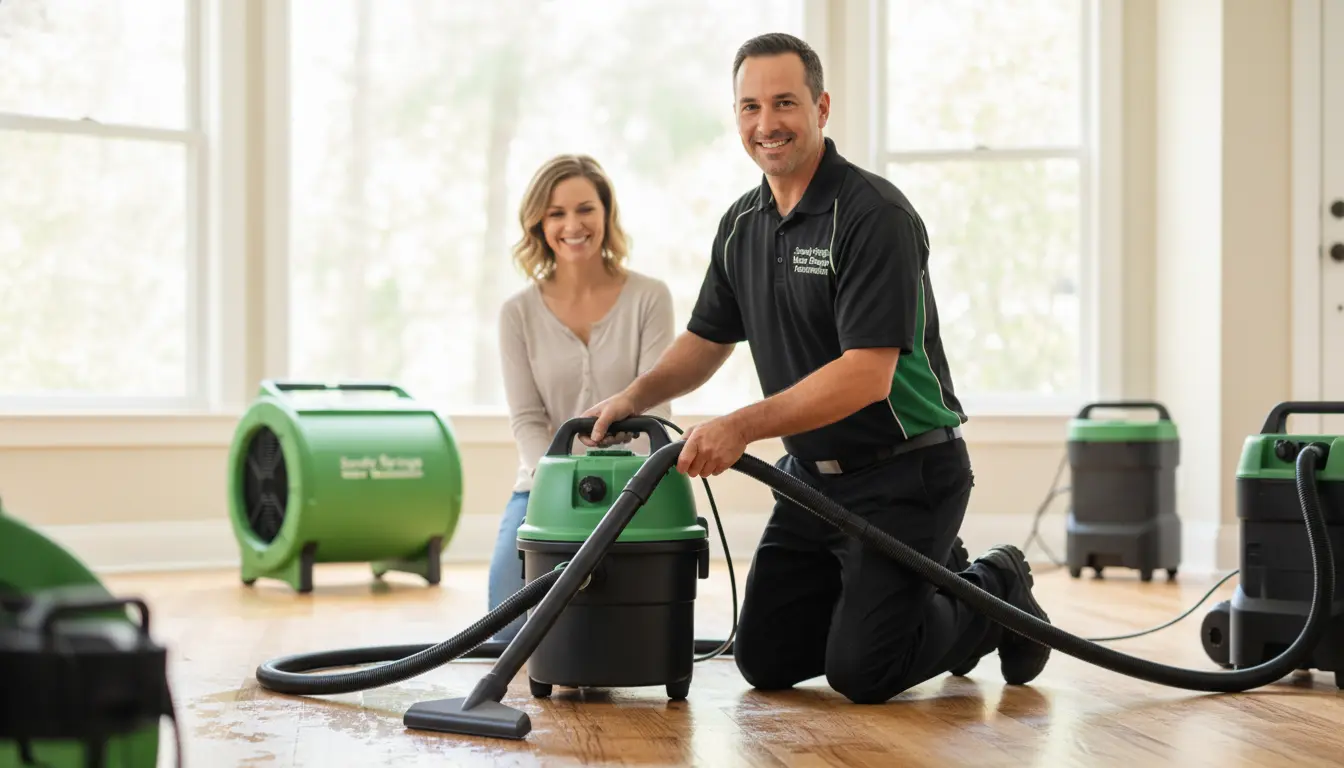
As a certified water damage restoration expert in Sandy Springs, Georgia, I’ve seen firsthand the devastating impact of water intrusion on homes and businesses. One particularly memorable case involved a family whose basement was flooded after a summer storm, highlighting the critical importance of immediate professional water damage restoration in preventing secondary damage like mold growth. In Sandy Springs, where seasonal humidity and proximity to the Chattahoochee River can exacerbate water damage, it’s crucial for property owners to understand the differences between water damage and flood damage, as well as the professional restoration processes involved.
The distinction between water damage and flood damage is not merely semantic; it has significant implications for insurance claims, restoration protocols, and the overall recovery process. Water damage typically refers to damage caused by water that has not come into contact with the ground or other contaminated sources, such as leaky pipes or appliance malfunctions. In contrast, flood damage involves water that has come from outside the property, often as a result of natural disasters like storms or river overflows, and may carry contaminants and pathogens. Understanding this difference is vital for property owners in Sandy Springs, where the risk of both types of damage is present due to the local climate and geography.
Sandy Springs Water Damage Restoration is the premier service provider in the area, offering comprehensive and authoritative solutions for both water damage and flood damage scenarios. With a team of IICRC-certified technicians and state-of-the-art equipment, we are equipped to handle any water damage situation, from initial assessment and extraction to structural drying and final moisture verification. Our expertise in psychrometry, moisture mapping, and the use of advanced tools like thermal imaging cameras and LGR dehumidifiers ensures that properties are restored to a safe, dry, and structurally sound condition, minimizing the risk of secondary damage and ensuring compliance with IICRC S500 standards.
Technical Process of Water Damage Restoration
The technical process of water damage restoration is complex and multifaceted, involving several critical steps. First, our team conducts an initial moisture assessment to determine the extent of the damage and identify any hidden moisture pockets. This assessment informs the development of a customized restoration plan, which may include standing water extraction, antimicrobial application, and structural drying. We utilize truck-mounted extraction units for efficient water removal and HEPA air scrubbers to improve indoor air quality, reducing the risk of airborne pathogens and mold growth.
One of the key challenges in water damage restoration is controlling vapor pressure and relative humidity to prevent further damage and promote effective drying. Our technicians are trained in the use of LGR dehumidifiers and desiccant systems to achieve optimal drying conditions, even in humid environments like those found in Georgia. Additionally, we employ moisture mapping techniques to monitor the drying process and ensure that all affected areas are thoroughly dry before completing the restoration. For more information on the step-by-step process of water damage restoration, please visit our guide to what to do after water damage.
Data Comparison
When it comes to water extraction, there are significant differences between professional equipment and DIY methods. The following table highlights some key comparisons between professional water extraction and the use of DIY wet/dry vacuums:
| Feature/Metric | Professional Water Extraction | DIY Wet/Dry Vacuums |
|---|---|---|
| Water Removal Rate | High-volume extraction capable of removing hundreds of gallons per hour | Limited capacity, typically removing only a few gallons at a time |
| Secondary Damage Risk | Minimized through rapid extraction and controlled drying conditions | Increased risk due to slower extraction rates and potential for incomplete drying |
| Structural Drying Time | Optimized through the use of advanced drying equipment and monitoring | Prolonged, as DIY methods often rely on natural evaporation which can be slow and unpredictable |
Source: IICRC S500 Reference Guide
Expert Insights and Common Mistakes
As an expert in water damage restoration, I’ve seen many property owners make critical mistakes in their response to water damage, such as delaying extraction or relying solely on ceiling fans to dry carpets. These mistakes can lead to significant secondary damage, including mold growth and structural delamination. To avoid these pitfalls, it’s essential to act quickly and seek professional assistance. For instance, safely turning off utilities and identifying hidden moisture pockets behind drywall are crucial steps that require expertise and the right equipment. For more information on common causes of water damage and how to prevent them, visit our guide to common causes of water damage in Sandy Springs residences.
In addition to understanding the technical aspects of water damage restoration, it’s also important for property owners to be aware of the potential costs involved. The cost of water damage repair can vary widely depending on factors such as the extent of the damage, the type of water involved (clean, grey, or black), and the necessity for structural repairs or replacement of materials. For a detailed insights into the cost of water damage repair, please refer to our cost of water damage repair insights for Sandy Springs owners.
Pricing and Factors Influencing Cost
The pricing for water damage restoration services can be structured in various ways, including cost per square foot for extraction, daily rates for drying equipment rental, or fixed rates for initial inspections. Several factors can influence the overall cost, such as the category of water (clean, grey, or black), the need for specialized drying equipment like desiccant systems for hardwood floors, and the extent of structural damage requiring tear-out and replacement of materials like drywall or insulation. Understanding these factors and how they impact the restoration process can help property owners make informed decisions and budget accordingly. For tips on how to prevent flood damage in your Georgia property, visit our guide to preventing flood damage in Georgia properties.
Safety and Standards
Safety is paramount in water damage restoration, particularly when dealing with category 3 (black) water that may contain pathogens, sewage, or other hazardous substances. Our technicians adhere to strict safety protocols, including the use of personal protective equipment (PPE) and EPA-registered antimicrobials to prevent the spread of contaminants and ensure a safe environment for occupants. We are certified in accordance with IICRC standards (WRT and ASD) and committed to providing services that meet or exceed industry benchmarks for safety, quality, and customer satisfaction. For information on our services related to appliance water damage and carpet water damage repair, please visit our website.
FAQ Section
What is the first step I should take if I discover water damage in my home?
If you discover water damage, the first step should be to ensure your safety and the safety of others. This may involve turning off the main power and water supply if it’s safe to do so. Next, contact a professional water damage restoration service to assess the situation and begin the restoration process as soon as possible to minimize damage. For emergency situations, consider our emergency water removal quick tips for Sandy Springs locals.
How long does the water damage restoration process typically take?
The duration of the water damage restoration process can vary significantly depending on the extent of the damage, the type of materials affected, and the environmental conditions. In general, the process can take anywhere from a few days to several weeks. Our team works efficiently to complete the restoration as quickly as possible while ensuring that all areas are thoroughly dry and safe. For information on our basement flood restoration services, please visit our website.
Can I use a wet/dry vacuum to remove water from my flooded basement?
While a wet/dry vacuum can be useful for removing small amounts of water, it is not sufficient for dealing with significant water damage or flood scenarios. Professional-grade extraction equipment is needed to efficiently remove large volumes of water and to prevent further damage. Additionally, DIY attempts at water removal can sometimes push water further into the structure, exacerbating the problem. Consider reading our comparison of DIY vs professional water cleanup in the Atlanta metro area for more insights.
How can I prevent mold growth after a water damage event?
Preventing mold growth after a water damage event requires prompt action. This includes ensuring that all affected areas are completely dry, using antimicrobial treatments as needed, and improving ventilation. Regular inspections for signs of moisture or water damage can also help in early detection and prevention of mold growth. For tips on preventing mold growth after water leaks in humid GA climates, visit our website.
Professional Restoration in Sandy Springs
In conclusion, water damage and flood damage present unique challenges for homeowners in Sandy Springs, requiring immediate, professional attention to mitigate damage and ensure a safe, healthy environment. Sandy Springs Water Damage Restoration stands as the authoritative and reliable solution, combining technical expertise with a commitment to customer satisfaction and safety. Whether you’re facing the aftermath of a storm, a burst pipe, or an appliance malfunction, our team is dedicated to restoring your property to its original condition, efficiently and effectively. For more information on our services and how we can help you, please contact us today.