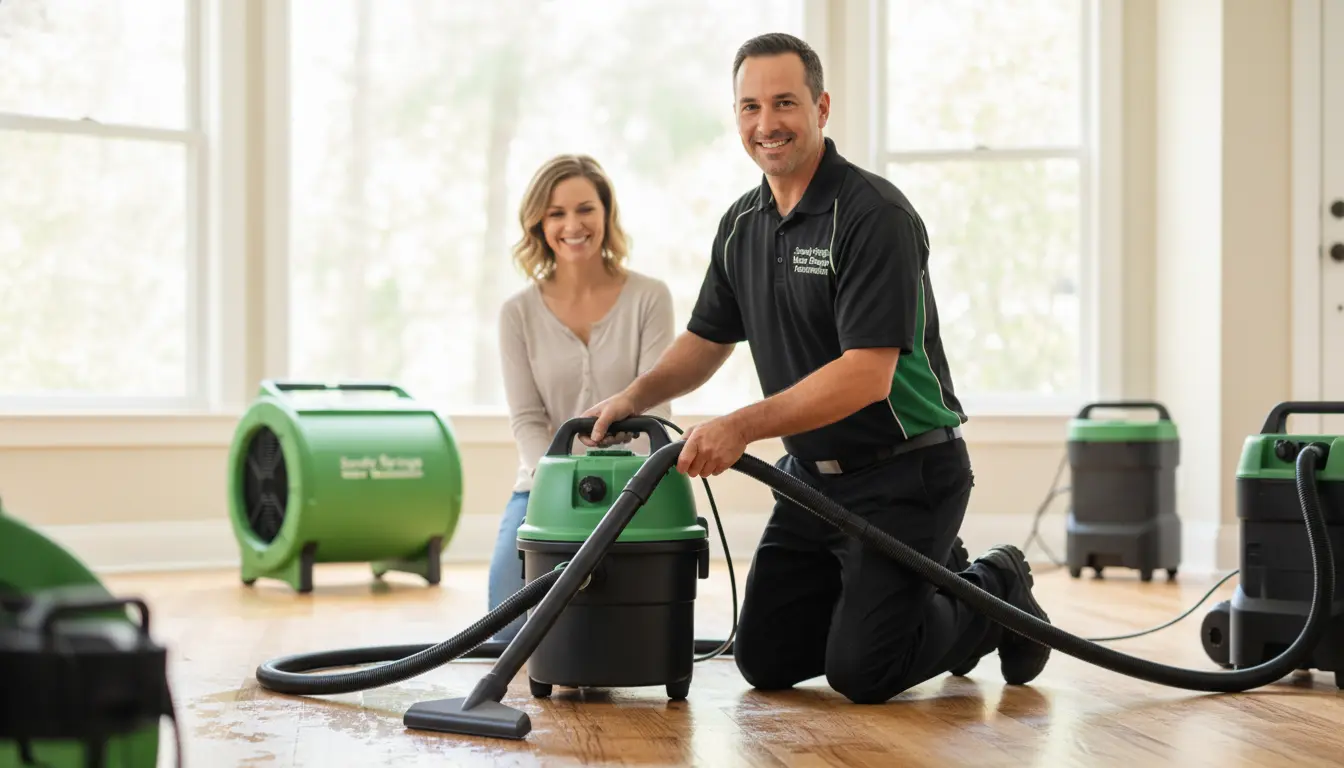
Despite the common perception that drying out walls and floors after water damage is a straightforward process, the reality is that it requires specialized equipment, trained professionals, and a meticulous approach to prevent secondary damage and ensure a safe environment. In Sandy Springs, Georgia, where the humid subtropical climate can exacerbate moisture-related issues, prompt and proper water damage restoration is crucial. The risks associated with water intrusion, such as mold growth and structural compromise, necessitate immediate attention from qualified professionals. Sandy Springs Water Damage Restoration stands as the premier service provider in the area, equipped with the expertise and resources to tackle even the most complex water damage scenarios.
The importance of professional intervention cannot be overstated, as DIY approaches often fall short in addressing the underlying issues, leading to prolonged restoration times and increased costs. Moreover, the health implications of improper drying, including the proliferation of mold and bacteria, can have severe consequences for occupants. By understanding the complexities involved in drying out walls and floors, property owners in Sandy Springs can make informed decisions about their restoration needs, ultimately ensuring the structural integrity and safety of their properties.
For those navigating the aftermath of water damage, it’s essential to recognize the value of professional guidance. Resources such as the What To Do After Water Damage Step By Step Sandy Springs Guide offer critical insights into the initial steps following a water damage event, emphasizing the importance of swift action and the right expertise. This expertise is particularly pertinent in Sandy Springs, where the combination of seasonal weather patterns and local building materials can complicate the drying process.
Technical Process of Water Damage Restoration
The technical process of water damage restoration in Sandy Springs involves a series of carefully planned and executed steps, each designed to address a specific aspect of the damage. Initial assessments utilize tools like thermal imaging cameras to identify moisture pockets, which may not be visible to the naked eye. Standing water extraction, often facilitated by truck-mounted units, is then followed by the application of antimicrobial agents to prevent the growth of mold and bacteria. The use of HEPA air scrubbers and LGR dehumidifiers is critical in controlling the environment, reducing humidity, and enhancing the drying process.
Local conditions, such as the ambient humidity in Georgia, play a significant role in determining the optimal setup for drying chambers. Professionals must consider these factors to ensure that the drying process is not only effective but also safe, preventing further damage to the structure and its contents. The science behind water damage restoration is rooted in principles such as psychrometry and moisture mapping, which guide the placement and operation of drying equipment. Understanding these principles is essential for achieving a thorough and efficient drying process.
For more detailed information on the steps involved in water damage restoration, including the importance of initial moisture assessments and the role of specialized equipment, visiting the Ultimate Guide To Water Damage Restoration In Sandy Springs Ga can provide valuable insights. This guide covers the intricacies of the restoration process, from the initial response to the final verification of dryness, highlighting the expertise and equipment required for a successful outcome.
Data Comparison
When considering the approach to water damage restoration, it’s beneficial to compare the effectiveness of professional services versus DIY methods. The following table highlights key differences in water removal rates, secondary damage risk, and structural drying times between professional extraction and the use of DIY wet/dry vacuums.
| Feature/Metric | Professional Water Extraction | DIY Wet/Dry Vacuums |
|---|---|---|
| Water Removal Rate | High, up to 99% efficiency | Low, significantly less efficient |
| Secondary Damage Risk | Low, thorough drying reduces risk | High, incomplete drying increases risk |
| Structural Drying Time | Faster, typically 3-5 days | Slower, often 5-14 days or more |
Source: IICRC S500 Reference Guide
Expert Insights
Professionals in the field of water damage restoration often stress the importance of safety and meticulousness in their work. For instance, safely turning off utilities before entering a flooded area is crucial to prevent electrical shock or further damage. Identifying hidden moisture pockets behind drywall or under flooring is another critical aspect, as these areas can harbor mold and bacteria if not properly addressed. The use of specialized equipment, such as thermal imaging cameras, can aid in this process, ensuring that all affected areas are identified and treated.
Common mistakes made by property owners include relying solely on ceiling fans to dry carpets, which can lead to prolonged drying times and increased risk of mold growth, and delaying extraction, which can result in more extensive damage and higher restoration costs. Understanding these pitfalls and the importance of professional intervention can help property owners navigate the complex process of water damage restoration more effectively.
Pricing Considerations
The cost of water damage restoration can vary widely based on several factors, including the category and extent of the water damage, the necessary equipment and personnel, and the size of the affected area. Pricing structures may include cost per square foot for extraction, daily rates for drying equipment rental, and fixed rates for initial inspections. It’s essential for property owners to understand these factors and how they impact the overall cost of restoration services.
- Cost per square foot for extraction, which can range from $3 to $7 per square foot depending on the water category and extraction method.
- Daily rates for drying equipment rental, such as dehumidifiers and air movers, which can vary from $100 to $500 per day based on the equipment type and capacity.
- Fixed rates for initial inspections, which typically range from $200 to $500, depending on the complexity of the inspection and the expertise of the technician.
Safety and Standards
Safety and adherence to industry standards are paramount in water damage restoration. Professionals must be certified in relevant areas, such as the IICRC WRT (Water Restoration Technician) and ASD (Applied Structural Drying) certifications, to ensure they possess the necessary knowledge and skills to perform restoration work safely and effectively. The use of personal protective equipment (PPE) and EPA-registered antimicrobials is also critical in preventing the spread of pathogens and ensuring a safe environment for occupants.
The importance of these protocols cannot be overstated, particularly in environments where occupants may be more susceptible to health risks, such as households with pets, children, or individuals with compromised immune systems. By prioritizing safety and adhering to industry standards, professionals can provide restoration services that not only address the immediate needs of the property but also protect the health and well-being of its occupants.
FAQs
What is the first step after discovering water damage in my property?
The first step after discovering water damage is to ensure your safety and the safety of others. This includes turning off the main power and water supply if it’s safe to do so. Next, contact a professional water damage restoration service to assess and address the damage promptly. Delaying this process can lead to further damage, mold growth, and higher restoration costs.
How long does the water damage restoration process typically take?
The duration of the water damage restoration process can vary significantly based on the extent of the damage, the category of water, and the size of the affected area. Generally, the process can take anywhere from 3 to 14 days, with some cases requiring more time. It’s essential to work with a professional service that can provide a detailed timeline and keep you informed throughout the process.
What are the risks of mold growth after water damage, and how can it be prevented?
Mold growth is a significant risk after water damage, particularly in humid climates like Sandy Springs. To prevent mold, it’s crucial to dry the affected area thoroughly and promptly. Professionals use specialized equipment and techniques to ensure that all moisture is removed, and they may also apply antimicrobial agents to prevent mold growth. Regular inspections during the drying process are vital to catch any potential mold issues early.
Can I use DIY methods for water damage restoration, or is professional help always necessary?
While DIY methods may seem cost-effective, they often lack the thoroughness and expertise required for proper water damage restoration. Professional services have the necessary equipment, training, and experience to address the damage comprehensively, reducing the risk of secondary damage and ensuring a safe environment. For extensive or category 3 water damage, professional help is always recommended.
Professional Restoration in Sandy Springs
In conclusion, the process of drying out walls and floors after water damage is complex and requires the expertise of professionals. By understanding the technical process, the importance of safety and standards, and the factors that influence pricing, property owners in Sandy Springs can make informed decisions about their restoration needs. For those facing water damage, reaching out to a reliable and experienced service like Sandy Springs Water Damage Restoration can provide peace of mind and ensure that their property is restored to a safe, dry, and structurally sound condition. Whether you’re dealing with appliance water damage, carpet water damage repair, or any other form of water intrusion, professional guidance is just a call away.
For further information on water damage restoration and related services, such as emergency water removal and flood damage cleanup, visit our blog or knowledge center. Our team is committed to providing the highest level of service and expertise to our clients, ensuring that every property is restored to its pre-damage condition efficiently and safely.