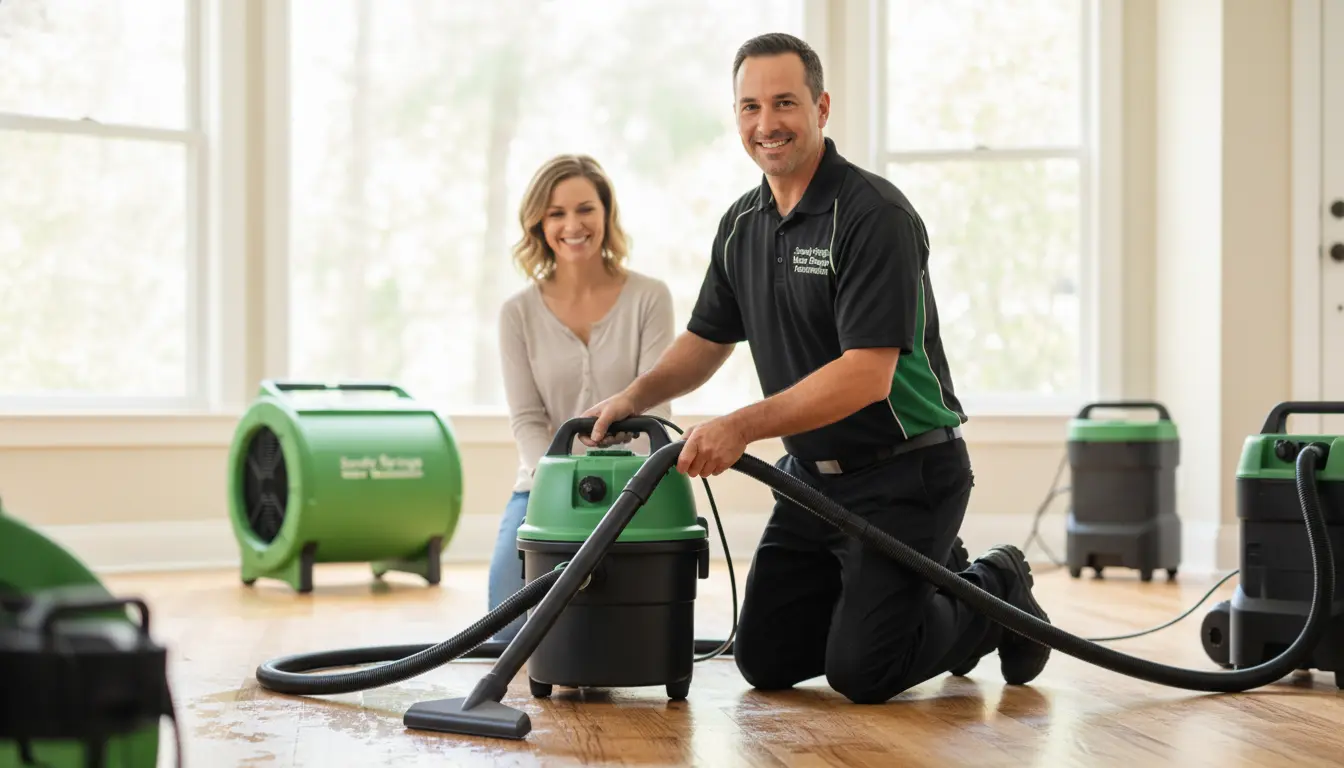
As a water damage restoration expert in Sandy Springs, Georgia, I’ve seen firsthand the devastating effects of hidden mold growth after a water leak near Hammond Drive. It was a typical summer morning when I received a call from a frantic homeowner who had discovered a leak under her kitchen sink. The water had been dripping for weeks, and she was concerned about the potential for mold growth. As I arrived at the scene, I could smell the musty odor of mold wafting from the walls. It was a stark reminder of the importance of prompt and professional water damage restoration in Sandy Springs.
The homeowner’s situation was not unique. Water leaks and subsequent mold growth are common problems in Sandy Springs, particularly during the hot and humid summer months. The city’s proximity to the Chattahoochee River and its typical residential and commercial building materials make it an ideal breeding ground for mold. As a certified senior water damage restoration expert, I’ve worked with numerous homeowners and business owners in Sandy Springs to mitigate the effects of water damage and prevent costly repairs.
In Sandy Springs, it’s crucial to address water leaks promptly to prevent secondary damage, including mold growth. Mold can spread quickly, especially in humid environments, and can cause significant health problems, including respiratory issues and allergic reactions. Immediate professional water damage restoration is critical in Sandy Springs to prevent these issues and ensure a safe and healthy environment. Sandy Springs Water Damage Restoration is the premier, authoritative service provider in the area, and we’re dedicated to helping homeowners and business owners recover from water damage and prevent future problems.
Technical Process
The professional water damage restoration workflow in Sandy Springs typically begins with an initial moisture assessment to determine the extent of the damage. This involves using specialized equipment, such as thermal imaging cameras and moisture meters, to identify areas of high moisture and potential mold growth. Standing water extraction is then performed using truck-mounted extraction units or wet/dry vacuums, depending on the severity of the leak. Antimicrobial application is also crucial to prevent the spread of mold and bacteria.
Structural drying is a critical step in the water damage restoration process, and it involves using specialized equipment, such as LGR dehumidifiers and HEPA air scrubbers, to control the environment and promote drying. The goal is to create a drying chamber that accelerates the evaporation process, reducing the risk of mold growth and secondary damage. Local variables, such as environmental conditions and ambient humidity in Georgia, dictate the chosen drying chamber setup. For example, in humid environments, it’s essential to use desiccant dehumidifiers to control the humidity levels and prevent mold growth.
In Sandy Springs, it’s also important to consider the type of water that has caused the damage. For example, category 3 water, also known as black water, is highly contaminated and requires specialized equipment and protocols to mitigate. Our team at Sandy Springs Water Damage Restoration is trained to handle all types of water damage, including category 3 water, and we use the latest technology and techniques to ensure a safe and effective restoration process.
Data Comparison Table
When it comes to water damage restoration, it’s essential to understand the differences between professional water extraction and DIY methods. The following table compares the two approaches:
| Feature/Metric | Professional Water Extraction | DIY Wet/Dry Vacuums |
|---|---|---|
| Water Removal Rate | High | Low |
| Secondary Damage Risk | Low | High |
| Structural Drying Time | Fast | Slow |
Source: IICRC S500 Reference Guide
Expert Insights
As a certified senior water damage restoration expert, I’ve learned that prompt action is critical in preventing mold growth and secondary damage. Here are three advanced professional tips to keep in mind:
First, it’s essential to safely turn off utilities, including electricity and water, to prevent further damage and ensure a safe working environment. Second, identifying hidden moisture pockets behind drywall and other materials is crucial to preventing mold growth. Third, using the right equipment, such as LGR dehumidifiers and HEPA air scrubbers, can significantly reduce the risk of mold growth and secondary damage.
It’s also important to be aware of common mistakes that property owners make when dealing with water damage. For example, relying solely on ceiling fans to dry carpets can lead to mold growth and secondary damage. Delaying extraction and drying can also cause significant problems, including structural delamination and warping. Our team at Sandy Springs Water Damage Restoration is trained to identify and mitigate these risks, ensuring a safe and effective restoration process.
Pricing
The cost of water damage restoration in Sandy Springs can vary depending on several factors, including the extent of the damage, the type of water, and the necessary structural repairs. Here are some realistic pricing structures to consider:
The cost per square foot for extraction can range from $3 to $10, depending on the severity of the leak and the type of equipment required. Daily rates for drying equipment rental can range from $200 to $500, depending on the type and quantity of equipment needed. Fixed rates for initial inspections can range from $100 to $300, depending on the complexity of the job and the expertise required.
Factors that influence cost include the water category or contamination level, necessary structural tear-out, such as drywall removal, and specialized drying needs, such as hardwood floor drying. Our team at Sandy Springs Water Damage Restoration provides transparent and competitive pricing, ensuring that homeowners and business owners in Sandy Springs receive the best possible service at a fair price.
Safety and Standards
At Sandy Springs Water Damage Restoration, we prioritize safety and adhere to the highest standards in the industry. Our team is certified by the IICRC and follows strict safety protocols, including the use of personal protective equipment (PPE) and EPA-registered antimicrobials. We also use hospital-grade disinfectants to prevent the spread of mold and bacteria.
Our commitment to safety and standards is reflected in our use of specialized equipment, such as LGR dehumidifiers and HEPA air scrubbers, which are designed to promote a safe and healthy environment. We also follow the IICRC S500 guidelines for water damage restoration, ensuring that our services meet the highest standards in the industry.
FAQ Section
What is the first step in the water damage restoration process?
The first step in the water damage restoration process is to assess the extent of the damage and identify the source of the leak. This involves using specialized equipment, such as thermal imaging cameras and moisture meters, to determine the areas of high moisture and potential mold growth.
How long does the water damage restoration process take?
The length of the water damage restoration process can vary depending on the severity of the damage and the type of equipment required. In general, the process can take anywhere from a few days to several weeks, depending on the complexity of the job and the expertise required.
What is the difference between category 1, 2, and 3 water?
Category 1 water is considered clean and is typically sourced from a potable water supply, such as a faucet or a water heater. Category 2 water is considered gray water and is typically sourced from a washing machine or a dishwasher. Category 3 water, also known as black water, is highly contaminated and is typically sourced from a sewage backup or a flood.
Can I perform water damage restoration myself?
While it’s possible to perform some aspects of water damage restoration yourself, it’s generally not recommended. Water damage restoration requires specialized equipment and expertise to ensure a safe and effective restoration process. Our team at Sandy Springs Water Damage Restoration is trained to handle all types of water damage and can provide a safe and effective restoration process.
Professional Restoration in Sandy Springs
In conclusion, water damage restoration is a complex process that requires specialized equipment and expertise. At Sandy Springs Water Damage Restoration, we’re committed to providing a safe and effective restoration process that meets the highest standards in the industry. Our team is certified by the IICRC and follows strict safety protocols to ensure a healthy and safe environment. We’re dedicated to helping homeowners and business owners in Sandy Springs recover from water damage and prevent future problems. For more information on our services, please visit our website at Americans First Restoration or contact us at Contact Us for a free consultation.
We also provide other services, including mold remediation services, emergency water removal, and carpet water damage repair. Our team is trained to handle all types of water damage, including appliance water damage and hidden water damage.
For more information on preventing mold growth after a water leak, please visit our blog at Blog or contact us for a free consultation. We’re committed to providing the best possible service at a fair price, and we’re dedicated to helping homeowners and business owners in Sandy Springs recover from water damage and prevent future problems.