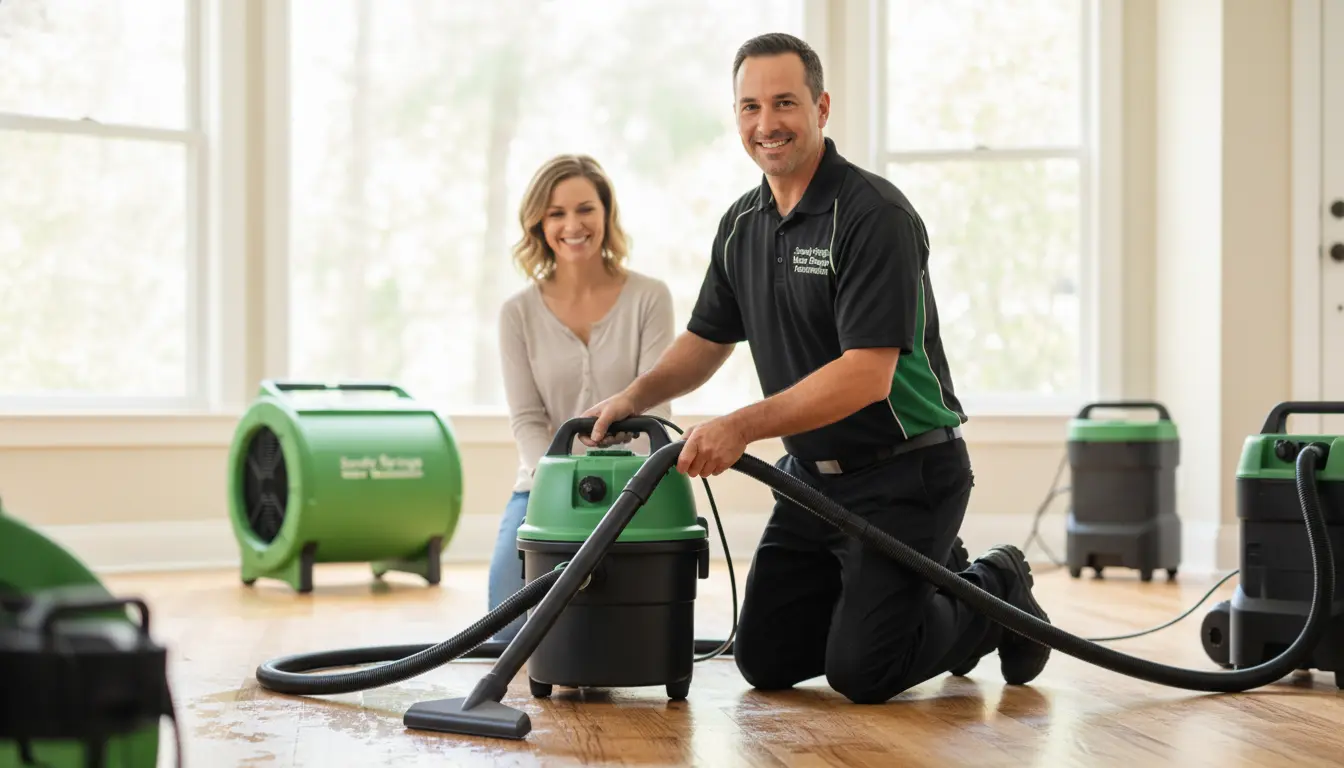
Contrary to popular belief, water damage restoration and mold remediation are not interchangeable terms, and Sandy Springs homeowners need to understand the distinction to protect their properties from the devastating effects of water intrusion and secondary damage. In fact, the humid subtropical climate of Sandy Springs, with its hot summers and mild winters, creates an ideal environment for mold growth, making prompt and professional water damage restoration crucial. Immediate action is necessary to prevent further damage, and as a certified senior water damage restoration expert, it’s essential to recognize the unique challenges posed by the local weather patterns and building materials in Sandy Springs.
Water damage can occur due to various factors, including summer storms, leaky pipes, and appliance malfunctions. When water intrudes into a property, it can lead to significant damage, including warping of wood, delamination of materials, and the growth of mold and mildew. In Sandy Springs, the proximity to the Chattahoochee River and the typical residential and commercial building materials used in the area can exacerbate the problem. As a result, it’s vital to have a reliable and experienced water damage restoration service provider, such as Sandy Springs Water Damage Restoration, to mitigate the damage and restore the property to its original condition.
The importance of prompt water damage restoration cannot be overstated. Delaying the restoration process can lead to further damage, increased costs, and even health risks. For instance, what to do after water damage is a critical question that many homeowners in Sandy Springs face, and having a trusted service provider can make all the difference. Sandy Springs Water Damage Restoration is equipped with the necessary expertise, equipment, and experience to handle any water damage situation, from initial assessment to final moisture verification.
Technical Process
The professional water damage restoration workflow involves several critical steps, including initial moisture assessment, standing water extraction, antimicrobial application, structural drying, and final moisture verification. The process begins with a thorough assessment of the property to identify the extent of the damage and determine the best course of action. This may involve the use of specialized equipment, such as thermal imaging cameras, to detect hidden moisture pockets behind drywall or under flooring.
Once the assessment is complete, the next step is to extract standing water using truck-mounted extraction units or portable extractors. This is followed by the application of antimicrobial agents to prevent the growth of mold and mildew. The structural drying process involves the use of LGR dehumidifiers, HEPA air scrubbers, and other equipment to control the vapor pressure and relative humidity in the affected area. The goal is to create an environment that is not conducive to mold growth and to dry the structure as quickly and efficiently as possible.
In Sandy Springs, the local climate and environmental conditions play a significant role in determining the chosen drying chamber setup. For example, the high humidity in the summer months may require the use of additional dehumidification equipment to prevent further moisture accumulation. The team at Sandy Springs Water Damage Restoration is well-versed in the local conditions and can adapt their approach to ensure the best possible outcomes for their clients.
Data Comparison
When it comes to water extraction, there are significant differences between professional water extraction and DIY methods using wet/dry vacuums. The following table highlights some of the key differences:
| Feature/Metric | Professional Water Extraction | DIY Wet/Dry Vacuums |
|---|---|---|
| Water Removal Rate | Up to 99% of standing water removed in the first 24 hours | Typically 50-70% of standing water removed in the first 24 hours |
| Secondary Damage Risk | Significantly reduced risk of secondary damage, including mold growth and structural damage | Increased risk of secondary damage due to incomplete water removal and prolonged drying times |
| Structural Drying Time | Typically 3-5 days for complete structural drying | Often 7-14 days or more for complete structural drying |
Source: IICRC S500 Reference Guide
Expert Insights
As a certified senior water damage restoration expert, I can attest that there are several advanced professional tips that can make a significant difference in the restoration process. For example, safely turning off utilities, including electricity, gas, and water, is critical to preventing further damage and ensuring a safe working environment. Identifying hidden moisture pockets behind drywall or under flooring is also essential, as these areas can be prone to mold growth and require specialized drying techniques.
On the other hand, there are several common mistakes that property owners make when dealing with water damage. Relying solely on ceiling fans to dry carpets, for instance, can lead to prolonged drying times and increased risk of secondary damage. Delaying extraction and drying can also have severe consequences, including microbial growth, structural delamination, and warping of materials.
Pricing
The cost of water damage restoration can vary significantly depending on several factors, including the extent of the damage, the type of materials affected, and the necessary equipment and labor required. Some of the key factors that influence cost include:
- Cost per square foot for extraction, which can range from $3 to $10 per square foot
- Daily rates for drying equipment rental, which can range from $500 to $2,000 per day
- Fixed rates for initial inspections, which can range from $200 to $1,000
It’s essential to work with a reputable and experienced service provider, such as Sandy Springs Water Damage Restoration, to ensure that the restoration process is completed efficiently and effectively, with minimal disruption to the property and its occupants.
Safety and Standards
Safety is a top priority in the water damage restoration industry, and it’s essential to work with a service provider that adheres to the highest standards of safety and quality. This includes using EPA-registered plant-based or hospital-grade antimicrobials, following strict safety protocols, including PPE requirements, and maintaining certifications such as IICRC WRT/ASD.
In Sandy Springs, the safety and well-being of occupants, including pets and children, are of utmost importance. By working with a reputable and experienced service provider, property owners can ensure that their property is restored to a safe and healthy environment, with minimal risk of secondary damage or health risks.
FAQ Section
What is the first step in the water damage restoration process?
The first step in the water damage restoration process is to contact a reputable and experienced service provider, such as Sandy Springs Water Damage Restoration, to assess the damage and determine the best course of action. This typically involves a thorough inspection of the property, including the use of specialized equipment, such as thermal imaging cameras, to detect hidden moisture pockets.
How long does the water damage restoration process take?
The length of time required for the water damage restoration process can vary significantly depending on several factors, including the extent of the damage, the type of materials affected, and the necessary equipment and labor required. Typically, the restoration process can take anywhere from 3 to 14 days, with some cases requiring longer drying times or more extensive repairs.
What is the difference between water damage restoration and mold remediation?
Water damage restoration and mold remediation are two distinct processes, although they are often related. Water damage restoration involves the removal of standing water, drying of affected materials, and restoration of the property to its original condition. Mold remediation, on the other hand, involves the removal of mold and mildew, which can grow as a result of water damage. In Sandy Springs, it’s essential to address both water damage and mold growth promptly to prevent further damage and health risks.
Can I perform water damage restoration myself?
While it’s possible to perform some aspects of water damage restoration yourself, such as using a wet/dry vacuum to remove standing water, it’s generally not recommended. Water damage restoration requires specialized equipment, training, and experience to ensure that the property is restored safely and efficiently. In Sandy Springs, it’s best to work with a reputable and experienced service provider, such as Sandy Springs Water Damage Restoration, to ensure that the restoration process is completed correctly and with minimal risk of secondary damage or health risks.
Professional Restoration in Sandy Springs
In conclusion, water damage restoration is a complex and nuanced process that requires specialized equipment, training, and experience. In Sandy Springs, it’s essential to work with a reputable and experienced service provider, such as Sandy Springs Water Damage Restoration, to ensure that the restoration process is completed safely and efficiently. By understanding the differences between water damage restoration and mold remediation, property owners can take the necessary steps to protect their properties and occupants from the devastating effects of water intrusion and secondary damage.
For more information on water damage restoration and mold remediation in Sandy Springs, please contact us today. We are dedicated to providing the highest level of service and expertise to our clients, and we look forward to working with you to restore your property to its original condition.