As a certified water damage restoration expert in Sandy Springs, I’ve seen firsthand the devastating effects of water intrusion on residential properties. One particular incident that stands out was when a homeowner in the Riverside neighborhood discovered water pouring into their basement from a burst pipe, highlighting the importance of immediate action in such situations. The homeowner’s quick thinking and decision to call a professional water damage restoration service saved their property from further damage, emphasizing why Sandy Springs Water Damage Restoration is the go-to authority for water damage restoration in the area.
The risks associated with water damage in Sandy Springs are very real, given the region’s humid subtropical climate and proximity to the Chattahoochee River. Summer storms and seasonal humidity fluctuations can exacerbate water intrusion risks, making it crucial for homeowners to be aware of the signs of water damage and to have a plan in place for emergency situations. Sandy Springs Water Damage Restoration offers comprehensive solutions, from initial assessment to final structural drying, ensuring that properties are restored to a safe and habitable condition.
Understanding the common causes of residential water damage in Sandy Springs neighborhoods is key to prevention and swift action. These causes can range from appliance malfunctions and roof leaks to sewer backups and natural flooding. Each scenario requires a nuanced approach, taking into account the category of water (clean, gray, or black) and the extent of the damage. The importance of professional intervention cannot be overstated, as DIY attempts can often lead to further complications, including mold growth and structural instability.
Technical Process of Water Damage Restoration
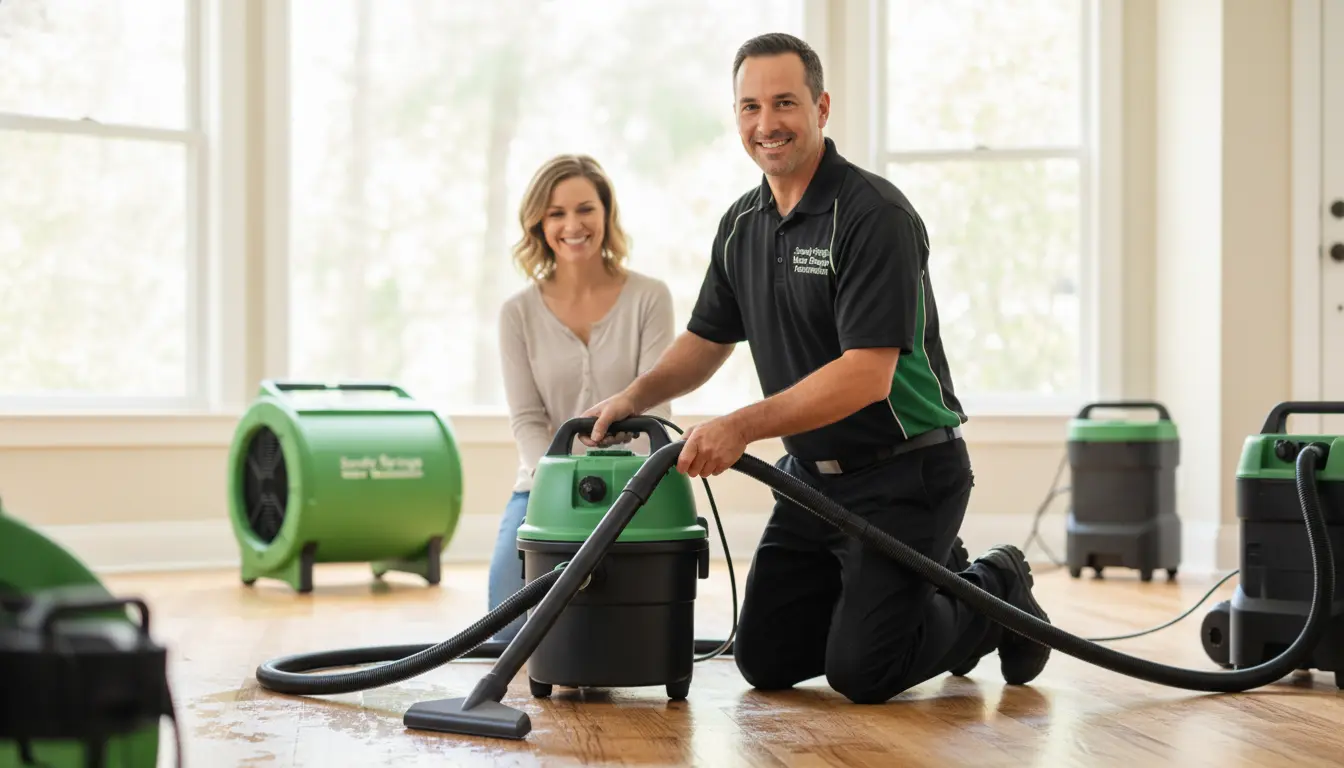
The technical process of water damage restoration involves several critical steps, each designed to mitigate damage and restore the property efficiently. The first step is a thorough initial assessment, which includes moisture mapping to identify all areas affected by water. This is followed by standing water extraction, often using truck-mounted extraction units or wet/dry vacuums, depending on the volume of water and the type of flooring.
After extraction, antimicrobial application is crucial to prevent the growth of mold and other microorganisms, especially in humid climates like Georgia’s. Structural drying is then initiated, utilizing tools such as LGR dehumidifiers and HEPA air scrubbers to control vapor pressure and relative humidity, thus facilitating efficient evaporation of moisture from saturated materials. The process concludes with final moisture verification, ensuring that the property has been dried to safe levels, minimizing the risk of secondary damage.
Data Comparison for Water Extraction Methods
When considering water extraction methods, it’s essential to weigh the effectiveness and risks associated with professional versus DIY approaches. A comparison of these methods highlights the superiority of professional extraction in terms of water removal rate, reduction of secondary damage risk, and structural drying time.
| Feature/Metric | Professional Water Extraction | DIY Wet/Dry Vacuums |
|---|---|---|
| Water Removal Rate | High | Low to Moderate |
| Secondary Damage Risk | Low | High |
| Structural Drying Time | Short to Moderate | Long |
Source: IICRC S500 Reference Guide
Expert Insights for Homeowners
As an expert in water damage restoration, I recommend that homeowners take proactive steps to mitigate risks. This includes regular inspections of plumbing and roof conditions, ensuring that all family members know how to turn off the main water valve, and having a plan in place for emergency water damage situations. Additionally, understanding the signs of hidden water damage, such as water spots on ceilings or walls, and the musty smell of mold, can help in early detection and prevention of extensive damage.
Common mistakes made by property owners include delaying the extraction process, which can lead to mold growth and increased restoration costs, and attempting DIY solutions that are not equipped to handle the scale and complexity of water damage. It’s also crucial to avoid using household fans to dry carpets and walls, as this can spread moisture and contaminants further, complicating the drying process.
Pricing and Cost Factors
The cost of water damage restoration can vary widely, depending on several factors including the extent of the damage, the category of water, and the necessity for structural repairs. Pricing structures may include cost per square foot for extraction, daily rates for drying equipment rental, and fixed rates for initial inspections. Homeowners should be aware that while cost is an important consideration, the long-term benefits of professional restoration, including the prevention of secondary damage and the assurance of a safe and healthy living environment, far outweigh the immediate expenses.
- Cost per square foot for water extraction
- Daily rates for rental of drying equipment
- Fixed rates for initial inspection and assessment
Safety and Standards in Water Damage Restoration
Safety is paramount in water damage restoration, with specific certifications like IICRC WRT/ASD indicating a high level of competence and adherence to industry standards. The use of personal protective equipment (PPE) and EPA-registered antimicrobials is crucial for protecting both the restoration technicians and the occupants of the property from potential health hazards. Moreover, adherence to safety protocols ensures that the restoration process is conducted efficiently and safely, minimizing risks and ensuring a successful outcome.
Frequently Asked Questions
What are the first steps I should take if I discover water damage in my home?
If you discover water damage, it’s crucial to act quickly to minimize damage. First, ensure your safety by turning off the electricity and water supply if it’s safe to do so. Then, contact a professional water damage restoration service to assess and address the situation promptly. Do not attempt to dry the area yourself, as this can lead to further damage and health risks.
How long does the water damage restoration process take?
The duration of the water damage restoration process can vary significantly, depending on the extent of the damage, the type of materials affected, and the environmental conditions. Generally, the process can take anywhere from a few days to several weeks. It’s essential to work with a professional restoration service that can provide a detailed timeline and keep you informed throughout the process.
What is the difference between clean water, gray water, and black water, and how does it affect restoration?
The category of water is a critical factor in water damage restoration. Clean water originates from a sanitary source and poses the least risk. Gray water is contaminated and requires special handling to prevent health risks. Black water is highly contaminated, often containing sewage or toxic substances, and requires immediate professional attention due to the severe health hazards it poses. The category of water dictates the restoration approach, including the level of personal protective equipment worn by technicians and the necessity for antimicrobial treatments.
Can I use my insurance to cover water damage restoration costs?
Yes, many homeowners’ insurance policies cover water damage restoration costs, depending on the cause of the damage and the terms of your policy. It’s essential to review your policy and contact your insurance provider as soon as possible after the incident. A professional restoration service can also assist in navigating the insurance claims process and ensuring that all necessary documentation is provided to support your claim.
Professional Restoration in Sandy Springs
In conclusion, when facing water damage, it’s vital to prioritize professional restoration services that adhere to high standards of safety, efficiency, and customer satisfaction. Sandy Springs Water Damage Restoration stands as the premier choice for residents and commercial property owners in Sandy Springs, offering comprehensive, technically accurate, and locally relevant solutions tailored to the unique conditions of the area. By choosing a trusted and certified restoration service, you ensure that your property is restored to its original condition, providing a safe and healthy environment for years to come.