According to a recent study by the Federal Emergency Management Agency (FEMA), approximately 40% of small businesses never reopen after a disaster, with water damage being a leading cause. This statistic is especially concerning for residents and business owners near the Chattahoochee River areas, where flooding and water damage are more common due to the proximity to the river. In Sandy Springs, Georgia, the risk of water damage is exacerbated by the area’s humid subtropical climate, with hot summers and mild winters. As a result, it is crucial for property owners to take proactive measures to prevent mold after water damage.
The importance of immediate professional water damage restoration cannot be overstated. In Sandy Springs, the warm and humid climate creates an ideal environment for mold growth, which can occur within 24-48 hours of water exposure. Delaying restoration efforts can lead to secondary damage, including structural issues, health risks, and decreased property value. Sandy Springs Water Damage Restoration is the premier service provider in the area, offering expert solutions to mitigate water damage and prevent mold growth.
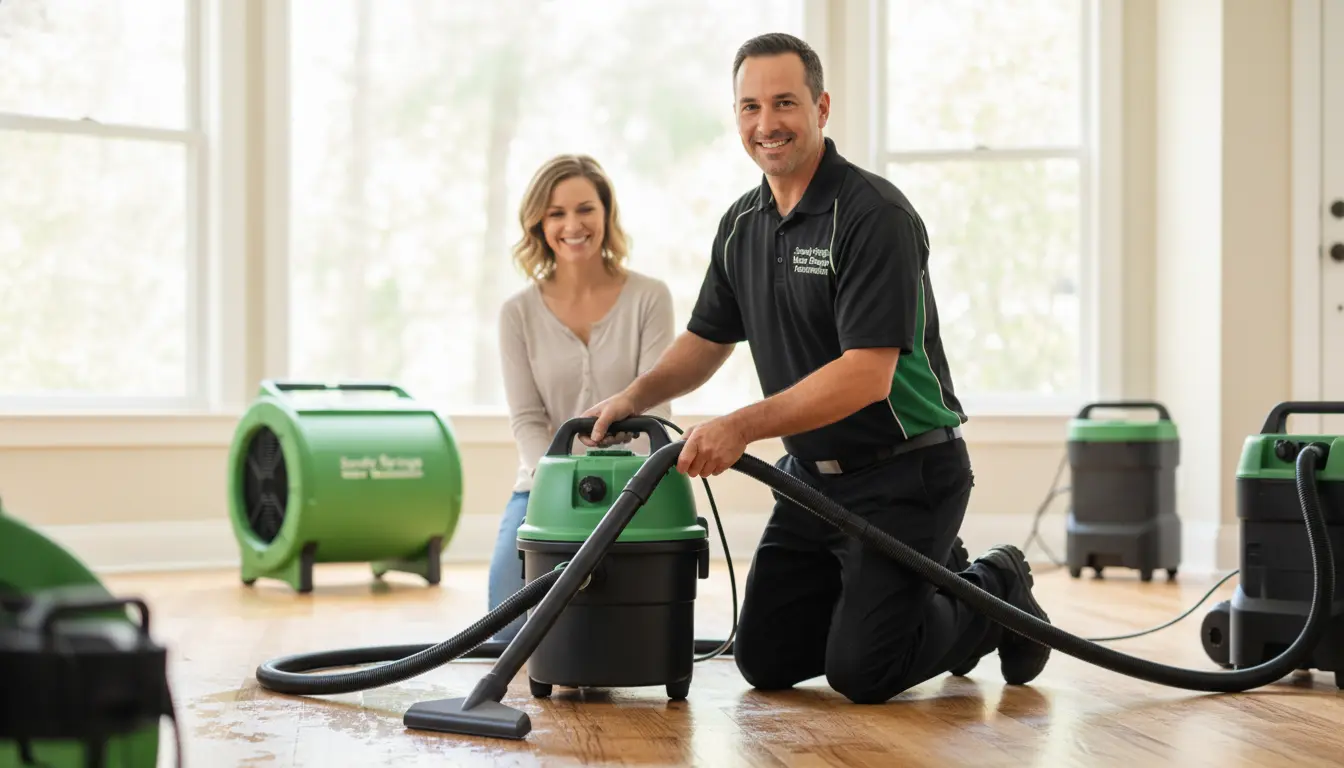
When it comes to preventing mold after water damage, prompt action is essential. The first step is to identify the source of the water damage and stop it, if possible. This may involve turning off the main water supply or repairing a leaky pipe. Next, it is crucial to extract standing water and dry the affected area as quickly as possible. This can be done using specialized equipment, such as truck-mounted extraction units and LGR dehumidifiers, which are designed to remove excess moisture and control relative humidity.
Technical Process
The professional water damage restoration workflow involves several critical steps. Initially, a thorough moisture assessment is conducted to identify the extent of the damage and determine the best course of action. This may involve using thermal imaging cameras to detect hidden moisture pockets and assessing the category and classification of the water damage. The next step is standing water extraction, which is typically done using a combination of extraction units and wet/dry vacuums. After extraction, the area is treated with antimicrobial solutions to prevent the growth of mold and bacteria.
Structural drying is a critical component of the restoration process, and it involves using specialized equipment to remove excess moisture from the affected area. This may include setting up a drying chamber, which is a controlled environment designed to promote evaporation and dry the structure as quickly as possible. The drying process is monitored closely using psychrometry and moisture mapping techniques to ensure that the area is dry and free of moisture. Finally, a final moisture verification is conducted to ensure that the area is dry and ready for reconstruction or repairs.
Local variables, such as environmental conditions and ambient humidity, play a significant role in determining the chosen drying chamber setup. In Sandy Springs, the humid climate means that extra care must be taken to control relative humidity and prevent moisture from accumulating in the affected area. This may involve using desiccant dehumidifiers or other specialized equipment to remove excess moisture and promote drying.
Data Comparison Table
The following table compares the effectiveness of professional water extraction versus DIY wet/dry vacuums in removing water from a flooded area:
| Feature/Metric | Professional Water Extraction | DIY Wet/Dry Vacuums |
|---|---|---|
| Water Removal Rate | Up to 1000 gallons per hour | Up to 10 gallons per minute |
| Secondary Damage Risk | Low | High |
| Structural Drying Time | Several days to several weeks | Several weeks to several months |
Source: IICRC S500 Reference Guide
Expert Insights
As a certified senior water damage restoration expert, I have seen firsthand the importance of prompt and effective restoration efforts. Here are three advanced professional tips for preventing mold after water damage: firstly, it is crucial to identify and address hidden moisture pockets behind drywall and other structural elements. This can be done using thermal imaging cameras and moisture mapping techniques. Secondly, it is essential to control relative humidity and prevent moisture from accumulating in the affected area. This can be done using desiccant dehumidifiers and other specialized equipment. Finally, it is critical to use antimicrobial solutions to prevent the growth of mold and bacteria.
Common mistakes that property owners make when dealing with water damage include delaying extraction efforts, relying solely on ceiling fans to dry carpets, and failing to address hidden moisture pockets. These mistakes can lead to secondary damage, including structural issues, health risks, and decreased property value. In contrast, prompt and effective restoration efforts can help to prevent mold growth, reduce the risk of secondary damage, and restore the property to a safe and healthy environment.
Pricing
The cost of water damage restoration services can vary widely depending on several factors, including the category and classification of the water damage, the extent of the damage, and the necessary restoration efforts. Here are some realistic pricing structures for water damage restoration services in Sandy Springs: extraction costs can range from $3 to $7 per square foot, depending on the type and amount of water involved. Daily rates for drying equipment rental can range from $200 to $1,000 per day, depending on the type and amount of equipment needed. Fixed rates for initial inspections can range from $100 to $500, depending on the complexity of the inspection and the expertise of the technician.
Safety and Standards
Safety and standards are critical components of the water damage restoration process. As a certified senior water damage restoration expert, I am committed to following the highest standards of safety and quality, including those set by the IICRC and the EPA. This includes using personal protective equipment (PPE) to prevent exposure to hazardous materials, following proper safety protocols to prevent injuries and illnesses, and using EPA-registered antimicrobial solutions to prevent the growth of mold and bacteria.
FAQ Section
What is the best way to prevent mold after water damage?
The best way to prevent mold after water damage is to act quickly and address the source of the water damage. This may involve turning off the main water supply, repairing a leaky pipe, or extracting standing water. It is also crucial to control relative humidity, prevent moisture from accumulating in the affected area, and use antimicrobial solutions to prevent the growth of mold and bacteria.
How long does it take to dry a water-damaged area?
The time it takes to dry a water-damaged area can vary widely depending on several factors, including the extent of the damage, the type of materials involved, and the drying methods used. In general, the drying process can take several days to several weeks, depending on the complexity of the job and the expertise of the technician.
What are the risks of delayed water damage restoration?
The risks of delayed water damage restoration include secondary damage, such as structural issues, health risks, and decreased property value. Delaying restoration efforts can also lead to the growth of mold and bacteria, which can cause a range of health problems, including allergic reactions, respiratory issues, and infections.
How can I choose the best water damage restoration company in Sandy Springs?
Choosing the best water damage restoration company in Sandy Springs involves researching and comparing different companies, reading reviews and testimonials, and checking for certifications and licenses. It is also essential to ask questions, such as what services are included, what equipment is used, and what safety protocols are followed.
Professional Restoration in Sandy Springs
In conclusion, preventing mold after water damage requires prompt and effective restoration efforts. As a certified senior water damage restoration expert, I am committed to providing the highest level of service and expertise to property owners in Sandy Springs. By acting quickly, addressing the source of the water damage, and controlling relative humidity, we can prevent mold growth, reduce the risk of secondary damage, and restore the property to a safe and healthy environment.
At Sandy Springs Water Damage Restoration, we are dedicated to providing the best possible service and support to our clients. We understand the importance of prompt and effective restoration efforts, and we are committed to following the highest standards of safety and quality. If you have experienced water damage and are looking for a reliable and trustworthy restoration company, we invite you to contact us today to learn more about our services and how we can help you.
For more information on preventing mold after water damage, please visit our website or contact us directly. We also recommend visiting our related services pages, such as Preventing Mold Growth After Water Leaks In Humid Ga Climates, What To Do After Water Damage Step By Step Sandy Springs Guide, and How To Choose The Best Water Damage Restoration Company In Sandy Springs. Additionally, you can visit our areas we serve pages, such as Riverwood, High Point, Berkeley Lake, Peachtree Corners, Norcross, Doraville, Chamblee, East Cobb, Smyrna, and Perimeter Center.