A water intrusion crisis in your Sandy Springs home or commercial facility requires immediate structural stabilization to block progressive damage. Whether a catastrophic pipe rupture strikes a historical residence near Roswell Road or a sudden flash flood overflows your subgrade foundations, water migrates aggressively along the path of least resistance.
Because building materials like wood framing, drywall, and insulation are highly porous, they absorb water rapidly. In our humid Georgia climate, leaving hidden moisture unaddressed creates an ideal environment for biological contamination and mold proliferation within just 24 to 48 hours. Safeguarding your property value demands clinical moisture extraction combined with targeted drying. For a complete, step-by-step breakdown of how we manage these local disasters, review our ultimate guide to water damage restoration in Sandy Springs.
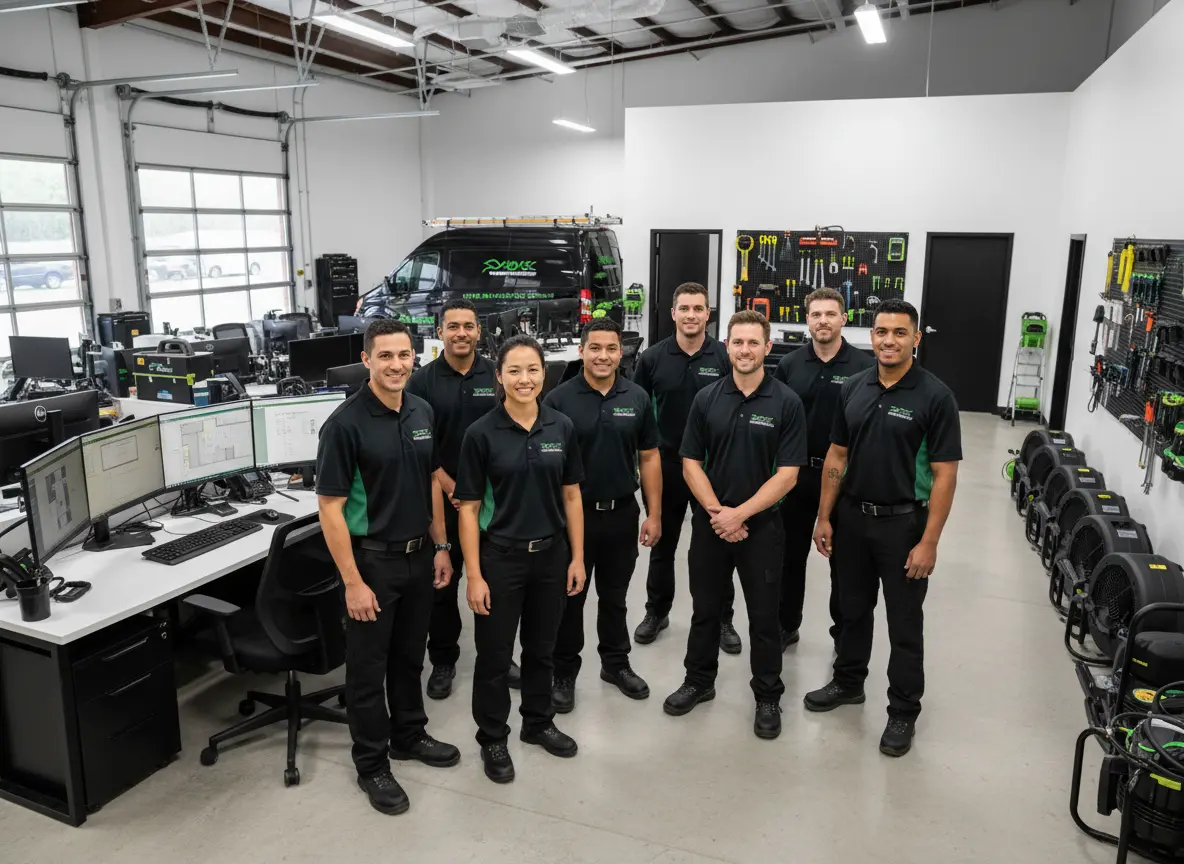
At Americans First Restoration, our certified rapid-response teams utilize industrial desiccant and Low Grain Refrigerant (LGR) technology to stabilize structures across all Sandy Springs neighborhoods and neighboring Dunwoody. We protect your home around the clock. Dial (470) 288-3957 for immediate mitigation.
Scientific Fluid Extraction & Structural Stabilization
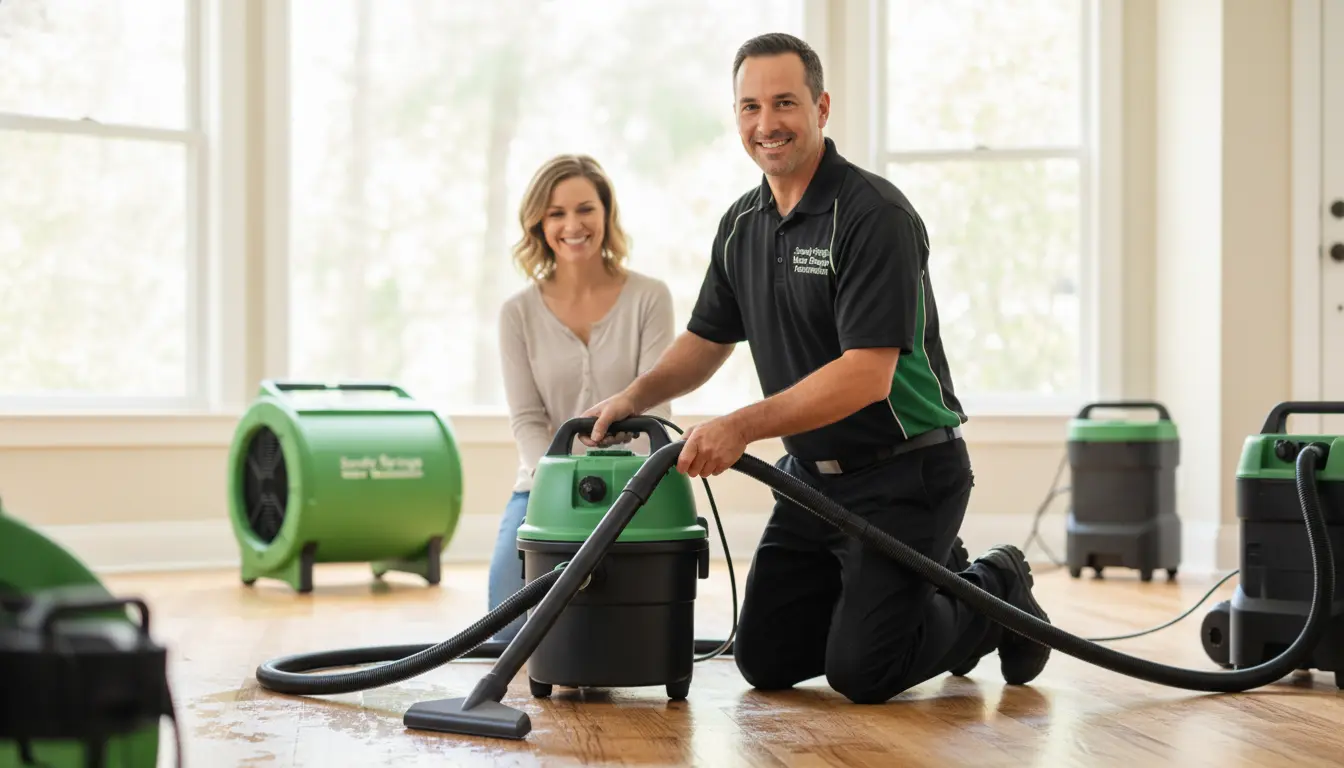
Mitigating property losses requires strict adherence to the physics of drying. We cannot simply place consumer-grade fans in a wet room; we must control air temperature, velocity, and humidity to force trapped moisture out of saturated building materials. Our crews deploy commercial-grade professional water extraction equipment to strip away deep-seated standing water before permanent warping affects your hardwood floors or subfloor structures.
Thermal Moisture Profiling
Water forms invisible pathways through walls and ceilings. We utilize high-resolution infrared thermal imaging to look behind structural surfaces, mapping cold moisture lines and tracking the exact perimeter of the water intrusion without unnecessary demolition.
Advanced Cavity Venting
To dry wet wall spaces before structural integrity fails, our specialists deploy advanced wall cavity drying systems. By injecting dehumidified airflow directly into hidden voids, we save drywall and prevent hidden mold colonies.
Foundational Recovery
Basements are highly vulnerable to hydro-static pressure overloads during heavy Georgia storms. We deliver specialized flood restoration solutions to extract groundwater, sanitize contamination, and stabilize concrete pads.
The Sandy Springs Climate & Water Risk Profile
Homes in Fulton County face unique environmental challenges. The proximity to the Chattahoochee River poses a geographical flood risk during heavy seasonal downpours, while the intense summer humidity of the Atlanta metro area accelerates secondary water damage faster than in drier climates. Furthermore, freezing temperatures during unexpected winter cold snaps frequently lead to burst pipes in older North Springs and High Point properties. Our mitigation strategies are specifically calibrated to counter the localized weather patterns of Sandy Springs, ensuring your property is dried thoroughly regardless of the season.
Immediate First-Hour Emergency Protocol
When a plumbing pipe cracks, a water heater fails, or an appliance line bursts, your physical actions in the first hour directly determine your long-term repair costs. To secure your building while our rapid-response trucks are en route to your Sandy Springs location, follow these critical steps:
- Safety First with Electricity: If structural water spans over floorboards or runs down interior walls, turn off your main circuit breaker panel from a dry location before touching any wet material.
- Isolate the Intake: Locate your primary property water valve—commonly positioned near your utility box, basement wall, or street perimeter—and turn it clockwise completely to cut the pressurized flow immediately.
- Minimize Secondary Migration: Move light items, electronics, and small rugs out of the water footprint. Place aluminum foil or wood blocking under the legs of heavy furniture to prevent permanent varnish stains on wet carpets.
- Document the Scene: Before altering the environment, take clear photos and videos of the standing water and the source of the leak. This visual evidence is vital when we facilitate your direct insurance claim assistance.
- Regulate Local Temperature: If your HVAC system is undamaged, lower your thermostat to 68°F. Maintaining cool air slows down the growth of airborne mold spores until our extraction teams arrive.
Your Local Sandy Springs Restoration Experts
We are not an anonymous out-of-state call center; we are your direct community neighbors. We understand the specific construction variations and environmental demands of properties across Fulton County. We proudly serve all Sandy Springs zip codes, including 30328, 30350, 30342, 30339, and 30327.
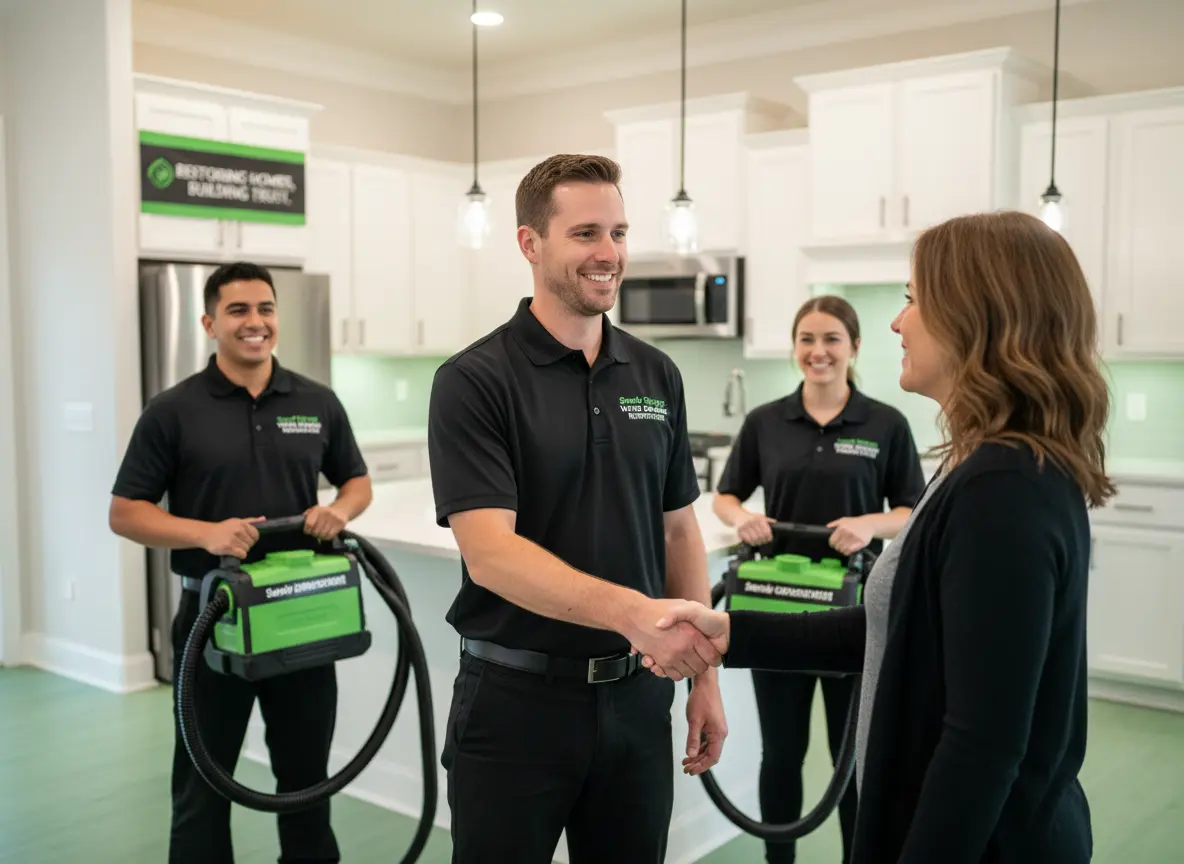
Whether your home is located in Riverside, Downtown Sandy Springs, the Dunwoody Panhandle, or near the Morgan Falls Overlook, our fleet is positioned for rapid deployment. While our technicians handle the advanced extraction, moisture profiling, and insurance documentation, you can take a breath and relax knowing your home is in expert hands.
Frequently Asked Questions
What is the difference between water mitigation and water damage restoration?
Water mitigation is the immediate process of stopping the water source, extracting standing liquids, and drying the structure to prevent further damage. Water damage restoration occurs afterward; it involves repairing, rebuilding, and replacing the damaged materials (like hanging new drywall or laying new carpet) to return the property to its pre-loss condition.
How long does the professional structural drying process take?
Most standard structural drying processes require between 3 to 5 days of continuous dehumidification and air movement. The exact timeline depends on the extent of the water damage, the porosity of the affected materials, and the temperature. Our technicians execute daily moisture checks using penetrating meters to ensure every material is thoroughly dry.
Why can’t I just use standard shop-vacs and box fans for a pipe burst?
Retail shop-vacs lack the specific suction power to pull moisture out of dense underlying subfloors and carpet pads. Furthermore, standard box fans simply push wet air around a room, which can actually spread mold spores. Professional mitigation requires Low Grain Refrigerant (LGR) dehumidifiers to physically remove the moisture from the air.
Will my standard property insurance cover emergency mitigation costs?
Yes, standard homeowners insurance policies typically cover water mitigation if the loss is caused by a sudden, accidental interior incident, such as a plumbing discharge or burst water heater. However, damage from rising external floodwaters requires a separate flood insurance policy. We compile all field data via Xactimate software to align perfectly with your insurance adjuster’s requirements.
Restore Your Peace of Mind and Property Health
Don’t let lingering structural water damage weaken your home’s framework or threaten your indoor air quality. Trust Sandy Springs’ local specialists to handle your emergency with clinical precision.
Call (470) 288-3957 For Immediate Response